 Bradenton Siding
 Two Fiber Cement Brands, One Contractor's Choice
When homeowners in Bradenton start researching siding replacement, they often find two fiber cement brands competing for the same slot on the shelf: James Hardie and Allura. Both are cement-based composite siding products, both are marketed as durable alternatives to wood and vinyl, and both will outlast a lot of what's currently on Manatee County homes. So why does our crew only install one of them?
This page isn't a takedown of Allura. It's a straightforward explanation of the manufacturing history, warranty structure, and market realities that led us to standardize on James Hardie for every siding job we take on, from a small gable re-side to a full exterior wrap. We think homeowners deserve to see that reasoning laid out plainly rather than just being told "trust us."
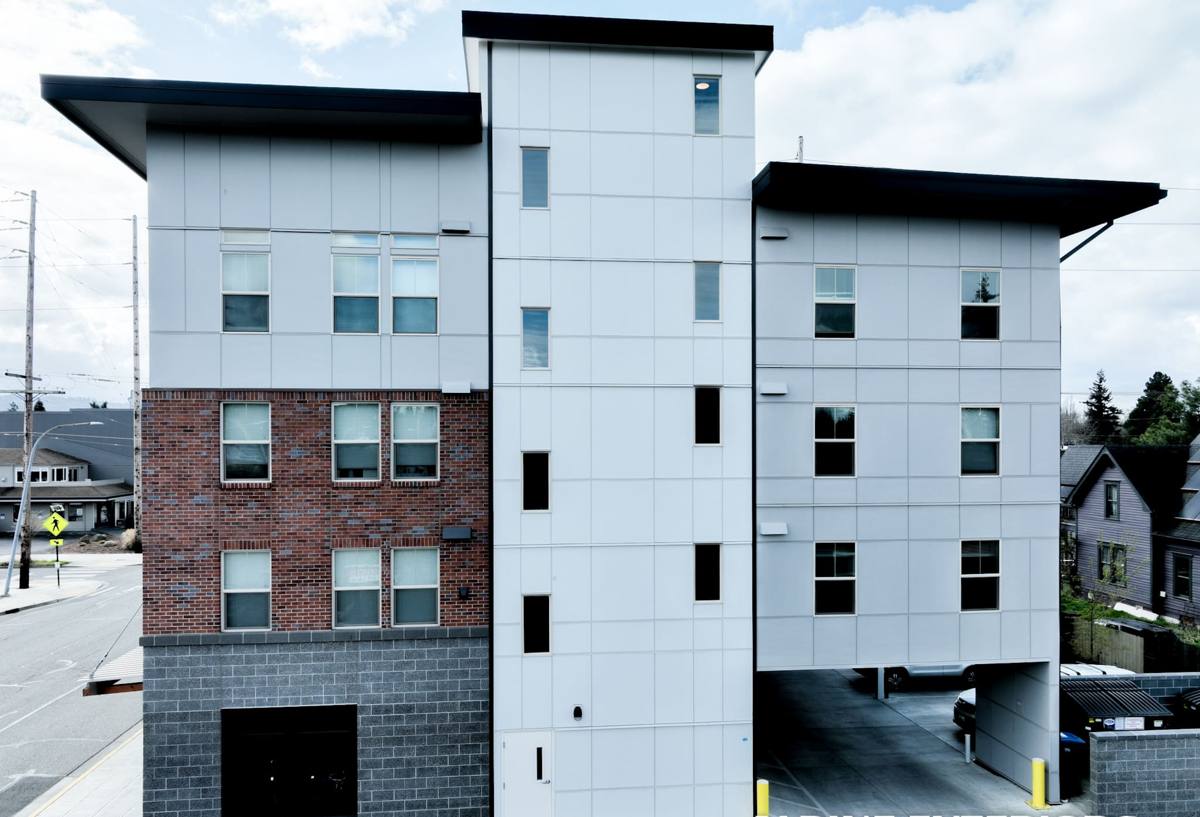
What Allura Fiber Cement Actually Is
Allura fiber cement siding is a legitimate building product. It's manufactured from a mix of Portland cement, cellulose fiber, and sand, pressed and cured much like other fiber cement products on the market. Allura offers lap siding, panels, and trim in various profiles, and the company has worked to build out a factory-finish color program to compete with the rest of the category.
Where things get more complicated is brand history. Allura's fiber cement products trace back to manufacturing operations that changed ownership and branding more than once over the past two decades, including a period tied to the Maxitile and Certainteed fiber cement lines before the Allura name consolidated the business. That's not disqualifying on its own — plenty of solid building products have changed hands. But it does mean the brand's track record, warranty servicing history, and long-term parts/color availability are shorter and less consistent than a manufacturer that has run one continuous fiber cement operation under one name for the entire time.
Why That History Matters to Us
Fiber cement siding is a 30-to-50-year investment. When we tell a Bradenton homeowner what to expect from their siding two decades from now — color match on a repair, warranty claim process, whether the exact profile will still be in production — we want to be backing that up with a manufacturer whose corporate and product history gives us real confidence in the answer, not a best guess.
Where Our Standard Comes From
We made the decision to install James Hardie exclusively after weighing installation experience, warranty terms, and the practical differences that show up on a jobsite in a coastal Gulf Coast climate — not from a manufacturer scorecard or rebate program. Here's the comparison as we see it.
| Factor | James Hardie | Allura |
|---|---|---|
| Manufacturing history | Single continuous fiber cement manufacturer since the 1980s | Product line consolidated from multiple prior brands/owners |
| Climate-specific engineering | HZ5 product line engineered for high-humidity, high-moisture regions like Florida | General fiber cement formulation, not regionally differentiated in the same way |
| Factory finish system | ColorPlus baked-on finish with a dedicated finish warranty | Factory-primed and factory-finish options available, warranty terms vary by product |
| Contractor network depth | Large, well-established network of Hardie-trained installers and standardized install specs | Smaller installer base regionally, less standardized training presence |
| Warranty transferability | Non-prorated, transferable warranty widely documented and understood by inspectors/appraisers | Warranty exists but is less commonly encountered by local inspectors and resale appraisers |
None of this means Allura siding will fail on a house. It means that when we're the ones putting our name behind an install, we want the manufacturer, the warranty, and the finish system to have the deepest track record available — and for us, that's Hardie.
The Real-World Trade-Offs We Weigh
Color Match and Repairs Down the Road
Every fiber cement siding job eventually needs a repair — a lawn mower kickback, a ladder scuff, storm debris. When that happens five or ten years after installation, the question is whether we can source an exact color and profile match. Hardie's ColorPlus program and long production run give us more confidence that a 2036 repair will blend into a 2026 install. With any brand that has changed formulations or ownership, that confidence drops.
Warranty Claims in Practice
A warranty is only as good as the process behind it. We've built relationships with Hardie's warranty and technical support channels over years of installs. When a claim needs to be filed, we know exactly who to call and what documentation is required. That institutional relationship doesn't transfer to a different manufacturer just because the product category is similar.
Installer Familiarity
Fiber cement siding is unforgiving of installation mistakes — improper fastening, missed clearances, and incorrect flashing details cause far more real-world problems than the base material itself. Hardie's widespread contractor training and published install specs mean fewer ambiguous judgment calls on the jobsite. A less common brand means more improvisation, and improvisation is where callbacks come from.
Why This Matters More in Bradenton
Manatee County siding takes a harder beating than most of the country. Hurricane-force wind events are a real annual risk, not a hypothetical. UV exposure here runs near the top of the scale for the continental U.S., which accelerates fading and finish breakdown on any painted or coated exterior product. Add wind-driven rain during tropical systems and the salt air rolling in off Sarasota Bay and the Gulf, and you have a climate that will find every weak point in a siding system — the seams, the fastener pattern, the finish coat — faster than it would in a drier, calmer region.
In that environment, the margin for "close enough" installation and "similar enough" product engineering gets thin. Hardie's HZ5 line is specifically formulated for high-moisture, humid climates, which is a meaningfully different design target than a general-purpose fiber cement product. When wind-driven rain is testing your siding's water management twice a year and salt air is testing your fasteners and finish continuously, we want every variable in our favor.
What We're Not Saying
We're not going to tell you Allura siding is defective or that it will fail on your house. Fiber cement as a category is a sound choice, and Allura is a real fiber cement product with real customers who are satisfied. What we're telling you is why our company, specifically, chose not to install it: the combined weight of manufacturing history, climate-specific product engineering, local installer network depth, and warranty track record tipped clearly toward Hardie for the way we run our business and the promises we're willing to stand behind.
If another contractor has a strong track record with Allura and stands behind their own work with it, that's a legitimate choice for them to make and for you to weigh. We just won't be the ones installing it.
What We Install Instead
James Hardie's HZ5 product line was engineered specifically for high-humidity, high-moisture climates like ours — the exact combination of heat, rain, and humidity Manatee County sees most of the year. The ColorPlus factory finish process bakes color onto the board before it ever reaches your house, which reduces on-site painting variability and gives you a documented finish warranty separate from the substrate warranty. Combined with a non-prorated, transferable product warranty, it's a system we can explain clearly, service reliably, and stand behind for the life of the product.
Correct installation still matters more than brand selection alone. Proper fastener spacing, correct clearances from grade and roofline, and correctly lapped and sealed joints are what actually keep water out of a wall assembly — no siding brand overcomes a rushed or incorrect install. That's why we train to Hardie's published specifications on every job rather than treating fiber cement installation as generic carpentry.
Questions Worth Asking Any Siding Contractor
- What fiber cement brand do you install, and why did you choose it over the alternatives?
- Can you show me the manufacturer's published installation specifications for fastener spacing and clearances?
- Is the warranty transferable if I sell the home, and is it prorated or non-prorated?
- How is color matched for future repairs, and how long has this product line been in continuous production?
- What's your plan for flashing and water management around windows, doors, and roof lines?
- Are you factory-trained or certified on the specific product line you're proposing?
Making the Decision for Your Home
If you're comparing fiber cement brands for a Bradenton home, the honest answer is that the material category itself — cement, cellulose fiber, and sand, cured into a rigid board — behaves similarly across brands in a lab setting. The differences that matter over 20-30 years show up in finish durability, warranty servicing, installer training depth, and how well the specific product line is engineered for your climate. That's the lens we used to make our decision, and it's the lens we'd encourage any homeowner to use, regardless of which contractor they hire.
If you'd like to talk through what a Hardie install would look like for your home — the product lines, colors, and what correct installation involves for your specific house — we're happy to walk through it with you. Reach out for a free, no-pressure estimate, and we'll give you a straight answer on what your home needs.