 Bradenton Siding
 Parrish Is Growing Fast — Its Exteriors Need to Keep Up
Parrish has become one of the fastest-changing communities in Manatee County, with new subdivisions filling in alongside older rural and riverside properties along the Manatee River corridor. That mix means we see everything here: brand-new construction with builder-grade siding already showing its age, older homes with wood or vinyl exteriors that were never built for Florida's climate, and everything in between. Whatever the age of the house, the exterior has to survive the same environment — and in Parrish, that environment is not gentle.
As a local siding, roofing, window, and deck contractor serving Bradenton and the surrounding Manatee County area, we've replaced enough failed exteriors in this region to know exactly what causes them to fail. This page is about what Parrish homes are up against, and how we build exteriors that actually hold up to it.
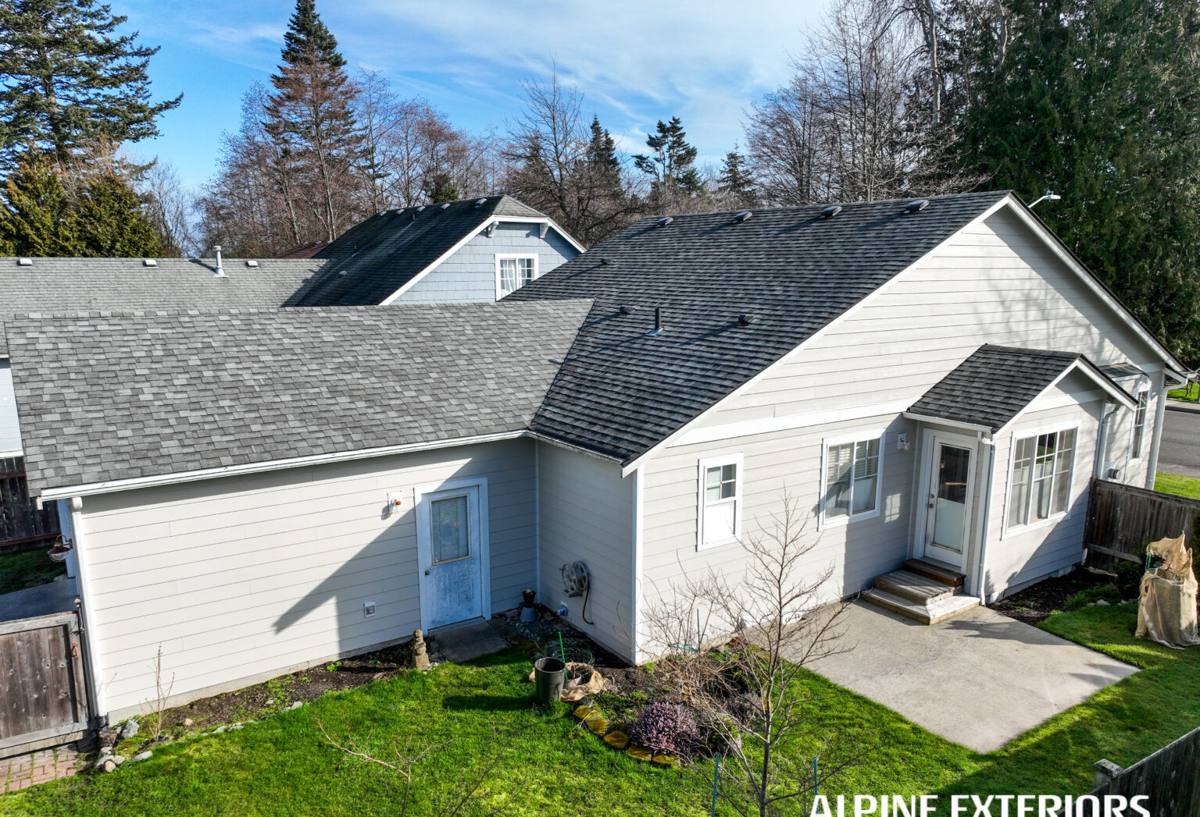
What Manatee County Weather Actually Does to a House
It's easy to think of Florida weather as "hot and rainy" and leave it there, but the specific combination of forces at work on a Parrish home is more demanding than that:
Hurricane-Force Wind
Parrish sits inland from Tampa Bay, but it's still well within reach of tropical systems that bring sustained high winds and gusts capable of tearing loose fascia, lifting shingles, and pulling improperly fastened siding panels off the wall. Wind doesn't just push — it creates negative pressure (suction) on the leeward side of a house, which is often what actually rips exterior materials free.
Wind-Driven Rain
Rain that falls straight down is manageable. Rain that's being driven sideways at 40-60 mph finds every gap, seam, and fastener hole in a building envelope. This is the single biggest reason exterior systems fail from the inside out — moisture gets behind the cladding, and then the real damage (rot, mold, sheathing failure) happens where nobody can see it until it's expensive.
Intense, Year-Round UV
Florida doesn't get a UV "off season." Twelve months a year, sun exposure breaks down pigments, dries out caulk and sealants, and causes paint to chalk and fade. Materials that rely on field-applied paint are fighting a losing battle against UV from day one.
Salt Air
Parrish isn't beachfront, but Manatee County's proximity to Tampa Bay and the Gulf means salt-laden air travels further inland than most homeowners assume, especially during onshore wind events. Salt accelerates corrosion of fasteners, hardware, and any metal components in a siding or window system.
Individually, any one of these is manageable. Combined — wind loosening seams that rain then exploits, UV weakening the materials meant to resist both, salt corroding the fasteners holding it all together — they're why so many exteriors in this part of Florida underperform their expected lifespan.
Why We Install Only James Hardie Fiber Cement Siding
We get asked fairly often why we don't offer vinyl, LP SmartSide, or other engineered wood products as options. The honest answer is that we made a standard for ourselves based on what actually holds up in this climate, and we'd rather do one thing right than offer a menu of products we don't fully stand behind.
Vinyl siding is affordable and easy to install, but it's a thin plastic product that can soften, warp, or crack under sustained high heat and direct sun, and in a wind event it's more prone to detachment than a heavier, mechanically fastened material. Engineered wood siding products have improved over the decades, but they're still wood-based at the core, which means they're vulnerable to moisture intrusion at cut edges, seams, and fastener penetrations if the installation isn't flawless and the caulking isn't maintained.
James Hardie fiber cement is a different category of material. It's composed of cement, sand, and cellulose fibers — non-combustible, dimensionally stable, and engineered specifically to resist the freeze-thaw isn't the issue here, but heat-and-moisture cycling that defines a Gulf Coast climate. It doesn't rot, it doesn't attract termites, and its factory-applied ColorPlus finish is baked on and warranted separately from the substrate, which matters enormously in a place where UV exposure never lets up.
That's the whole reason we standardized on it. We're not against other products existing — we're saying that for a Manatee County exterior, this is the one we're willing to put our name behind.
James Hardie Product Lines We Install
James Hardie engineers its products by climate zone, and Parrish falls within the HZ5 zone, which accounts for humidity, moisture cycling, and pest pressure specific to the Gulf Coast and Southeast. The right product line depends on the look and budget of the project.
| Product Line | What It's Good For | Typical Look |
|---|---|---|
| HardiePlank Lap Siding | Whole-home siding replacement, the most common choice for Parrish homes | Traditional horizontal lap, smooth or cedar-textured |
| HardiePanel Vertical Siding | Accent walls, gables, modern or Florida vernacular styles | Clean vertical panels, often paired with board-and-batten trim |
| HardieShingle | Accent areas, gable ends, coastal or cottage-style homes | Staggered or straight-edge shingle profile |
| HardieTrim | Fascia, corner boards, window and door trim | Crisp, paintable trim that won't rot like wood trim |
All of these come pre-finished with James Hardie's ColorPlus Technology, a factory-baked finish that resists fading far better than field-applied paint and carries its own dedicated warranty coverage — a meaningful difference in a market with as much year-round sun exposure as Manatee County.
Roofing, Windows, and Decks: The Rest of the Envelope
Siding is only one piece of how a house handles wind, rain, and sun. We work on the full exterior because these systems interact with each other — a great siding job can still let water in if the roof-to-wall flashing is wrong, or if window openings weren't properly integrated with the water-resistive barrier.
Roofing
Roof coverings and underlayment take the most direct hit from wind uplift and driving rain in a storm. Proper fastening patterns, underlayment selection, and edge detailing matter as much as the shingle or tile itself.
Windows
Impact-rated and properly flashed windows reduce both storm risk and everyday UV and heat load coming into the home — a real factor in Florida cooling costs. Window installation quality is also one of the most common sources of hidden water intrusion when done incorrectly.
Decks
Outdoor living spaces in Parrish take constant sun and humidity exposure. We build and repair decks with materials and fastening details suited to that reality, not generic specs pulled from a colder climate's building code.
What Correct Installation Actually Involves
Even the best siding material fails early if it's installed wrong. This is where a lot of exterior problems in Manatee County actually originate — not from the product, but from shortcuts taken during installation.
- Correct fastener type, spacing, and embedment depth for wind zone requirements
- Proper clearance between siding and grade, roofing, decks, and other flat surfaces to prevent moisture wicking
- Correctly lapped and sealed water-resistive barrier behind the siding, not just caulk at the face
- Manufacturer-specified joint treatment and caulking at butt joints, penetrations, and trim intersections
- Proper flashing integration at every window, door, and roof-to-wall transition
- Field-cut edges primed and sealed per manufacturer instructions before installation
Every one of these steps is spelled out in James Hardie's installation instructions, and skipping any of them can void warranty coverage even on a top-tier product. It's a big part of why we treat installation training as seriously as material selection.
What Drives Cost on a Parrish Siding Project
Every home is different, but the main variables that move a siding project's price are fairly consistent. We won't quote a number without seeing the house, but this is what actually drives the estimate:
| Factor | Why It Matters |
|---|---|
| Home size and wall complexity | More corners, gables, and dormers mean more cutting, flashing, and labor time |
| Existing siding removal | Tear-off and disposal of old material adds cost versus a bare or previously-stripped wall |
| Underlying sheathing condition | Rot or moisture damage found during tear-off needs repair before new siding goes on |
| Product line and profile | Lap, panel, and shingle products carry different material and labor costs |
| Trim and accent scope | Full HardieTrim packages and accent details add to both material and labor |
| Access and site conditions | Multi-story sections, tight lot lines, or landscaping obstacles affect labor time |
Siding, roofing, window, and deck work all have their own cost drivers, but the pattern is the same across every trade: the estimate should be based on what your specific house actually needs, not a generic per-square-foot number pulled off the internet.
Choosing a Contractor for a Parrish Home
Manatee County has no shortage of contractors advertising exterior work, and after a storm the number of out-of-area crews working the region always spikes. A few questions separate a contractor who'll be around to honor a warranty from one who won't:
- Are they licensed and insured to work in Florida, and will they show you proof without being asked twice
- Do they have a physical presence in the local area, not just a phone number and a truck
- Are they a certified installer for the specific siding product they're proposing
- Will they put the scope of work, materials, and warranty terms in writing before any money changes hands
- Do they explain why they're recommending a product, or just quote whatever's cheapest
- Can they speak specifically to wind, moisture, and UV performance for this region, not generic sales language
A local crew that's replaced exteriors across Manatee County through actual storm seasons has a very different perspective than a traveling crew that's here for one season and gone.
Living With Hardie Siding After Installation
One of the practical advantages of fiber cement in a Parrish climate is how little it asks of a homeowner afterward. There's no annual painting cycle, no risk of cracking in heat, and no wood to feed pests. Periodic rinsing to remove salt residue and pollen buildup, an occasional check of caulked joints for wear, and prompt attention if a joint or trim piece is ever damaged (by a fallen limb during a storm, for example) is about the extent of it. That low-maintenance profile is a meaningful part of the value — the material isn't just built for the initial storm season, it's built to keep performing with minimal upkeep for decades afterward.
If you're weighing a siding, roofing, window, or deck project for a home in Parrish or elsewhere in Manatee County, we're happy to take a look and give you a straightforward, no-pressure assessment of what your house actually needs. There's a free estimate request form below — fill it out and we'll be in touch.