 Bradenton Siding
 Siding in Braden River: Built for What This Climate Actually Does to a House
Braden River sits inland from Bradenton's coastline, but "inland" in Manatee County doesn't mean sheltered. Homes here still take a beating from the same forces that hit the barrier islands and downtown Bradenton — hurricane-force wind gusts during tropical systems, months of unrelenting UV exposure, wind-driven rain that finds every gap in a wall system, and salt-laden air that drifts in off Tampa Bay and the Gulf. The difference is that Braden River's mix of mature tree canopy, riverside humidity, and established residential neighborhoods creates its own set of wear patterns on siding, trim, roofing, and windows — patterns that are different from what we see on a bare, wind-exposed lot closer to the water.
We install exteriors for homes throughout Bradenton and Manatee County, and Braden River shows up on our schedule regularly because the housing stock here spans decades — from older ranch-style homes to newer construction — and every generation of siding material installed on those homes is now being tested by the same Florida climate at the same time.
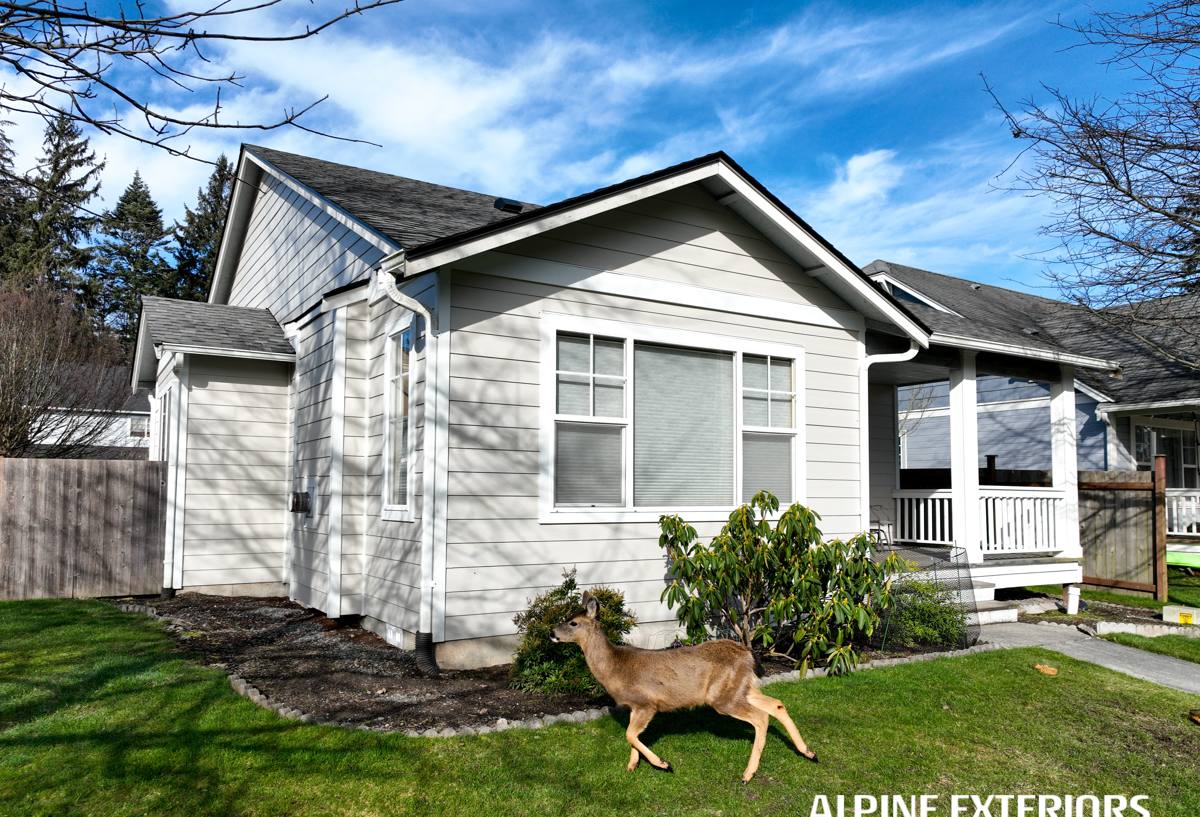
What Braden River Homes Face Year-Round
Humidity and Moisture From the River Corridor
Properties near the Braden River and its surrounding wetlands and retention areas deal with higher ambient humidity and more standing moisture in the air than homes further from water. That moisture works into wood-based and engineered wood siding through cut edges, fastener holes, and seams, and it's a major reason we see swelling, delamination, and soft spots on siding that was never rated for this kind of sustained exposure.
Shade, Canopy, and Slower Drying Times
Mature oak and pine canopy is one of the things that makes Braden River's older neighborhoods attractive, but heavy shade also means siding stays damp longer after a storm or a humid morning. Sun-exposed walls on a neighboring lot might dry out in a few hours; a shaded wall under thick canopy can stay wet most of the day. Materials that are sensitive to moisture retention don't do well in that environment.
Wind and Storm Exposure
Braden River isn't oceanfront, but it's still squarely within the wind zones that matter for hurricane preparedness in this part of Florida. Tropical storms and hurricanes bring sustained wind loads and wind-driven rain that test every seam, fastener, and flashing detail on a home's exterior — siding, roofing, and window installations included.
UV and Heat Cycling
Florida sun is intense almost year-round, and even on shaded lots the exposed sides of a home take direct UV for hours a day. Paint fades, caulk dries out and cracks, and materials that expand and contract with heat cycles will eventually show that stress at the seams if they weren't engineered for it.
Why We Install Only James Hardie Fiber Cement
We made a deliberate decision as a company to install James Hardie fiber cement siding exclusively — not vinyl, not LP SmartSide, not Cemplank, not Allura, not primed spruce or cedar. That's not a marketing gimmick; it's a standard we hold because of what we've seen these different materials do over time in exactly the climate Braden River sits in.
What the Alternatives Get Right — and Where They Fall Short Here
Vinyl siding is inexpensive and easy to install, and for some climates it holds up fine. In Florida, it softens and can warp under sustained direct heat, and it's a poor performer in high wind events compared to a heavier, mechanically fastened material. Engineered wood products like LP SmartSide use resin-treated wood strand technology that's genuinely improved over older wood siding, but wood-based cores are still vulnerable to moisture intrusion at cut edges and seams — a real concern in a humid, shaded, riverside environment. Primed spruce or cedar siding require the homeowner to keep up an aggressive repainting and caulking schedule, or moisture works in fast. These aren't defects so much as trade-offs, and we'd rather be upfront about them than install something and hope the maintenance keeps up.
Why Fiber Cement Fits This Climate
James Hardie fiber cement is made from cement, sand, and cellulose fiber — it's non-combustible, it doesn't rely on a wood core that can rot or delaminate, and it's engineered specifically for high-humidity, high-UV, storm-exposed regions through Hardie's HZ10 climate-specific product line for Florida and the Gulf Coast. The ColorPlus factory-applied finish is baked on and warrantied against fading, which matters enormously under the amount of direct sun a Braden River exterior sees over a year. It holds up to wind-driven rain and hurricane-force gusts far better than lighter-gauge materials when installed to Hardie's fastening and clearance specifications.
James Hardie Product Lines We Install
| Product | Best Use | Look |
|---|---|---|
| HardiePlank Lap Siding | Whole-home primary siding | Traditional horizontal lap, smooth or cedar-textured |
| HardieShingle | Accent gables, dormers | Staggered or straight-edge shingle profile |
| HardiePanel Vertical Siding | Modern facades, porch gables | Clean vertical lines |
| HardieTrim | Corners, fascia, window/door trim | Crisp, paint-ready or ColorPlus-finished |
Every one of these is available in ColorPlus factory finishes, which means the color is baked into the product at the factory rather than applied on-site — better fade resistance, better long-term consistency, and less maintenance for the homeowner than field-painted siding.
Roofing, Windows, and Decks — The Rest of the Exterior Envelope
Siding is only one piece of what protects a Braden River home. We also handle roofing, windows, and decks, because these systems all interact — a roof that's shedding water poorly will eventually stain or damage siding below it, and windows with failed flashing let wind-driven rain behind the wall assembly no matter how good the siding is.
Roofing
Roof coverings and underlayment take the most direct hit during hurricane season. We inspect roof condition as part of any siding project because a compromised roof edge or flashing detail undermines everything below it.
Windows
Impact-rated and properly flashed windows matter as much for wind-driven rain intrusion as they do for storm impact resistance. Old, poorly sealed windows are one of the most common sources of hidden moisture damage we find when we open up a wall during a siding job.
Decks
Outdoor living is a big part of life in this part of Florida, and decks near the Braden River corridor face the same humidity and UV exposure as the siding. We build and repair decks with materials and fastening details suited to that same climate reality.
What Correct Installation Actually Involves
Fiber cement siding performs the way it's engineered to only when it's installed correctly. A rushed or improperly detailed installation can undercut even the best material. Here's what we hold every Braden River project to:
- Proper fastener spacing and type per Hardie's published installation guidelines
- Correct clearances from grade, roofline, and hardscape to prevent moisture wicking
- Sealed and flashed openings around every window, door, and penetration
- House wrap or weather-resistive barrier installed and lapped correctly beneath the siding
- Caulking only at manufacturer-specified joints — not as a substitute for proper flashing
- Painted or factory-finished cut edges to prevent moisture entry at seams
Cost Factors for a Braden River Siding Project
| Factor | Why It Matters |
|---|---|
| Home size and wall complexity | More corners, gables, and dormers mean more cut edges and labor |
| Existing siding removal | Tear-off of old vinyl, wood, or damaged fiber cement adds time and disposal cost |
| Underlying sheathing condition | Rot or moisture damage found during removal may need repair before new siding goes up |
| Product line and profile mix | Combining lap siding with shingle accents or trim adds material and labor variety |
| Color and finish selection | ColorPlus factory finishes vs. field-applied paint affect both cost and long-term upkeep |
We won't quote a number without seeing the home — every Braden River property has a different mix of wall exposure, tree canopy, and existing condition, and those variables genuinely change the scope of work.
Why a Local Crew Matters for This Kind of Work
A crew that works throughout Bradenton and Manatee County day in and day out knows what this climate does to an exterior, because we see it repeatedly — the shaded walls that stay damp, the sun-baked south and west exposures that fade paint fastest, the flashing details that matter most once hurricane season rolls around. That local, repeated exposure to this specific climate is worth more than a generic installation crew that hasn't worked this coastline. It shows up in the details: how clearances are set, how flashing is detailed around openings, and how honestly we talk to homeowners about what a given product will and won't hold up to here.
If you're weighing a siding, roofing, window, or deck project for your Braden River home, we're glad to come take a look and give you a straightforward, no-pressure estimate — no invented urgency, just an honest read on your home's condition and what it actually needs.