 Bradenton Siding
 Siding Built for the Braden River Corner of Bradenton
Homes along the Braden River corridor sit in one of the more exposed pockets of Manatee County. Between the river's open water views, the tree canopy that drops humidity right up against exterior walls, and a straight shot for wind coming off the Gulf during storm season, siding here works harder than siding almost anywhere inland. When a homeowner in this area calls us about siding replacement, we're not starting from a generic checklist — we're starting from what actually fails on homes in this specific environment, and what has to be true of the new siding for it not to fail the same way again.
This page is about one job: full siding replacement for Braden River homes. Not a patch, not a partial re-side, not a different service altogether — the complete removal of failing siding and installation of a new James Hardie fiber cement system, done to match what this climate actually demands.
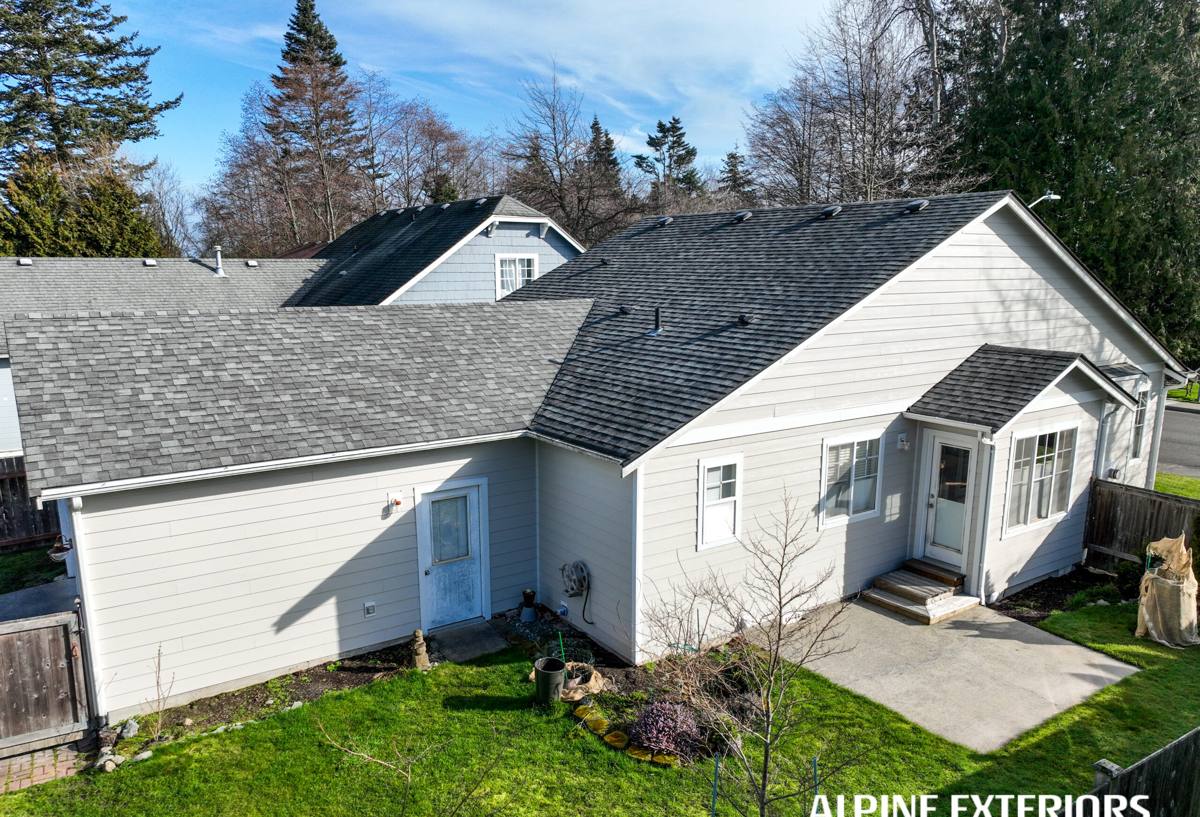
What Braden River's Climate Does to Siding Over Time
Four things drive most of the siding failures we see in this part of Bradenton, and they compound each other:
Hurricane-force wind and wind-driven rain
Even homes that never take a direct hit still get repeatedly loaded by tropical-storm-strength wind and rain over the years. Wind-driven rain doesn't just hit siding — it gets forced sideways and upward into laps, seams, and fastener points that were never designed to shed water from that angle. Siding that isn't installed with the right lap exposure, flashing, and fastening pattern for a high-wind zone starts letting moisture behind the panel long before anyone notices a visible problem.
Year-round, high-intensity UV
Bradenton doesn't get a real winter break from sun exposure. Siding finishes that rely on field-applied paint chalk, fade, and break down faster here than in most of the country, which means more frequent repainting and, eventually, a finish that can no longer protect the substrate underneath it.
Salt air
Proximity to the Gulf and the brackish stretches of the Braden River means airborne salt settles on exterior surfaces even well inland from the immediate coastline. Salt is corrosive to fasteners and hardware, and it accelerates the breakdown of finishes not engineered to resist it.
Humidity and moisture cycling
Warm, humid air pressed against exterior walls for most of the year creates ideal conditions for wood rot and moisture-related failure in any siding material that isn't inherently moisture-resistant, especially where a water resistive barrier or flashing detail was cut short during the original installation.
Signs a Braden River Home Needs Siding Replacement, Not Just a Repair
Not every siding problem calls for a full replacement, but in this climate, certain signs mean the underlying material or the original installation has already failed — patching won't fix it. Look for:
- Soft, spongy, or crumbling siding when pressed, especially near the bottom courses and around windows
- Visible warping, buckling, or panels pulling away from the wall
- Persistent paint failure — peeling, bubbling, or chalking that returns soon after repainting
- Staining or dark streaking at seams and laps, which usually points to water tracking behind the siding
- Rust bleed at fastener heads or corroded trim hardware
- Rot or soft spots in the wall sheathing visible from inside during interior renovations
- Rising energy bills with no other explanation, which can indicate compromised insulation and air sealing behind failing siding
- Visible gaps, cracking caulk joints, or daylight at corners and trim
If several of these are present, the siding and often the water barrier behind it have likely been compromised for a while — replacement is the honest recommendation, not another round of caulk and paint.
Why We Only Install James Hardie Fiber Cement Siding
We install one siding product on Braden River homes: James Hardie fiber cement. We don't install vinyl, LP SmartSide, or unfinished wood siding, and that's a deliberate standard, not a lack of options.
Fiber cement is non-combustible, doesn't warp or rot the way wood-based products can when moisture gets behind them, and holds up structurally under the kind of wind loading this area sees. James Hardie's HardieZone system also matters specifically here: the HZ5 product formulation is engineered for hot, humid, high-moisture climates like ours, rather than being a one-size-fits-all product shipped to every region. Combined with the factory-applied ColorPlus finish — baked on and warranted against fading and chipping, instead of relying on a field-applied paint job to survive Florida sun — it's the combination that holds up best against everything Braden River's climate throws at it, and it's why we've standardized on it rather than offering a menu of materials with very different long-term outcomes.
What a Correct Siding Replacement Actually Involves
The material is only part of the equation. Most siding failures we open up trace back to installation shortcuts, not the product itself. A correct job includes:
Full tear-off and inspection
We remove the existing siding down to the sheathing rather than siding over it. This is the only way to actually see what's underneath — rot, hidden moisture damage, or a water barrier that was never installed correctly the first time.
Sheathing repair before anything else goes back on
Any compromised sheathing gets replaced. Installing new siding over damaged sheathing just locks the existing problem behind a new wall.
A continuous water-resistive barrier
A properly lapped and sealed weather barrier goes on before the siding, giving the wall a second line of defense against wind-driven rain that inevitably finds its way past the outer surface.
Correct flashing at every penetration
Windows, doors, hose bibs, light fixtures, and any other wall penetration get flashed so water is directed out and down, never into the wall cavity. This is one of the most commonly skipped steps in lower-cost siding jobs, and it's usually the first place a river-adjacent home starts leaking.
James Hardie fastening and clearance specifications
Fastener type, spacing, and the gap left at the bottom of the siding relative to grade, decks, and roof lines all follow Hardie's published installation requirements for our wind zone — not a generalized approach carried over from a different climate.
Properly sealed joints and trim
Seams, corners, and trim transitions are sealed with materials rated for continuous UV and moisture exposure, not standard caulk that will fail within a season or two.
Our Siding Replacement Process
- On-site assessment. We walk the exterior, check for soft spots and hidden moisture, and give you a straight read on whether you're looking at replacement versus repair.
- Written estimate. You get a clear scope of work and pricing before anything is scheduled — no vague allowances.
- Permitting. We handle the permit process required for exterior work in Manatee County so the job is inspected and documented correctly.
- Tear-off and sheathing inspection. Old siding comes off, sheathing is inspected, and any rot or damage is addressed before moving forward.
- Water barrier and flashing installation. The moisture management layer goes in first, correctly lapped and sealed.
- James Hardie installation. Panels, planks, or shingle siding go on to manufacturer spec for our wind zone, with correct fastening and clearances.
- Trim, caulking, and final detailing. Joints, corners, and penetrations get sealed and finished.
- Final walkthrough. We review the completed work with you before calling the job done.
Choosing a James Hardie Product Line for Your Home
James Hardie offers several siding profiles, and the right one depends on the home's style and what you're trying to achieve visually. All of them come in the ColorPlus factory-finish system when you want to skip field painting altogether.
| Product Line | Profile | Best Suited For |
|---|---|---|
| HardiePlank lap siding | Traditional horizontal lap boards | Classic and craftsman-style homes wanting a familiar clapboard look |
| HardieShingle siding | Staggered or straight-edge shingle panels | Coastal cottage or shingle-style architecture, often as an accent |
| HardiePanel vertical siding | Large-format vertical panels | Modern facades, gables, and accent walls |
| HardieTrim boards | Trim, fascia, and corner boards | Finishing details around windows, doors, and corners on any of the above |
We'll walk through which profile and color fit your home's architecture and the surrounding streetscape as part of the estimate — there's no single right answer, and we're not going to push a look that doesn't suit the house.
What Affects the Cost of a Siding Replacement
Every Braden River home is different, so we don't quote sight unseen, but these are the main factors that move the price up or down:
| Factor | Why It Matters |
|---|---|
| Home size and wall complexity | More square footage and more corners, gables, and dormers mean more material and labor |
| Condition of the sheathing underneath | Hidden rot or water damage found during tear-off adds repair scope before new siding can go on |
| Siding profile chosen | Lap, shingle, and panel products differ in material and labor requirements |
| Trim and detail work | Extensive trim, corner boards, and architectural detailing add time |
| Accessibility | Two-story sections, tight lot lines, or landscaping that limits equipment access affect labor |
| Removal and disposal of old siding | Volume and type of material being torn off affects disposal cost |
We give you an itemized, written estimate before work begins so you know exactly what you're paying for and why.
Why It Matters to Hire a Crew That Already Works This Area
Siding installation isn't just about the product — it's about whether the crew understands the conditions the finished job has to survive. A crew that regularly works Braden River and the surrounding Bradenton area already knows how to detail flashing for wind-driven rain, how to spec fastening for our wind zone, and what the local permitting process requires, instead of treating it as one more stop on a route that mostly serves a different climate. That familiarity shows up in the details that don't get skipped: the flashing behind a window, the clearance at the bottom course, the sealant rated for our sun exposure — the parts of the job you can't see once it's finished, but that determine whether it lasts fifteen years or fifty.
Caring for Your New Siding After Installation
James Hardie siding is low-maintenance compared to wood or vinyl, but "low-maintenance" isn't "no-maintenance," especially in a salt-air, high-UV environment. A simple annual routine keeps it performing as designed:
- Rinse the exterior periodically to clear salt residue and airborne debris
- Inspect caulk joints and trim seams once a year and re-seal any that have cracked or pulled away
- Keep sprinklers and irrigation from spraying directly on the siding, which accelerates mineral buildup and staining
- Trim back landscaping so foliage isn't holding moisture against the wall
- Have any impact damage from storms or yard equipment repaired promptly rather than left exposed
If you're seeing signs of wear on your current siding, or you just want an honest opinion on whether your home is due for a replacement, we're happy to take a look. Reach out for a free, no-pressure estimate using the form below.