 Bradenton Siding
 Roofing a Barrier Island Home Is a Different Job
Holmes Beach sits out on Anna Maria Island, surrounded by the Gulf on one side and the bay on the other. That location is part of what makes it a great place to live, but it's also why roofs here wear out faster and fail differently than roofs a few miles inland in Bradenton or Manatee County proper. A new roof installation on a barrier island home isn't just "the same job, closer to the water" — the materials, fastening methods, and detailing all need to account for conditions that a standard subdivision roof was never designed for.
We install new roofs across Manatee County, and Holmes Beach and the rest of Anna Maria Island are a regular part of that work. That matters more than it might seem, because a roofing system that performs well inland can underperform on the island if it isn't specified and installed with barrier island conditions in mind from the start.
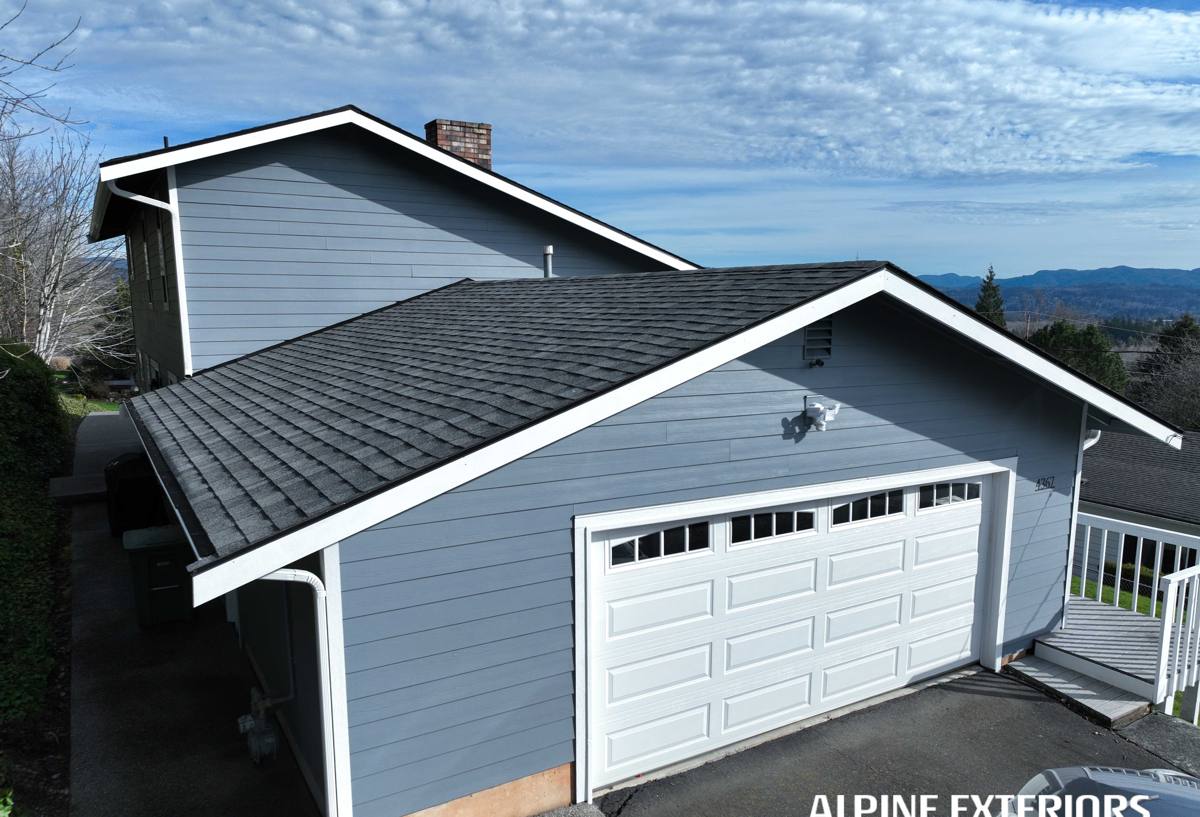
What Local Roofs Are Actually Up Against
Wind
Homes this close to open water take the brunt of tropical storm and hurricane-force wind events before that wind loses any strength over land. Roof coverings, fasteners, and edge details all need to be installed to hold up under sustained high wind and wind uplift, not just meet a baseline code minimum on paper.
Sun and UV Exposure
Florida gets intense, nearly year-round sun, and a Gulf-front property gets it with almost nothing to block it — no tree canopy, no shade from taller buildings. UV breaks down roofing materials from the outside in, drying out asphalt shingles, degrading sealants, and fading and chalking lesser-quality products well before their rated lifespan is up.
Wind-Driven Rain
It's not just how much rain falls — it's the angle it falls at. Wind-driven rain during storms gets pushed sideways and upward under shingle edges, around flashing, and into any gap a calm-weather roof wouldn't have to deal with. A roof that isn't detailed for wind-driven rain can develop leaks in a storm even when every shingle stays in place.
Salt Air
Salt in the air corrodes exposed metal — fasteners, flashing, vents, and drip edge — faster than it would inland. Standard hardware that would last decades in Bradenton's inland neighborhoods can start showing rust and pitting much sooner this close to the Gulf if it isn't rated for coastal exposure.
Signs a Holmes Beach Roof Needs Full Replacement, Not a Repair
Not every roof problem calls for a full tear-off and new installation. But on the island, certain signs usually mean repair is a short-term patch rather than a real fix:
- Shingles that are cracked, curling, or losing granules across large sections of the roof, not just one isolated spot
- Visible daylight through the roof deck from inside the attic
- Soft, spongy, or sagging areas when walked on, which usually means the decking underneath has taken on moisture damage
- Repeated leaks in different locations after storms, rather than one consistent trouble spot
- A roof that's approaching or past the end of its expected service life, especially if it's never been replaced since the home was built
- Visible rust streaking from fasteners or flashing, or corrosion around roof penetrations
If you're only seeing one or two of these on an otherwise sound, newer roof, a targeted repair may still make sense. We'll tell you honestly which situation you're in during an inspection — we don't sell full replacements to homeowners who don't need one.
Choosing a Roofing System That Belongs on the Island
There isn't one "correct" roofing material for every Holmes Beach home — it depends on your home's structure, your roof's slope and shape, your budget, and how long you want to go before thinking about your roof again. Here's how the main options generally compare for a coastal Manatee County property:
| Roofing Material | Wind & Storm Performance | Typical Lifespan | Maintenance |
|---|---|---|---|
| Architectural asphalt shingles (coastal-rated) | Good, when installed with enhanced fastening and sealed underlayment | Roughly 20–30 years | Periodic inspection; most economical upfront |
| Standing-seam metal | Excellent uplift and wind resistance when properly installed | 40+ years | Low; occasional fastener and sealant checks |
| Concrete or clay tile | Very good wind performance when tiles and fasteners are rated and installed correctly | Multiple decades | Moderate; individual tiles can be replaced if damaged |
| 3-tab asphalt shingles | Lower wind rating than architectural shingles | Roughly 15–20 years | Higher long-term risk on exposed coastal roofs |
We generally steer homeowners on the island away from basic 3-tab shingles, not because the product is defective, but because it simply isn't built for the wind and UV load a Gulf-front roof takes on. It's a fair product for a sheltered inland roof; it's not the right tool for this location. We'll walk you through the real tradeoffs — cost, lifespan, appearance, and how each option holds up to salt air — so you can pick based on your home and budget, not a sales pitch.
What a Correct New Roof Installation Actually Involves
Full Tear-Off and Deck Inspection
A proper new roof starts with removing the old roofing down to the deck, not layering over it. That's the only way to actually see what's underneath — and on older island homes, it's common to find sections of decking that have taken on moisture damage over the years. Any soft or compromised decking gets replaced before anything new goes down; installing a new roof over a weak deck just sets up the next round of problems.
Underlayment Built for Wind-Driven Rain
This is one of the biggest differences between a roof built for the island and a standard inland roof. We use underlayment systems designed to handle wind-driven rain intrusion, including self-adhering, water-tight membrane at vulnerable areas like eaves, valleys, and roof penetrations — the spots most likely to leak in a sideways storm.
Flashing, Fasteners, and Edge Detail
Flashing around chimneys, walls, skylights, and vents has to be installed correctly and, on a coastal home, made from materials that resist salt corrosion. Fastening patterns matter just as much — enhanced nailing patterns and correctly rated fasteners are what actually keep a roof covering attached in high wind, far more than the shingle brand printed on the wrapper.
Ventilation
A roof needs to breathe. Proper intake and exhaust ventilation keeps attic temperatures and moisture in check, which protects the decking from the underside and helps the roofing material itself last as long as it's rated to.
Permitting and Wind Mitigation
New roof installations in Manatee County, including Holmes Beach, require a permit and inspection — that's not optional, and it's not something a legitimate contractor works around. We handle the permitting process and build the roof to meet current Florida Building Code wind requirements. A permitted, code-compliant installation also typically qualifies you for a wind mitigation inspection afterward, which can lower your homeowner's insurance premium — worth asking your insurance agent about once the new roof is in.
How Our Installation Process Works
- Inspection and honest assessment. We look at the whole roof system — covering, decking, flashing, ventilation — and tell you plainly whether you need a repair or a full replacement.
- Written estimate. You'll get a clear scope of work and price before anything is scheduled, with material options explained in plain terms.
- Permitting. We pull the required Manatee County permit and schedule the work around inspections.
- Tear-off and deck repair. Old roofing comes off, the deck is inspected, and any damaged sections are replaced.
- Underlayment, flashing, and installation. The new roofing system goes on with coastal-appropriate underlayment, flashing, and fastening.
- Final inspection and cleanup. The job is inspected, the site is cleaned of debris and nails, and we walk the finished roof with you.
Why It Matters That We Already Work Holmes Beach
A barrier island job site isn't the same as an inland one. Material deliveries, dumpster placement, and parking all have to work around narrow island streets and limited space — logistics that catch out-of-area crews off guard and slow a job down. Many Holmes Beach properties are also seasonal or vacation rentals, which means scheduling around guest turnover and getting the roof buttoned up on a predictable timeline matters more than it would for a full-time residence.
A crew that regularly works Anna Maria Island already knows how to plan around these realities, understands what coastal exposure does to a roof over time, and isn't guessing at how to detail a roof for wind-driven rain because it's the first time they've dealt with it. That familiarity shows up in fewer surprises during the job and a roof that's actually built for where it sits.
What Affects the Cost of a New Roof in Holmes Beach
Every roof is different, so we don't quote a number until we've actually inspected the property. But these are the main factors that move the price up or down:
| Factor | Why It Matters |
|---|---|
| Roof size and complexity | More roof area, valleys, hips, and penetrations all mean more material and labor |
| Material chosen | Asphalt shingle, metal, and tile systems carry very different material and labor costs |
| Deck condition | Rotted or damaged decking found during tear-off adds repair cost before new roofing goes on |
| Underlayment and flashing package | Coastal-grade, wind-driven-rain-rated systems cost more than a basic inland spec, but reduce leak risk |
| Roof pitch and access | Steeper roofs and limited site access increase labor time and safety requirements |
| Permitting and code requirements | Required inspections and wind-rated installation methods are part of a legitimate quote, not an add-on |
Be cautious of any quote for island roofing work that's dramatically lower than others you've received — it's a common sign that wind-rated fastening, proper underlayment, or code-required permitting is being skipped to hit a low number.
Caring for Your Roof After Installation
A correctly installed roof still benefits from basic upkeep, especially in a coastal environment:
- Have the roof visually inspected after any major storm, even if you don't see obvious damage from the ground
- Keep gutters and downspouts clear so water drains away from the roof edge and fascia properly
- Trim back any overhanging vegetation to reduce debris buildup and abrasion on the roof surface
- Watch for granule buildup in gutters on shingle roofs, which can signal accelerated wear
- Schedule a periodic professional inspection every couple of years, or sooner after significant weather events
- Address minor flashing or sealant issues promptly, before they turn into deck or interior damage
If your roof is showing its age or you just want an honest opinion on where it stands, we're happy to take a look. We offer free, no-pressure estimates for new roof installations in Holmes Beach and the rest of Anna Maria Island — use the form below to get started.