 Bradenton Siding
 Vinyl Siding Isn't a Bad Product — It's a Bad Fit for This Coast
We get asked about vinyl siding almost every week, usually by a homeowner who got a quote that was thousands less than ours. We understand why. Vinyl is inexpensive, it's everywhere, and plenty of installers in Manatee County will happily put it up. We're not one of them, and we think you deserve a straight answer about why, instead of a sales pitch that just runs down the competition.
Vinyl siding works fine in a lot of the country. It's lightweight, low-cost, and requires almost no maintenance beyond an occasional wash. The problem isn't vinyl in general — it's vinyl on a home that sits in Bradenton's sun, humidity, and hurricane exposure year-round. This page walks through what vinyl does well, where it struggles here specifically, and why we standardized on James Hardie fiber cement instead of carrying vinyl as an option.
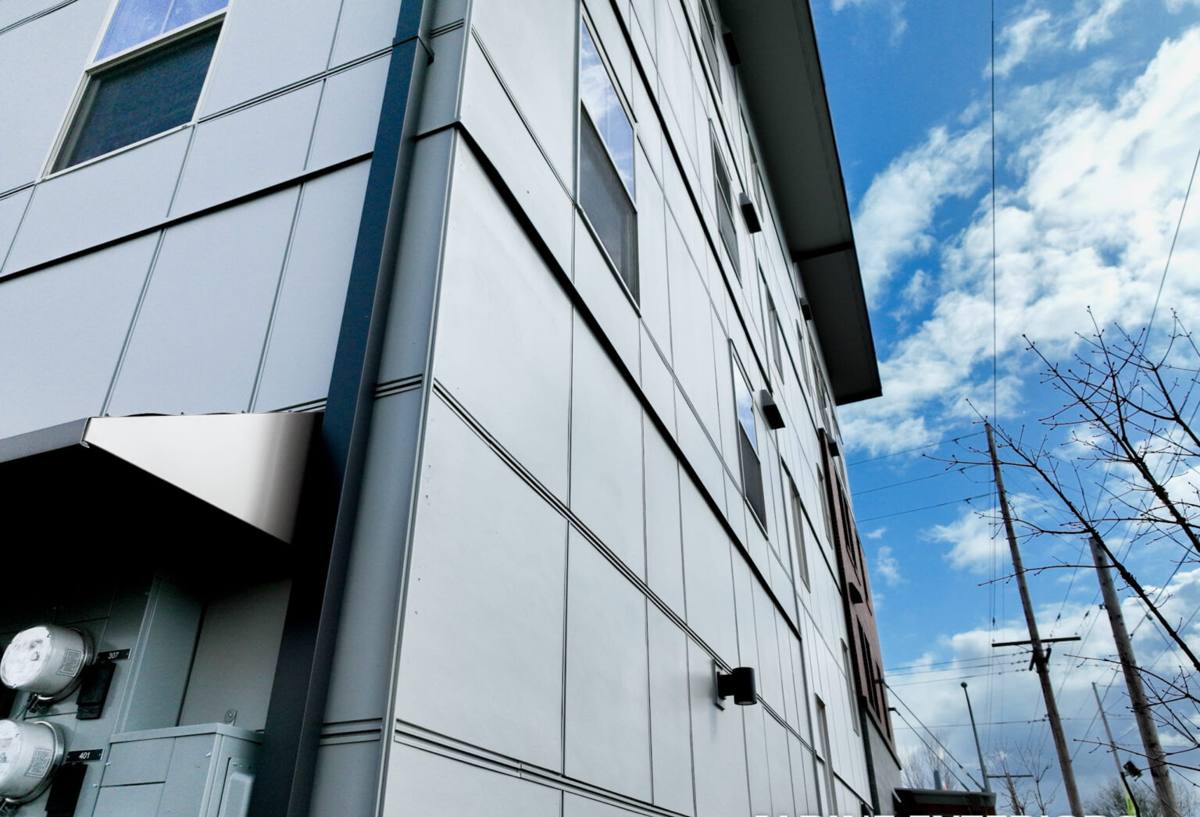
What Vinyl Siding Actually Gets Right
Fair is fair. Vinyl has real advantages that explain its popularity nationwide:
- Low upfront material and installation cost compared to fiber cement or wood
- No painting required — color is molded through the panel
- Lightweight, which speeds up installation labor
- Resistant to rot and insects since it isn't wood-based
- Wide availability of colors, textures, and profiles from national manufacturers
If you lived somewhere with mild summers, low UV intensity, and no hurricane exposure, vinyl could reasonably last a couple of decades without major complaints. That's just not the environment a house in Bradenton sits in.
Year-Round UV Is Harder on Vinyl Than Most Homeowners Expect
Vinyl siding is made from PVC with pigment mixed into the material. Florida's UV exposure is intense and constant — not seasonal like it is farther north — and that steady bombardment breaks down the plasticizers that keep vinyl flexible and colorfast. Over time, panels chalk, fade unevenly (worse on south and west-facing walls), and become brittle. Darker colors, which many homeowners want for curb appeal, fade the fastest and are the ones manufacturers often warn against using in high-UV climates for exactly this reason.
Once vinyl becomes brittle, it's more prone to cracking from lawn equipment, hail, or just a stray impact — and cracked panels aren't something you patch. You replace the panel, and matching faded color years later is rarely possible.
Wind-Driven Rain and Hurricane Wind Loads
Manatee County sits squarely in hurricane country, and wind is where vinyl's installation method becomes the real issue — not the material itself. Vinyl panels are designed to hang loosely on a nailing hem and expand and contract with temperature. That loose-hang design is what lets wind get underneath a panel and peel it off in a strong gust, which is why you'll see vinyl siding damage after storms that leave fiber cement and brick homes untouched nearby.
Manufacturers do make higher wind-rated vinyl products with more fasteners and tighter interlocks, but they require exacting installation to actually perform at their rating, and the margin for error is slim. Wind-driven rain is the other half of the problem: vinyl siding isn't a waterproof membrane, it's a rain screen. Water is expected to get behind it and drain out. If the underlying water-resistive barrier, flashing, or drainage plane isn't detailed correctly, wind-driven rain during a tropical system pushes moisture behind the panels and into the wall assembly — and you won't see it until there's a mold problem or rot in the sheathing.
Salt Air Adds a Second Layer of Stress
Being this close to the Gulf, salt air accelerates corrosion on the fasteners, trim coil, and any exposed metal components in a siding system. Vinyl itself doesn't corrode, but the hardware holding it up and the metal flashing and starter strips around it do — and once those fail, the whole assembly is compromised regardless of how the panel itself is holding up.
Installation Sensitivity: Where Most Vinyl Failures Actually Start
Most of the vinyl siding problems we're called out to look at aren't really a vinyl problem — they're an installation problem that vinyl's design makes unforgiving. A few examples:
- Over-nailing. Vinyl needs to float on its nailing hem to expand and contract. Nail it tight and it can't move, so it buckles, warps, or cracks at the fastener.
- Wrong fastener spacing. Standard spacing isn't enough for our wind zone; higher wind-rated installations need more fasteners than a typical crew defaults to.
- Poor J-channel and trim detailing. Gaps at corners and window trim are where wind first gets a grip during a storm.
- Skipped or improper water-resistive barrier work. Since vinyl isn't a sealed surface, everything depends on what's behind it.
None of this means vinyl can't be installed correctly. It means the tolerance for error is low, the failure mode is often invisible until a storm exposes it, and a lot of installers treat vinyl as a fast, low-skill product when it actually punishes shortcuts.
Vinyl vs. Fiber Cement: A Straight Comparison
| Factor | Vinyl Siding | James Hardie Fiber Cement |
|---|---|---|
| Material composition | PVC plastic | Cement, sand, cellulose fiber |
| Hurricane wind performance | Rated products available, but panel can lift if fastening isn't precise | Engineered HZ product lines built for high-wind, high-humidity zones |
| UV/fade resistance | Fades and chalks with sustained Florida sun exposure | ColorPlus factory finish baked on, warranted against fading |
| Combustibility | Combustible plastic, can melt or deform near heat sources | Non-combustible |
| Moisture handling | Rain-screen design; relies entirely on barrier behind it | Dense, engineered to resist moisture-related swelling and rot |
| Typical lifespan here | Often replaced or heavily faded well before 20 years in this climate | Manufacturer-backed for decades when installed to spec |
| Repair after impact damage | Panel replacement, color match often impossible | Section repair possible, factory finish more consistent over time |
Warranty Reality Check
Vinyl warranties often read impressively long, but read the fade and color clauses closely — many limit or void coverage for darker colors or high-UV regions, which describes Bradenton exactly. Wind damage exclusions are also common, and warranty claims frequently come down to proving installation met the manufacturer's exact fastening spec, which is hard to verify years after the fact. James Hardie's warranty structure, paired with correct installation, doesn't carry those same climate-specific carve-outs.
Why We Standardized on James Hardie Instead
We made a decision as a company to install one siding system — James Hardie fiber cement — rather than offer vinyl, LP SmartSide, or other engineered wood products as cheaper alternatives. It's not because vinyl is a scam or a bad product in the abstract. It's because after years of doing tear-offs and storm repairs on homes across Manatee County, the pattern is consistent: the siding failures we see most often trace back to materials that weren't built for sustained tropical UV, wind-driven rain, and hurricane wind loads, installed by crews treating a moisture-sensitive rain-screen system as a quick nail-up job.
Hardie's HZ5 product line is specifically engineered for high-humidity, high-wind climates like ours. It's non-combustible, holds its ColorPlus factory finish without the fade and chalk pattern vinyl shows here, and doesn't rely on floating panels to survive a wind event. We'd rather install one system correctly and stand behind it than offer a menu of cheaper options we can't fully vouch for on a Gulf Coast home.
Questions Worth Asking Before You Choose Vinyl
If another contractor is proposing vinyl for your home, these are worth asking regardless of who does the work:
- What wind rating is this specific vinyl product certified for, and does that match our local wind zone requirements?
- What fastener spacing and nailing method will be used, and does it meet the manufacturer's high-wind installation instructions?
- What water-resistive barrier and flashing details are planned behind the panels?
- Does the color I'm choosing have any fade warranty restrictions for high-UV or coastal regions?
- What does the wind damage exclusion look like in the manufacturer's warranty?
If those answers are vague, that's the same red flag we'd want you to notice with any material — not just vinyl.
What This Means for Your Home
We're not going to tell you vinyl siding will fail on day one, and plenty of vinyl-clad homes in the area look fine right now. What we're telling you is that after weighing the maintenance burden, the fade and UV performance, the moisture behavior behind the panel, and the wind vulnerability specific to hurricane-exposed coastal Florida, we don't think vinyl is worth putting our name on. We'd rather have an honest conversation about a product engineered for this exact climate than sell you something priced to win the estimate and lose the storm.
If you're weighing siding options for a home in Bradenton or anywhere in Manatee County, we're happy to walk your property, look at your current siding condition, and give you a straightforward estimate for a James Hardie fiber cement replacement — no pressure, no upsell script, just what we'd actually put on our own home.