 Bradenton Siding
 Living on a Barrier Island Changes What Your Siding Needs to Do
Anna Maria Island sits right at the edge of the Gulf, and that location is exactly what makes it such a desirable place to live — and exactly why the exterior of a home here works harder than almost anywhere else in Manatee County. Homes on the island face a combination of stresses that inland Bradenton properties simply don't see with the same intensity: salt-laden air moving in off the water almost every day, wind-driven rain that gets pushed sideways into wall assemblies during storms, and sun exposure that is close to constant for much of the year. Add in the real risk of hurricane-force winds during storm season, and it becomes clear why siding choice on Anna Maria Island isn't a cosmetic decision. It's a durability decision.
We install exterior siding across the Bradenton area, and Anna Maria Island jobs get evaluated differently from the start. The distance to the water, the prevailing wind exposure on a given lot, and the age and condition of the existing wall assembly all factor into how we plan the job — not just what color gets chosen.
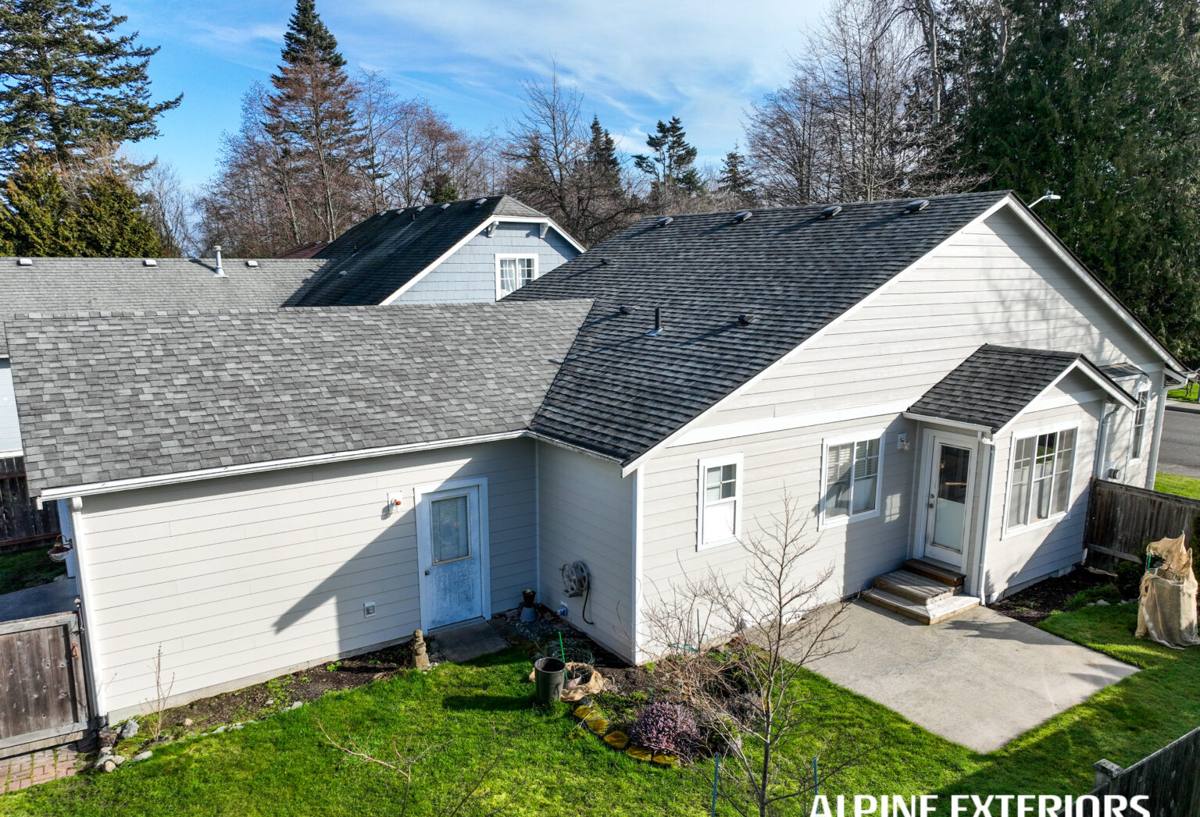
What Barrier-Island Weather Actually Does to a Home's Exterior
Salt Air Is a Slow, Constant Attacker
Salt in the air settles on every exterior surface, and over years it accelerates corrosion of fasteners, trim, and any material that isn't rated for coastal exposure. It also interacts with paint films and coatings, which is part of why siding on barrier islands tends to fade, chalk, or degrade faster than the same product would inland. This isn't a dramatic, one-time event — it's a slow chemical and physical process that adds up over a decade or two of exposure.
Wind-Driven Rain Finds Every Gap
During tropical storms and hurricanes, rain on Anna Maria Island doesn't just fall — it's pushed horizontally by wind, which means it hits vertical wall surfaces directly and searches out any seam, lap, or penetration that isn't properly sealed or lapped. Siding that relies on face-sealed joints, or that swells and warps when it takes on moisture, is at a real disadvantage in this kind of weather pattern.
UV Exposure Is Nearly Year-Round
Florida sun is intense for most of the year, and on an island with little shade cover from tree canopy in many areas, siding faces near-constant UV load. Coatings and finishes that aren't engineered for this level of exposure fade, chalk, or break down faster than published warranty timelines sometimes suggest.
Wind Load During Storm Season
Manatee County building code accounts for the wind speeds a barrier-island location can see during a hurricane, and siding installation has to follow fastening schedules and product specifications that are rated for that exposure category. This is one area where installation quality matters as much as the product itself — the same siding installed to spec versus installed loosely can perform very differently in a real wind event.
Why We Install Only James Hardie Fiber Cement
We made a deliberate decision as a company to install James Hardie fiber cement siding exclusively, and we don't install vinyl, LP SmartSide, Cemplank, Allura, primed spruce, or cedar. That's not a marketing position — it's a standard we hold because of what we've seen these products do, and not do, in coastal Florida conditions over time.
What Fiber Cement Gets Right for This Environment
- Non-combustible core — a real safety consideration, though not the primary reason for coastal exposure
- Dimensionally stable — fiber cement doesn't expand, contract, warp, or rot the way wood-based products can when they take on moisture
- Factory-applied ColorPlus finish — baked-on and cured under controlled conditions, engineered to hold up to UV and salt-air exposure far longer than field-applied paint
- HZ5 product line available — James Hardie engineers specific formulations for high-humidity, coastal climate zones, which is exactly the exposure category Anna Maria Island falls into
- Strong transferable warranty — backed by a manufacturer with a long track record in Florida specifically
Why We Don't Install the Alternatives
Vinyl siding can loosen, warp, or crack under sustained high wind, and its face-sealed installation style is less forgiving of wind-driven rain than a properly lapped fiber cement system. Wood-based siding products — including primed spruce, cedar, and OSB-core engineered wood like LP SmartSide — carry moisture risk that's amplified in a humid, salt-air, storm-prone environment; even well-maintained wood products need more frequent upkeep here than a fiber cement equivalent. Other fiber cement brands like Cemplank and Allura are legitimate products, but we've standardized our crews, training, and warranty relationships around one system so that every install we do — flashing details, fastening schedule, joint treatment — is executed the same correct way every time. That consistency is worth more to us than offering every option on the market.
How We Approach a Siding Project on Anna Maria Island
Assessment
We start by looking at the home's exposure — how close it sits to the water, which direction the prevailing wind and rain typically come from, and what condition the existing wall assembly and sheathing are in. Homes that have taken on moisture behind old siding need that addressed before new siding goes on, not covered up.
Product and Line Selection
For most Anna Maria Island homes we're looking at James Hardie's HZ5 climate-engineered line, matched to the home's architectural style — lap siding, board and batten, or a mix with trim and soffit details.
Installation to Spec
Correct installation on a barrier island means following manufacturer fastening schedules rated for the local wind exposure category, proper flashing at every window, door, and penetration, correct clearance from grade and roof lines, and joints and laps installed the way the manufacturer specifies — not shortcuts that look fine on day one but fail during the first real storm.
Beyond Siding: The Full Exterior Envelope
Siding doesn't work in isolation. We also handle roofing, windows, and decks, because a barrier-island home's exterior is one connected system — a compromised roofline or window flashing can undermine even well-installed siding by letting water into the wall assembly from a different direction. When we're on a property already, we'll flag anything else on the exterior that looks like it needs attention.
Comparing Siding Options for Coastal Exposure
| Factor | Vinyl | Wood / Engineered Wood | James Hardie Fiber Cement |
|---|---|---|---|
| Salt air resistance | Moderate; can chalk and become brittle | Weak; moisture-sensitive | Strong; factory finish engineered for coastal UV/salt |
| Wind-driven rain performance | Face-sealed joints can be vulnerable | Poor if moisture penetrates the core | Lapped installation sheds water by design |
| Hurricane wind rating | Varies by product and install quality | Varies; installation-sensitive | HZ5 line engineered for high-wind, high-humidity zones |
| Maintenance burden | Low, but limited repairability | High; regular repainting and inspection needed | Low; factory finish reduces repainting frequency |
| Typical lifespan (well-installed) | 20-30 years | 15-25 years, more with diligent upkeep | 30-50 years |
Cost Factors for Anna Maria Island Projects
Every home is different, but a few factors tend to move the price on island jobs specifically:
- Access — some island lots and structures require extra staging, scaffolding, or logistics for material delivery
- Condition of the existing wall assembly — sheathing repair or moisture remediation adds scope
- Home size, roofline complexity, and number of trim/window/door details
- Product line and profile selected (lap width, board and batten, panel systems)
- Whether siding is being paired with roofing, window, or deck work in the same project
We provide a written, itemized estimate before any work begins so there are no surprises once the crew is on site.
Why a Local Crew Matters Here
A contractor working across the wider Bradenton and Manatee County area sees a range of conditions, but Anna Maria Island properties need someone who understands barrier-island exposure specifically — the difference in fastening and flashing details that a few miles of distance from the Gulf can make. We pull permits through Manatee County and follow the wind exposure requirements that apply to island properties, and we stand behind our installation work with a warranty that reflects both the manufacturer's backing and our own labor guarantee.
A Practical Pre-Project Checklist for Homeowners
- Ask what specific James Hardie product line is being proposed and why it fits your home's exposure
- Confirm the contractor is following manufacturer fastening schedules for your wind exposure category
- Ask how flashing will be handled at windows, doors, and any wall penetrations
- Get the warranty terms in writing — both manufacturer and labor/workmanship coverage
- Ask whether the existing sheathing will be inspected and what happens if moisture damage is found
- Confirm permit responsibility and timeline expectations before signing anything
If you own a home on Anna Maria Island and want a straightforward, no-pressure look at what your siding needs and what it would take to move to James Hardie fiber cement, we're glad to come take a look and put together a written estimate — no obligation attached.