 Bradenton Siding
 Why Anna Maria Island Wears Out Siding Faster Than Most Places
Anna Maria Island sits right on the Gulf, and that location is exactly what makes siding replacement here a different job than it is a few miles inland in Manatee County. Homes on the island take on salt-laden air every day of the year, not just during storms. That salt settles into seams, fasteners, and any gap in a wall system, and it never really stops working on the materials underneath it.
Add in the sun. Gulf Coast UV exposure is intense and constant, and it breaks down paint films, cracks caulking, and fades or chalks weaker siding materials well before their rated lifespan is up. Then there's wind-driven rain, which doesn't fall straight down here the way it does elsewhere — it gets pushed sideways into laps, seams, and trim joints during the frequent squalls and the occasional named storm. And when a hurricane does track through, siding is one of the first things tested at full force.
None of this means island homes are doomed to constant repairs. It means the siding and the installation have to be matched to the environment, not just to a catalog picture. That's the whole focus of this page: what a siding replacement on Anna Maria Island actually needs to hold up, and what our crew does differently because we work this specific stretch of coastline regularly.
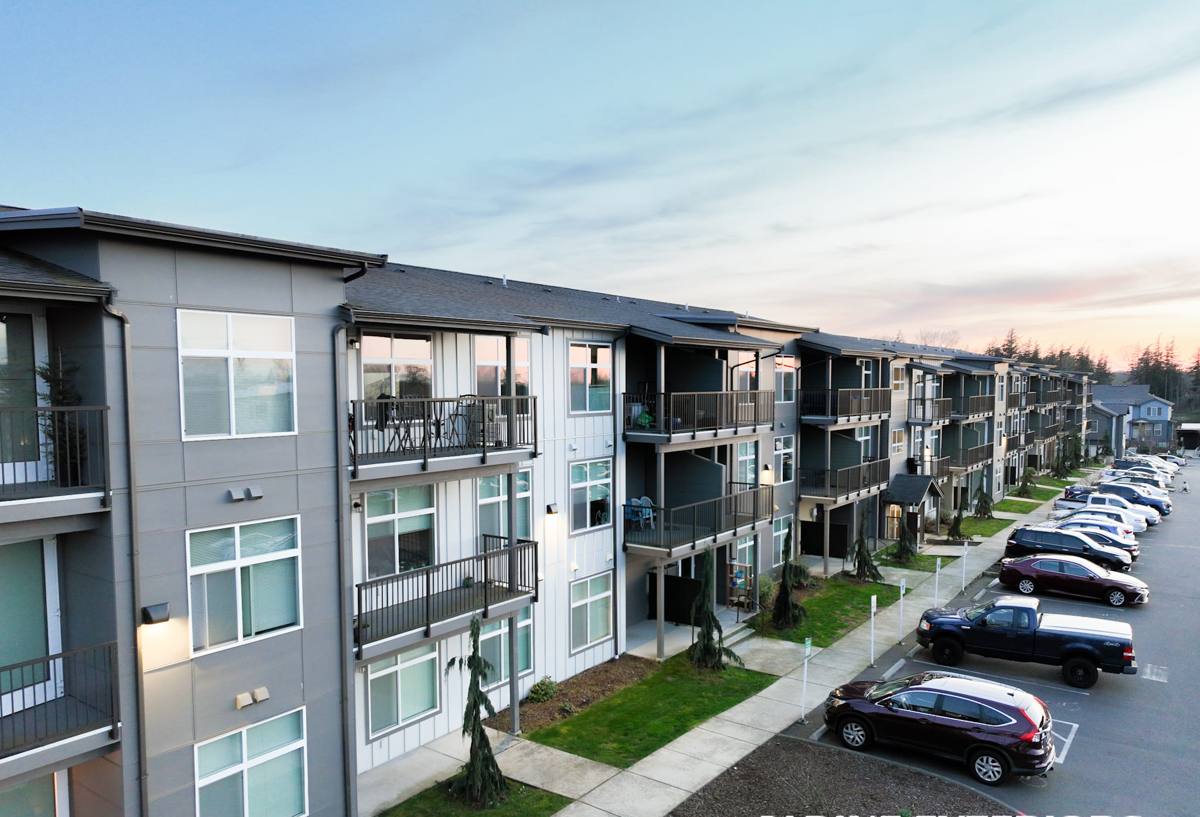
What a Correct Siding Replacement Involves on a Barrier Island
"Siding replacement" sounds simple — old siding off, new siding on — but on a barrier island, most of the work that determines whether the job lasts happens in the layers you don't see once it's done.
Moisture Management Comes First
Every siding replacement here starts with what's underneath the cladding, not the cladding itself. A water-resistive barrier that's been properly lapped, sealed, and flashed at every window, door, and penetration matters more on Anna Maria Island than almost anywhere, because wind-driven rain will find any weak point given enough time. Old or missing house wrap, rotted sheathing, and improperly flashed openings are common finds once old siding comes off a coastal home, and each one needs to be corrected before new siding goes up — not covered over.
Fasteners and Flashing Built for Salt Air
Salt air corrodes ordinary fasteners and flashing far faster than it does a few miles inland. Nails, screws, and flashing metals need to be rated for coastal or marine exposure, and that's a spec decision, not an afterthought. A siding job that looks identical to an inland installation but uses standard hardware will show rust streaks and loosening fasteners years before it should.
Why We Install Only James Hardie Fiber Cement
We standardized on James Hardie fiber cement siding and don't install vinyl, LP SmartSide, Cemplank, Allura, or wood siding like primed spruce or cedar. That's not a marketing position — it's a decision based on what actually holds up in this climate over the long run.
Fiber cement doesn't warp, rot, or feed insects the way wood-based products can, which matters in a humid Gulf Coast environment where moisture is a constant rather than an occasional problem. It's non-combustible, which is a meaningful safety difference from wood-based sidings. James Hardie's ColorPlus factory-applied finish is baked on and warranted against fading and peeling, which matters enormously here given how hard the sun works on painted surfaces. And James Hardie engineers specific product formulations for different climate zones — including versions designed for the humidity and moisture exposure of Gulf Coast conditions — rather than selling one universal panel everywhere in the country.
We're not going to tell you other products are junk. Vinyl is inexpensive and low-maintenance in mild climates; wood has a look some homeowners love; engineered wood has real fans. But each carries trade-offs — vinyl can deform in extreme heat and offers less impact resistance, wood requires ongoing maintenance and is vulnerable to moisture, and engineered wood products are sensitive to installation and moisture detailing. On a barrier island where the siding is under year-round stress, we decided those trade-offs weren't ones we wanted to install and stand behind.
How Common Siding Materials Compare in a Coastal Environment
| Material | Salt Air / Corrosion Behavior | Moisture Behavior | Maintenance Needs |
|---|---|---|---|
| Vinyl siding | Doesn't corrode, but can warp or become brittle under intense heat and impact | Sheds water on the surface; trapped moisture behind panels can be a problem if not detailed well | Low, but panels can crack or blow off in high wind if not properly fastened |
| Wood (cedar, primed spruce) | No corrosion, but finish and wood itself degrade with salt exposure | Absorbs moisture; prone to rot and swelling without diligent upkeep | High — regular painting, sealing, and inspection required |
| Engineered wood (LP SmartSide-type products) | Coatings can be affected by long-term salt and UV exposure | Resin-treated to resist moisture, but sensitive to installation detailing and edge sealing | Moderate — periodic caulking and finish maintenance |
| James Hardie fiber cement | Cement composition doesn't corrode; factory finish resists salt/UV fading | Engineered for high-humidity climates; doesn't rot or absorb water like wood | Low — occasional washing and caulk checks |
Our Process for Anna Maria Island Projects
We work out of Bradenton and treat island projects as their own category, not a smaller version of a mainland job. A typical siding replacement follows this sequence:
- On-site assessment of the existing siding, sheathing, and any signs of moisture intrusion or fastener corrosion
- Removal of old siding and inspection of the wall assembly underneath, with repair of any rotted or damaged sheathing before anything new goes on
- Installation of a properly lapped and sealed water-resistive barrier, with correct flashing at every window, door, and penetration
- Installation of James Hardie fiber cement siding using coastal-rated fasteners, following manufacturer specifications for fastener spacing and clearance
- Caulking, trim work, and a final walkthrough before cleanup
We follow James Hardie's published installation specifications closely — clearances from the roofline, proper fastener penetration, and correct gapping at joints — because on a barrier island, shortcuts in these details show up as problems years sooner than they would inland.
Scheduling Around Hurricane Season and Island Access
Anna Maria Island has practical realities that don't apply the same way on the mainland: limited bridge access, seasonal traffic and population swings, and HOA or community guidelines that can affect exterior work timelines and material approvals. We plan projects with those realities built in rather than treating the island like any other Manatee County address.
Hurricane season timing is also a real scheduling factor. We try to avoid leaving a home with open wall assemblies during active tropical weather windows, and we sequence material delivery and crew scheduling to minimize the time your home's sheathing is exposed. If you're planning a replacement, earlier in the year generally gives more scheduling flexibility than trying to book work in the peak of storm season.
Signs Your Anna Maria Island Home May Need Siding Replacement
- Visible rust streaking below fasteners or trim, which points to corroding hardware underneath
- Soft or spongy spots when you press on the siding, a sign moisture has reached the sheathing
- Persistent paint failure, chalking, or fading that returns quickly after repainting
- Cracked, warped, or separating panels, especially after wind events
- Visible gaps at trim, corners, or window and door edges where wind-driven rain can enter
- A noticeable musty smell or interior wall staining near exterior walls
Any one of these on its own might just need a repair. Several together, especially on an older home that's never had its wall assembly inspected, usually means it's time to look at full replacement rather than patching.
Why Hiring a Crew That Already Works Anna Maria Island Matters
A lot of siding problems on barrier island homes trace back to work done by crews who normally build inland and treated the island job the same way. The fastener spec, the flashing detail, the clearance from grade — all of it needs to account for salt air and storm exposure that an inland job simply doesn't face.
We're a Bradenton-based crew that works Anna Maria Island regularly, which means we're not guessing at what holds up here — we're applying what we've already seen work and what we've seen fail. That includes knowing how to sequence a project around bridge access and island logistics, understanding the kind of wind and moisture exposure specific to Gulf-front and bay-side lots, and installing to a coastal-appropriate spec as a default, not an upgrade.
Get a Straight Answer on Your Siding
If your Anna Maria Island home's siding is showing its age, or you just want an honest read on whether repair or full replacement makes sense, we're glad to take a look. Fill out the form below for a free, no-pressure estimate — we'll tell you what we actually see, not just what's easiest to sell.