 Bradenton Siding
 Siding Built for Cortez's Waterfront Climate
Cortez sits closer to the water than almost anywhere else in Manatee County — a working fishing village on Sarasota Bay, just inland from Anna Maria Island and the Gulf. That location is part of what makes the community special, and it's also exactly why the exterior of a Cortez home works harder than one a few miles inland. Salt-laden air moves off the bay every day, sun exposure is relentless nearly year-round, and when a tropical system tracks up the Gulf, Cortez is often in the first band of wind and wind-driven rain to feel it.
We're a Bradenton-based siding, roofing, window, and deck contractor, and Cortez is part of our regular service area. We don't guess at what holds up here — we see it on every job. This page walks through what local homes actually face, how we approach exterior work for a coastal Manatee County property, and why we install James Hardie fiber cement siding exclusively rather than the vinyl, wood, or engineered-wood products you'll see marketed elsewhere.
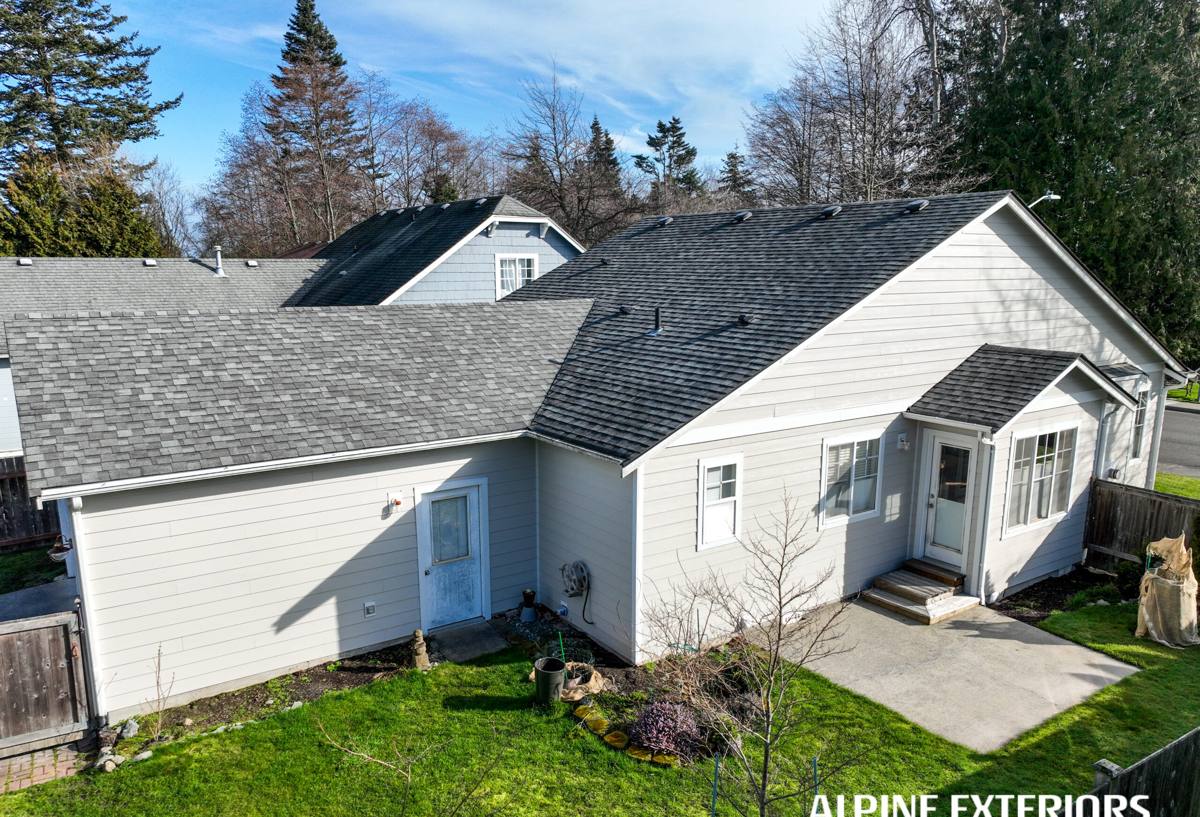
What Cortez Homes Face Season to Season
Salt Air and Corrosion
Airborne salt from the bay settles on every exterior surface — siding, trim, fasteners, window frames — and accelerates the breakdown of materials that aren't built to resist it. Over years, that shows up as pitting on metal components, chalking or fading on painted surfaces, and softening in wood or wood-composite products that absorb moisture more readily once their factory finish starts to degrade.
Wind and Wind-Driven Rain
Hurricane season brings sustained tropical-force winds and the kind of horizontal, wind-driven rain that finds every gap in a building envelope. Siding that isn't installed with the right fastening pattern, flashing, and clearances can let water behind the cladding — and once moisture gets trapped behind siding in a humid climate like this one, it doesn't dry out quickly.
Year-Round UV
Florida's UV load is intense for most of the year, not just in summer. Paint film breaks down, caulk joints dry out and crack, and lower-quality siding substrates can warp or delaminate under repeated heat-and-sun cycling. A finish that looks fine on day one needs to hold its color and integrity through a decade of Gulf Coast sun to actually be worth installing.
Humidity
Between the bay, the Gulf, and Florida's general climate, Cortez sees high ambient humidity most of the year. That's a slow, constant stress on any material that can absorb water — it's less dramatic than a hurricane but arguably harder on a home over time.
Why Fiber Cement Outperforms the Alternatives Here
Homeowners in Cortez are typically choosing between a few siding categories. Here's an honest comparison of how each one holds up in a salt-air, high-UV, hurricane-exposed environment:
| Material | Salt Air / Moisture | Wind Resistance | UV / Color Stability | Long-Term Maintenance |
|---|---|---|---|---|
| Vinyl siding | Doesn't corrode, but can become brittle and crack over time | Prone to cracking or blowing off panels in sustained high wind | Fades and chalks; dark colors absorb heat and warp | Low upfront effort, but panels are hard to color-match after damage |
| Wood / cedar | Absorbs moisture readily; vulnerable to rot near the coast | Structurally sound but finish fails faster in wind-driven rain | Needs repainting or restaining every few years | Highest ongoing maintenance of the common options |
| Engineered wood (e.g., LP SmartSide) | Engineered to resist moisture better than raw wood, but edges and cut ends remain a vulnerability if not sealed and maintained | Generally solid when installed to spec | Holds paint well if maintained on schedule | Requires consistent caulk and paint upkeep to protect the wood-strand core |
| James Hardie fiber cement | Non-combustible, engineered for moisture and humidity resistance; HZ5 line is formulated for Florida's climate | Rated for high-wind installations when installed per manufacturer spec | Factory-applied ColorPlus finish is baked on and warrantied against fading | Occasional rinse and inspection; no repainting cycle in most cases |
None of these products are inherently "bad" — vinyl and engineered wood both have a place, and plenty of homes around the country are sided in them successfully. But for a home a few blocks from Sarasota Bay, taking direct salt air and the occasional hurricane, we've found the trade-offs on maintenance burden and moisture sensitivity aren't ones we're willing to install and stand behind. That's why our company installs James Hardie fiber cement exclusively.
Our James Hardie-Only Standard
James Hardie is fiber cement — a mix of cement, sand, and cellulose fibers — not plastic and not wood. That composition is what gives it its core advantages for a coastal Florida property:
- Non-combustible. Fiber cement doesn't contribute fuel to a fire, which matters for both safety and, in many cases, insurance considerations.
- Climate-engineered product lines. Hardie's HZ5 formulation is specifically engineered for hot, humid, moisture-prone climates like Florida's — it's not a one-size-fits-all product shipped to every region the same way.
- ColorPlus factory finish. The color is baked on in a controlled factory process rather than field-painted, which gives more consistent coverage and a stronger bond than most site-applied paint jobs.
- Strong transferable warranty. Hardie backs its siding with a warranty that can transfer to a future owner, which matters for resale in a market where buyers are increasingly asking what the exterior is made of.
- Proven longevity when installed correctly. Fiber cement has decades of real-world performance data in coastal and hurricane-prone regions, not just lab testing.
That last point comes with a real caveat: fiber cement only performs as advertised when it's installed to manufacturer spec — correct fastener spacing, proper clearances from grade and roof lines, and flashing detailed to shed wind-driven rain. Poor installation is the single biggest reason any siding product underperforms, Hardie included. That's part of why we treat installation quality, not just material choice, as core to the job.
Full Exterior Services for Cortez Homeowners
Siding rarely fails in isolation from the rest of the building envelope. We handle the full exterior for Cortez properties:
Siding
James Hardie lap siding, panel siding, and trim, installed to withstand Gulf Coast wind and moisture exposure.
Roofing
A roofing system that's failing or has deteriorated flashing undermines even a well-installed siding job, since water intrusion at the roofline will find its way down behind the wall assembly. We assess roof condition as part of any siding project.
Windows
Window flashing and seals are one of the most common failure points for water intrusion during wind-driven rain. Replacing worn windows alongside siding work lets us integrate the flashing properly instead of patching around old, failing seals.
Decks
Outdoor living is part of daily life this close to the water, and decks take their own beating from sun, humidity, and salt exposure. We build and repair decks designed to hold up to the same conditions the siding has to survive.
What a Cortez Installation Looks Like
Every property is different, but a typical project follows the same general sequence:
- On-site assessment. We look at the current siding, trim, flashing, and any signs of past water intrusion before recommending a scope of work.
- Tear-off and substrate check. Removing old siding lets us inspect the sheathing underneath for hidden moisture damage before anything new goes up.
- Weather barrier and flashing. Proper house wrap and flashing detail around windows, doors, and roof lines is what actually stops wind-driven rain — this step matters more than the siding material itself.
- James Hardie installation to spec. Correct fastener type, spacing, and clearances, following Hardie's published installation requirements for the region.
- Final inspection and walkthrough. We review the finished work with the homeowner before calling the job complete.
Maintenance in a Salt-Air Environment
One advantage of switching to fiber cement is how little upkeep it demands compared to what most Cortez homeowners are used to. Still, a coastal property benefits from a simple seasonal routine:
- Rinse siding periodically to remove accumulated salt residue, especially on sides of the home facing the bay or open water
- Walk the exterior after any significant storm and look for loose trim, damaged flashing, or gaps around windows and doors
- Keep gutters clear so water sheds away from the siding instead of running down the wall face
- Check caulk joints around windows, doors, and penetrations annually and re-seal any that have dried out or cracked
- Trim back vegetation and irrigation spray that keeps siding constantly damp in one spot
Cost Factors for a Cortez Project
Every home is different, but these are the main variables that affect what a siding, roofing, window, or deck project runs:
| Factor | Why It Matters |
|---|---|
| Home size and complexity | More square footage, corners, and rooflines mean more material and labor |
| Current condition | Hidden rot or water damage found during tear-off adds repair scope before new siding goes up |
| Siding profile and trim details | Board width, trim style, and accent details affect material and installation time |
| Scope | Siding-only work costs differently than a combined siding, roofing, and window project |
| Access | Waterfront lots, tight setbacks, or limited driveway access can affect staging and labor |
We don't publish blanket pricing because it would be misleading — the honest answer depends on your specific home. What we can say is that a proper James Hardie installation is a long-term investment against the exact conditions Cortez homes face: salt air, humidity, UV, and hurricane wind.
Why a Local Manatee County Crew Matters
A crew that works this coastline regularly knows what actually happens to an exterior here versus what happens on a home fifty miles inland. We see which flashing details hold up through hurricane season and which ones don't, which siding jobs are still looking sharp five years later, and which corners — cut by other contractors — tend to show up as callbacks. Being based in Bradenton also means we're accountable locally: if something needs a follow-up visit, we're not driving in from out of state.
If you're weighing a siding, roofing, window, or deck project for a home in Cortez, we're glad to take a look and give you a straightforward, no-pressure estimate — use the form below to get started.