 Bradenton Siding
 Siding Built for Cortez's Working Waterfront
Cortez sits closer to open salt water than most of Bradenton, and that changes what a house needs from its exterior. This is a low-lying, historic fishing community wrapped by Sarasota Bay and the Intracoastal Waterway, and homes here take a steadier beating from moisture and salt than siding just a few miles inland. We install James Hardie fiber cement siding throughout Manatee County, and Cortez is one of the areas where the difference between a correct installation and a rushed one shows up fastest — sometimes within a single storm season.
This page covers fiber cement siding specifically for Cortez homes: what the local climate demands, what a correct installation actually involves, and why working with a crew that already understands this stretch of waterfront matters more here than in a typical subdivision job.
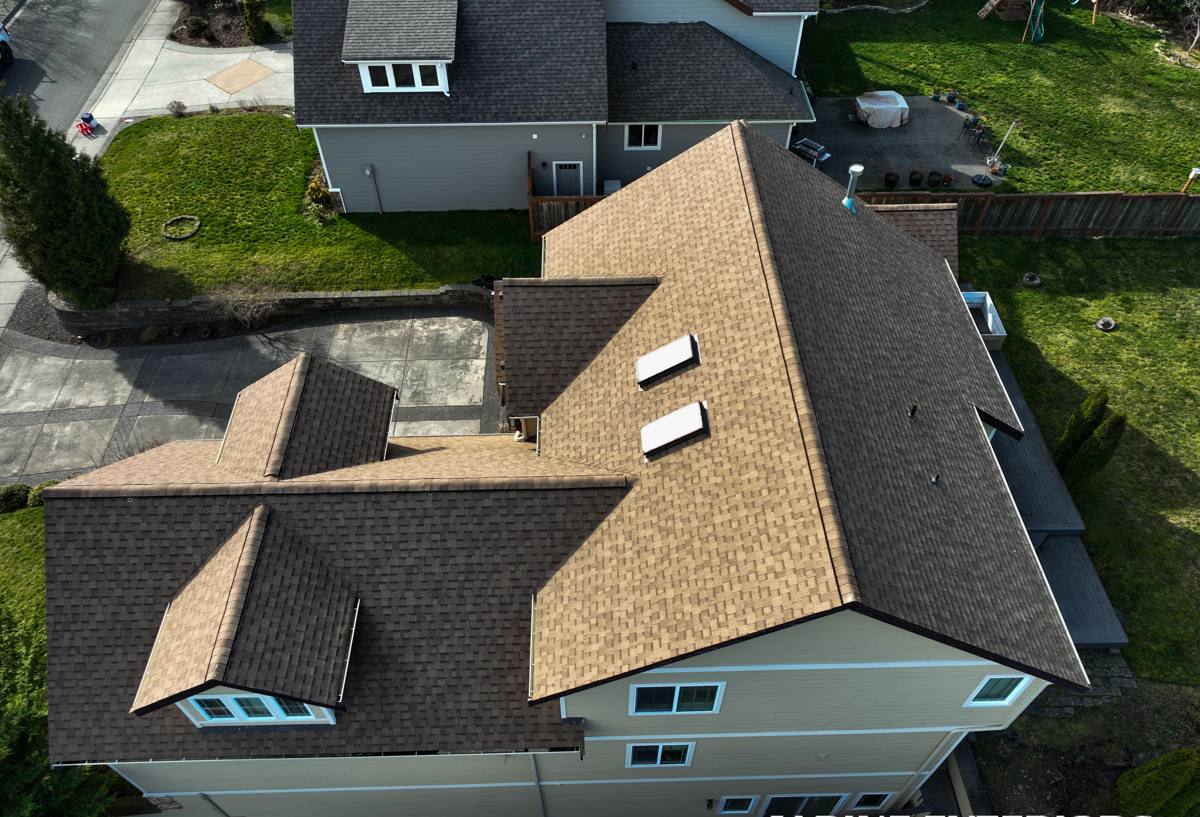
What Cortez's Climate Actually Does to Siding
Every coastal Florida community deals with heat, humidity, and storms. Cortez deals with all of that plus near-constant proximity to salt water, which accelerates almost every failure mode a siding product can have.
Salt Air and Airborne Moisture
Salt-laden air corrodes exposed metal fasteners, degrades cheap caulks and sealants faster than inland products, and keeps humidity levels elevated around the building envelope even on dry days. Siding materials that rely on paint film alone for protection — or that swell and hold moisture at the core — lose ground quickly in this kind of environment.
Hurricane-Force Wind
Cortez's open exposure to the Bay means wind loads during tropical storms and hurricanes aren't theoretical. Fastening pattern, panel overlap, and the actual wind rating of the siding product all matter more here than they would on a sheltered inland lot. Siding that isn't rated or installed for the wind zone can loosen, lift, or fail outright during the storms this area sees on a near-annual basis.
Wind-Driven Rain
Rain that comes in sideways during a squall finds every gap a normal rainstorm would miss. Flashing details, house wrap integration, and butt-joint treatment aren't cosmetic choices in Cortez — they're the difference between a wall assembly that sheds water and one that traps it behind the siding.
Year-Round UV Exposure
Florida's UV load is intense for most of the year, and it doesn't let up in winter the way it does farther north. Paint finishes that aren't engineered for this exposure chalk, fade, and crack years before a homeowner expects to repaint — which then opens the door to moisture intrusion at every hairline crack.
Why We Only Install James Hardie in This Area
We don't install vinyl, LP SmartSide, primed wood, Cemplank, or Allura. That's a deliberate standard, not a sales pitch, and it matters even more in a community like Cortez than it does elsewhere in Bradenton.
James Hardie fiber cement is cement-based, not wood-based, so it doesn't absorb moisture and swell the way engineered wood products can, and it doesn't soften or distort in prolonged humidity the way vinyl can under direct sun and heat. It's also non-combustible, which matters for insurance conversations and peace of mind alike. For a waterfront community, the practical advantages are what count: a material that holds its shape, holds its fastener, and holds its finish through salt exposure, wind events, and year-round sun.
HZ5 Engineering for Humid, High-Exposure Climates
James Hardie engineers its HZ product lines for specific climate zones, and Gulf Coast Florida falls into the higher-exposure category. That means the product itself — not just the installation — is formulated with this region's humidity and moisture load in mind. It's one reason we don't substitute a cheaper fiber cement alternative: the engineering behind the product is part of what you're paying for.
ColorPlus Factory Finish
Field-painted siding is only as good as the paint job and the maintenance schedule behind it. ColorPlus is a factory-applied, baked-on finish that resists the fading and chalking that intense Florida UV causes in ordinary paint, and it carries its own finish warranty separate from the substrate warranty. In a sun-heavy environment like Cortez, that's a meaningful difference over a 10- to 15-year horizon.
What a Correct Installation Involves
Fiber cement siding is only as good as the installation underneath it. A rushed or generic install can undercut even the best product, especially in a wind- and moisture-exposed area like Cortez.
- Proper water-resistive barrier and house wrap integration behind the siding, with correct lapping so water sheds outward, not inward
- Flashing at every window, door, and roof-to-wall transition — the points where wind-driven rain finds its way in first
- Correct fastener type and spacing for coastal wind exposure, following the manufacturer's fastening schedule rather than a generic pattern
- Proper clearance between the bottom of the siding and grade, roofing, decks, or patios to avoid wicking moisture from below
- Caulking only where James Hardie specifies it — over-caulking traps moisture just as much as under-caulking lets it in
- Correct panel and joint treatment at butt joints and corners, which are the most common failure points on a poorly installed job
None of these steps are optional extras. They're the baseline for a siding job that's actually built for this location, not just siding that looks right on install day.
Our Process for a Cortez Job
Every job starts with a walk-around of the existing exterior — not just the siding itself, but the sheathing, trim, and flashing details underneath it, since those are usually what determine whether a home is ready for new siding or needs repair work first. From there:
- Assessment and measurement — we look at wall conditions, existing damage, window and door details, and any moisture issues already present.
- Product and detail plan — we spec the right Hardie product line, profile, and color, and plan out flashing and fastening details for the specific exposure of the home.
- Removal and substrate prep — old siding comes off, damaged sheathing gets addressed, and the wall is prepped correctly before anything new goes up.
- Installation to manufacturer spec — fastening, flashing, and clearances are done to James Hardie's published requirements for this wind and humidity zone, not shortcuts.
- Final walkthrough — we go over the finished exterior with the homeowner and confirm everything meets the standard we install to.
Why Local Experience in Cortez Specifically Matters
Cortez isn't a typical inland subdivision, and homes here vary — from older waterfront cottages to newer builds — each with different substrate conditions, elevation considerations, and exposure angles to the Bay. A crew that's worked this specific stretch of Manatee County knows what to expect before the first panel comes off: where salt corrosion tends to hit hardest, which wall orientations catch the worst wind-driven rain, and how Manatee County's permitting and wind-load requirements apply to a job this close to open water. That local familiarity shortens the guesswork and reduces the chance of surprises once the old siding is off the wall.
Cost Factors for Cortez Siding Projects
Every home is different, and we don't publish fixed pricing because wall condition, home size, and product selection all move the number. The factors below are the ones that typically matter most for a Cortez job.
| Factor | Why It Affects Cost |
|---|---|
| Substrate condition | Water-damaged or rotted sheathing found during tear-off adds repair work before new siding can go on |
| Home size and wall complexity | More corners, gables, and window/door openings mean more flashing detail and labor time |
| Hardie product line and profile | Lap siding, shingle-style panels, and trim boards carry different material costs |
| ColorPlus vs. field-applied finish | Factory finish adds cost up front but removes a repaint cycle from the maintenance schedule |
| Access and site conditions | Waterfront lots, tight setbacks, or limited equipment access can affect labor time |
Maintaining Fiber Cement Siding in a Salt-Air Environment
James Hardie siding is low-maintenance, not no-maintenance. In a coastal community like Cortez, a little regular attention goes a long way toward protecting the investment.
- Rinse siding periodically with fresh water to clear accumulated salt residue, especially on walls facing open water
- Inspect caulking annually at joints, trim, and penetrations, and have any cracked or missing caulk addressed promptly
- Keep irrigation heads and sprinklers from spraying directly on siding, which can cause localized mineral staining over time
- Watch for any soft spots, staining, or discoloration near the bottom courses, which can indicate a drainage or clearance issue
- Have storm-related impacts inspected even if damage isn't visible from the ground, since wind and debris can loosen fasteners without obvious signs
What to Expect From an Estimate
If your Cortez home needs new siding, is showing early signs of moisture or storm damage, or you're simply planning ahead, we're glad to take a look and walk you through what we see — no pressure, no obligation. Reach out below for a free estimate, and we'll give you a straight assessment of your home's exterior and what it would take to get it done right.