 Bradenton Siding
 Decking Built for a Bayshore Gardens Backyard, Not a Showroom
Bayshore Gardens sits close to Sarasota Bay, which means the outdoor living spaces here take a different kind of beating than a deck built inland. Between the salt-laden air blowing off the water, the long stretch of intense Florida sun this neighborhood gets almost every day of the year, and the wind-driven rain that shows up with every serious storm, a deck here is working harder than the marketing photos ever show. We build and replace composite decks for Manatee County homeowners who want something that looks good in year three the same way it looked in month one — not a project that needs board replacements and re-staining before the warranty is even relevant.
This page is specifically about composite decking for homes in and around Bayshore Gardens. It is not a generic decking overview. It covers what this climate actually does to a deck, what a correctly built one involves, and why local experience on this exact ground matters more than a lot of homeowners realize until something goes wrong.
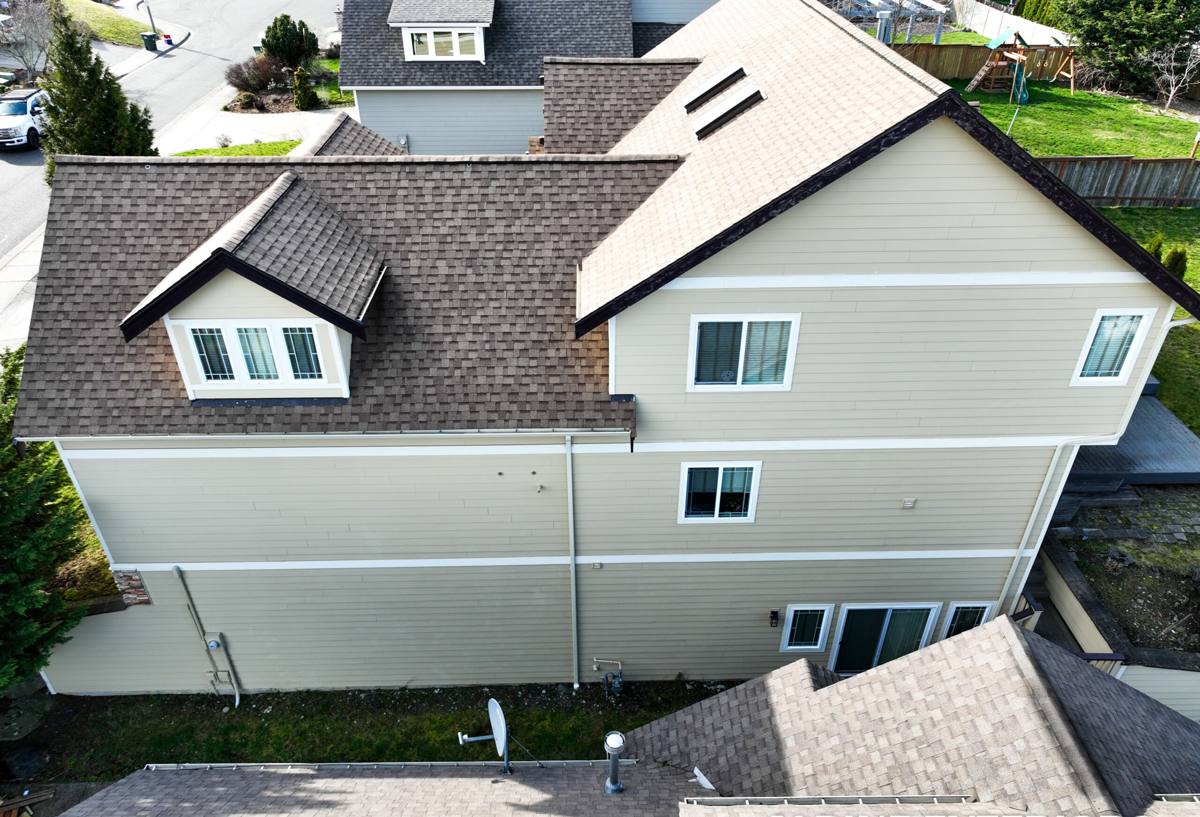
What This Climate Actually Does to a Deck
Salt Air and Corrosion
Proximity to the bay means airborne salt settles on everything outdoors, including the deck itself and every piece of hardware holding it together. Salt accelerates corrosion in fasteners, brackets, and structural connectors far faster than it would twenty miles inland. A deck can look fine on the surface while the hardware underneath is quietly rusting away. This is one of the most common reasons we get called out to inspect an older deck that "just doesn't feel right" anymore.
UV Exposure, Nearly Year-Round
Bradenton doesn't get a real off-season for sun. UV breaks down lower-grade composite material over time, causing fading, chalking, or a rougher surface texture — especially on boards that face west or get full afternoon sun with no shade structure overhead. Dark-colored boards also absorb more heat, which matters if you or your family walk on the deck barefoot.
Wind-Driven Rain and Moisture Cycling
Hurricane season brings more than wind. Wind-driven rain gets pushed sideways and upward into gaps, ledger connections, and under railings in a way that ordinary rainfall doesn't. Combined with Florida's humidity, a deck here goes through constant wet-dry cycling. Composite decking resists rot far better than wood, but only if the substructure underneath, the fasteners, and the drainage details are handled correctly — the decking boards are only one part of the system.
What a Correct Composite Deck Build Involves
A composite deck is only as good as what's underneath it. We see plenty of decks around Manatee County where the boards themselves are fine, but the build underneath was never suited for this environment. A correct build for this area includes:
- Corrosion-resistant structural hardware and fasteners rated for coastal or high-moisture use, not standard interior-grade hardware
- Proper joist spacing and blocking sized to the specific composite board being installed, since composite spans differently than wood
- Ledger board flashing and attachment that keeps wind-driven rain from working its way into the house structure
- Adequate ventilation and clearance underneath the deck so moisture doesn't get trapped against the framing
- Hidden fastener systems installed correctly so boards can expand and contract with heat without buckling or gapping
- Footings and post spacing that account for Florida wind-load requirements, not just weight loading
Skipping any one of these doesn't usually cause an obvious problem on day one. It shows up two or three years later as squeaking, soft spots, corroded connectors, or boards that have shifted out of alignment — right around the time a homeowner assumed the deck was maintenance-free.
Choosing the Right Composite Board for a Bayshore Gardens Property
Capped vs. Uncapped Composite
Capped composite boards have a protective outer shell bonded around a composite core, which gives significantly better resistance to moisture absorption, staining, and UV fading than uncapped composite. Given the salt air and sun exposure in this neighborhood, we generally steer homeowners toward fully capped boards for anything near the water or in full sun. Uncapped composite can still be appropriate in shaded or covered areas, but it's a trade-off worth understanding upfront rather than discovering later.
Color and Heat
Lighter and mid-tone board colors reflect more heat, which makes a real difference on an uncovered deck during a Florida summer afternoon. Darker boards look great in photos but can get uncomfortably hot underfoot. We talk through this with every homeowner before ordering material, since it's an easy detail to overlook until you're standing on the finished deck in July.
Board Profile and Grip
Wind-driven rain means a deck surface gets wet more often here than in drier climates. We favor board profiles with textured, slip-resistant surfaces, particularly near stairs, pool decks, or areas that stay shaded and slower to dry.
Composite vs. the Alternatives, Honestly
We install composite decking because, for most Bayshore Gardens homes, it's the most sensible long-term balance of durability and upkeep in this climate. That said, every material has trade-offs worth knowing before you decide.
| Factor | Composite Decking | Pressure-Treated Wood | PVC Decking |
|---|---|---|---|
| Upfront cost | Moderate to higher | Lowest | Highest |
| Salt air / moisture resistance | Strong (capped boards) | Weak without diligent upkeep | Very strong |
| Ongoing maintenance | Low | High — regular sealing and staining | Very low |
| Heat underfoot | Moderate, varies by color | Lower | Can run hot in dark colors |
| Typical lifespan with proper install | 25+ years | 10-15 years with upkeep | 25-30+ years |
| Warranty structure | Manufacturer-backed, often prorated | Limited or none on the wood itself | Manufacturer-backed, often prorated |
Wood costs less to install but demands the most upkeep — a real consideration when salt air and humidity are working against you every day of the year. PVC performs similarly to high-end composite in moisture resistance but typically costs more upfront. For most homeowners in this neighborhood, capped composite lands in the sweet spot: durable enough for the coastal exposure, without the recurring maintenance burden of wood.
Our Process for Bayshore Gardens Composite Decking Projects
- On-site evaluation. We look at sun exposure, drainage, proximity to the water, existing structure condition if it's a replacement, and how the space will actually be used.
- Material selection. We walk through board options, colors, and profiles based on your sun exposure and budget — no pressure toward the most expensive option if it isn't the right fit.
- Permitting. We handle the Manatee County/City of Bradenton permitting process where applicable, including structural requirements tied to wind load.
- Demolition and substructure build. Any existing structure is removed and the framing is built or reinforced to spec, using corrosion-resistant hardware throughout.
- Decking installation. Boards are installed with correct spacing for thermal movement, proper fastening, and attention to drainage and airflow underneath.
- Final walkthrough. We inspect the finished deck with you, cover basic care, and confirm everything meets code and manufacturer installation requirements for warranty coverage.
Permitting and Wind-Load Requirements
Manatee County and the City of Bradenton both require permits for new deck construction and most deck replacements, and structural elements need to meet Florida's wind-load provisions given how exposed this area is to tropical storms and hurricanes. This affects footing depth, post spacing, and how the deck ties into the home. Skipping the permit process might save time upfront, but it creates real problems at resale, with insurance, and — most importantly — with whether the structure actually holds up in a storm. We pull the required permits as part of the job rather than leaving that step to the homeowner.
Maintaining a Composite Deck in a Salt Air, High-UV Environment
Composite decking is low-maintenance, not no-maintenance, especially this close to the bay. A little regular attention goes a long way:
- Rinse the deck surface periodically to clear off salt residue, pollen, and organic debris before it builds up
- Clean spills promptly, particularly from grilling, sunscreen, or citrus, which can stain some board finishes
- Check hardware, railings, and stair connections once or twice a year for early signs of corrosion
- Keep gutters and nearby drainage clear so water isn't funneling directly onto or under the deck
- Inspect the underside of the deck after major storms for debris buildup or standing water
- Trim back plants or landscaping that trap moisture against the deck surface or substructure
Why a Local Crew Matters for This Neighborhood
Decking crews that don't regularly work this close to Sarasota Bay tend to build the way they would anywhere else — because that's what they know. That's how you end up with standard interior hardware on a deck exposed to salt air, or a substructure that wasn't planned around Florida wind-load rules. We work on homes throughout Bradenton and Manatee County, including Bayshore Gardens, and we build every deck around what this specific environment does to a structure over time, not around a generic install checklist. That local knowledge is the difference between a deck that needs attention in year three and one that's still solid well past year ten.
If you're considering a new composite deck or need to replace an aging one, we're happy to take a look and walk you through honest options for your property. Use the form below to request a free, no-pressure estimate — there's no obligation, just a straight assessment of what your deck needs.