 Bradenton Siding
 Why Braden River Roofs Wear Out Faster Than People Expect
Braden River sits inland from the Gulf but that doesn't spare it from what Manatee County weather does to a roof year-round. Homes here deal with the same hurricane-force wind loads as the rest of the county's building code zone, plus intense subtropical sun, wind-driven rain that finds every weak seam, and salt-laden air that drifts in off the coast and settles on everything, including your shingles and flashing. Add in the humidity and tree canopy that come with living near the water, and you get roofs that grow algae and hold moisture longer than roofs in drier inland areas.
None of that means a roof in Braden River is doomed to fail early. It means the installation has to be done correctly the first time, with materials and details chosen for this specific climate rather than a generic spec. That's the difference between a roof that needs attention every storm season and one you can stop thinking about for two decades or more.
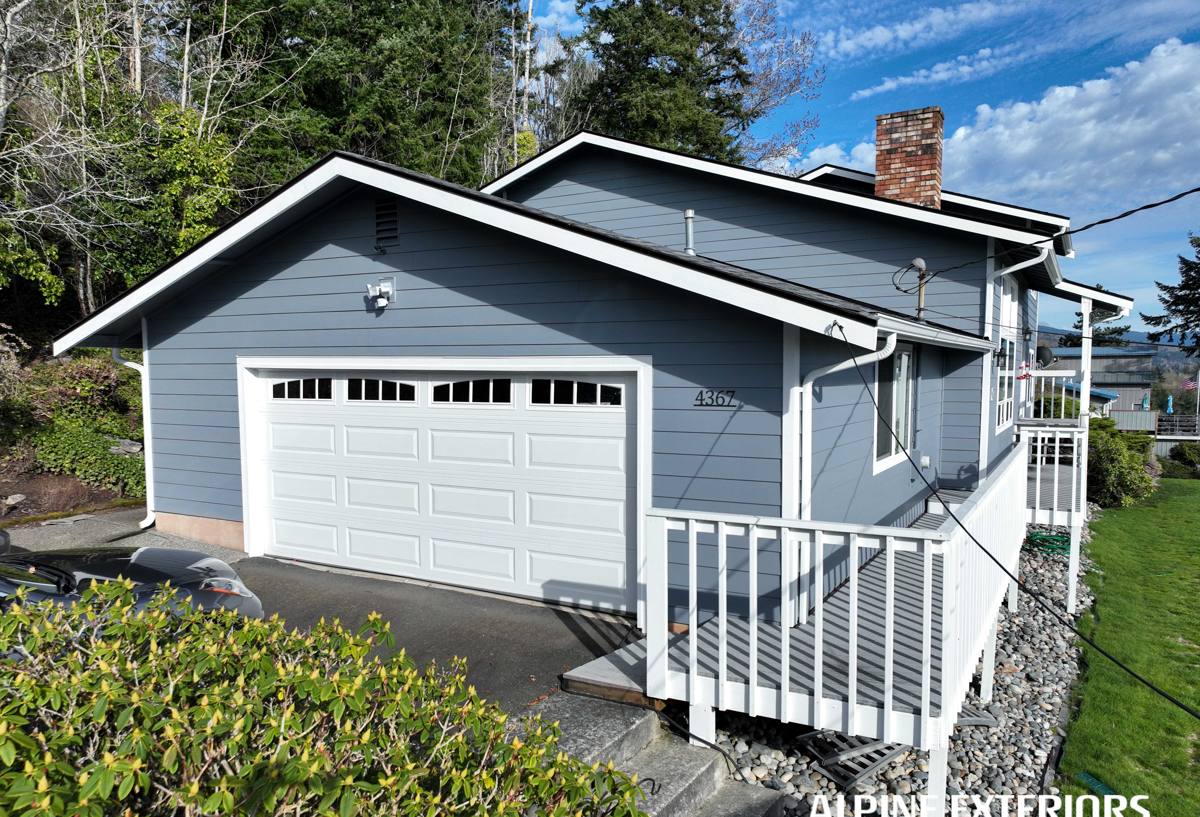
Signs a Braden River Home Needs a New Roof, Not Another Repair
Repairs make sense when the damage is isolated and the roof underneath is still sound. Replacement makes sense when the roof as a whole has aged out or been compromised in more than one place. A straightforward inspection can usually tell you which situation you're in, but these are the signs we look for first:
- Shingles that are curling, cupping, or losing their granules in patches rather than just at one spot
- Soft spots or noticeable sagging anywhere on the roof deck
- Daylight visible through the attic roof boards, or damp insulation after rain
- Repeated leaks in different locations, even after past patch jobs
- Streaking, dark staining, or moss/algae growth that keeps coming back after cleaning
- A roof that's 18-25 years old (typical asphalt shingle lifespan) and has never been fully replaced
- Visible storm damage: creased shingles, exposed nail heads, or missing tabs after high wind
If you're seeing two or more of these, a full replacement is usually the more honest recommendation than another round of patching.
What Florida Building Code Requires in Manatee County
Wind Rating and Fastening
Manatee County falls within Florida's high-velocity wind design requirements, which means every new roof has to meet minimum uplift resistance standards, not just look the part. That affects the nailing pattern, the number of fasteners per shingle, the underlayment type, and how the roof edge and ridge are finished. A roof installed to code minimums on paper but with a rushed nailing job is one of the most common reasons a roof that "should have" survived a storm doesn't.
Permits and Inspections
A full roof replacement in Manatee County requires a building permit and a final inspection before the job is considered complete. This isn't paperwork for its own sake — it's a second set of eyes confirming the deck, underlayment, and fastening were actually done to code. Any contractor who suggests skipping the permit to save time or money is asking you to skip your own protection, and it can create real problems later with insurance claims or when you go to sell the house.
Roofing Material Options for Braden River Homes
There's no single "best" roofing material for every house — it depends on your roof's pitch, your budget, how long you plan to stay in the home, and how much upkeep you want to deal with. Here's how the common options compare for this climate:
| Material | Typical Lifespan | Wind Performance | Maintenance |
|---|---|---|---|
| Architectural (dimensional) asphalt shingle | 20-30 years | Strong when properly fastened; widely rated for high-wind zones | Low; periodic debris removal and gutter checks |
| 3-tab asphalt shingle | 15-20 years | Lower wind rating than architectural; less common on new installs here | Low, but shorter service life |
| Standing seam metal | 40-50+ years | Excellent; performs well in sustained high wind | Very low; occasional fastener/seam check |
| Concrete or clay tile | 50+ years | Good when installed with proper fastening system; individual tiles can crack from impact | Moderate; underlayment beneath tile typically needs replacement before the tile itself does |
For most single-family homes in Braden River, a high-quality architectural shingle rated for high wind offers the best balance of upfront cost, appearance, and durability. Metal is worth serious consideration if you're planning to stay in the home long-term and want to minimize future roofing decisions altogether.
Algae Resistance Matters More Here
Because of the humidity and tree cover common near the river, we lean toward algae-resistant shingle products for this area specifically. Standard shingles can develop the dark streaking that's actually algae growth, not dirt, within a few years in a shaded, humid setting. Algae-resistant granules cost a little more upfront but hold their appearance and value far longer in a spot like this.
What a Correct New Roof Installation Actually Involves
A new roof is more than shingles laid over the old ones. Done right, it's a full system, and every layer matters:
- Complete tear-off down to the deck — never installed over existing layers, which traps moisture and hides deck damage
- Deck inspection and repair — any soft, rotted, or delaminated plywood gets replaced before anything else goes down
- Synthetic or felt underlayment rated for the wind zone, installed with the correct overlap
- Ice-and-water style sealed underlayment at valleys, eaves, and any high-risk area for wind-driven rain intrusion
- Drip edge at all rakes and eaves to direct water away from the fascia
- Flashing around every penetration — chimneys, vents, skylights, wall intersections — new, not reused
- Proper attic ventilation so heat and moisture can escape rather than cook the underside of the new roof
- Correct fastening pattern matched to the wind zone, not just the manufacturer's minimum
Skipping or shortcutting any one of these is usually invisible from the ground and invisible for the first year or two — which is exactly why it's a problem. It shows up later as a leak, a wind failure, or a shortened lifespan, long after the crew that did it is gone.
Our Installation Process
1. Inspection and Estimate
We start by physically getting on the roof, not just looking at it from the driveway. We check the deck condition where accessible, note the current material and its age, and talk through what you actually need versus what's optional.
2. Material Selection
We walk through the tradeoffs — shingle grade, color, whether metal or tile makes sense for your situation — with straightforward pricing, not upsell pressure.
3. Permitting
We pull the required Manatee County permit before work begins and schedule the inspections that go with it, so the finished roof is documented as code-compliant.
4. Tear-Off and Installation
Full removal of the old roof, deck inspection with photos of any repairs needed, then underlayment, flashing, and the new roofing material installed to the wind-rated fastening spec.
5. Cleanup and Magnetic Sweep
Job site debris and nails are cleared and the property is swept with a magnetic roller — a step that matters if you have kids, pets, or park vehicles near the house.
6. Final Inspection and Warranty Paperwork
We coordinate the county's final inspection and provide the manufacturer and workmanship warranty documentation for your records.
Ventilation and Moisture: The Part Homeowners Rarely Ask About
A new roof can still perform poorly if the attic underneath it can't breathe. In a humid, tree-shaded area like Braden River, trapped attic heat and moisture accelerate shingle aging from underneath and can contribute to mold or wood rot that has nothing to do with the roof surface itself. Balanced intake and exhaust ventilation — ridge vents paired with soffit intake, sized correctly for your attic's square footage — is part of doing this job right, not an upsell. If your current attic is under-ventilated, we'll flag it as part of the estimate rather than let it undercut the new roof's lifespan.
Why Hiring a Crew That Already Works in Braden River Matters
Roofing rules and inspection expectations vary by county, and Manatee County's process isn't identical to the next county over. A crew that pulls permits and schedules inspections here regularly moves through that process without delays that stall your project. Just as important, a local crew has seen how roofs in this specific area age — which materials hold up to the humidity and salt air near the river, which ones don't, and where storm damage tends to concentrate on homes with this kind of tree exposure. That's knowledge you don't get from a crew passing through from out of the area for one job.
What Affects Your Project's Cost
Every roof is priced individually, but the factors that move the number are consistent:
- Total roof square footage and the number of facets/planes
- Roof pitch — steeper roofs take longer and require more safety setup
- Number of existing layers to remove
- Amount of deck repair needed once the old material comes off
- Material chosen (see the comparison above)
- Complexity of penetrations, valleys, and flashing details
Because deck condition often isn't fully known until tear-off, we build that possibility into the estimate conversation upfront rather than surprising you with it mid-project.
If your roof is showing its age or you just want an honest read on where it stands, we're happy to take a look. Request a free, no-pressure estimate using the form below and we'll walk the roof, answer your questions, and give you a straight assessment — no obligation either way.