 Bradenton Siding
 Exterior Work Built for Mill Creek, Not Just "Florida"
Mill Creek sits within Bradenton, in Manatee County, and like the rest of the Gulf Coast it takes a beating from the outside in. Homes here don't fail because the materials are bad on paper — they fail because those materials were never engineered for what Manatee County actually throws at a house year-round: sustained high humidity, intense UV exposure twelve months a year, wind-driven rain that finds every gap, and a steady dose of salt air pulled in off the Gulf and Tampa Bay. Add in the real possibility of hurricane-force wind events, and you have a climate that ages the wrong siding, roofing, or trim products fast.
We work this area regularly, which matters more than it sounds. A crew that's replaced siding, roofs, windows, and decks all over Bradenton knows which elevations of a Mill Creek home take the worst weathering, where moisture tends to collect around older construction details, and what actually holds up versus what just looks good on the day it's installed. That's the difference between a repair that lasts and one you're paying for again in five years.
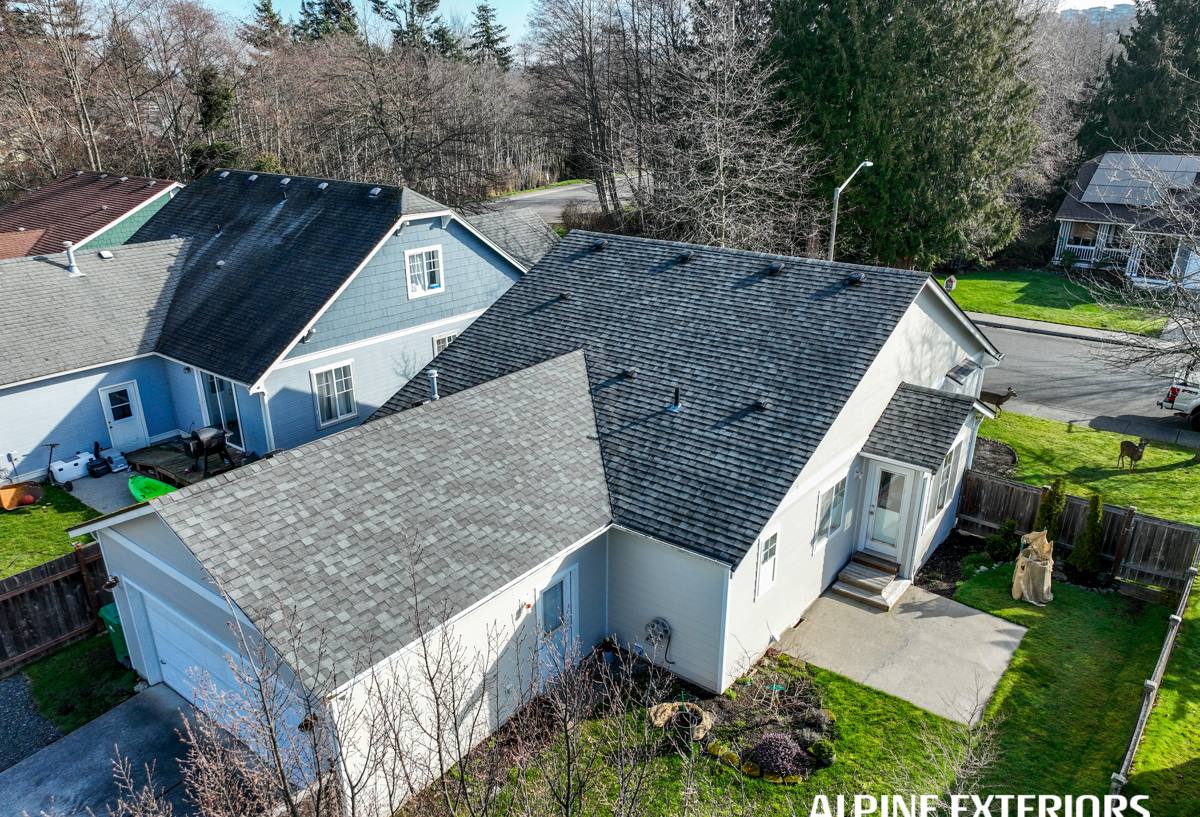
What Mill Creek's Climate Actually Does to a Home's Exterior
UV and Heat
Florida sun is relentless. Painted wood and many composite products chalk, fade, and become brittle under years of direct UV exposure. Caulk lines dry out and crack faster here than almost anywhere else in the country, which opens the door to water intrusion long before a homeowner notices a visible problem.
Wind-Driven Rain
It's rarely straight-down rain that causes damage — it's rain pushed sideways by wind, forced under laps, around trim, and into seams that were never meant to take on water from that angle. Products and installation details that work fine in drier, calmer climates often aren't built for this kind of sustained lateral moisture pressure.
Salt Air
Even set back from the water, Mill Creek gets salt-laden air carried inland from the Gulf and Bay. Salt accelerates corrosion of fasteners and metal components and speeds up the breakdown of finishes that aren't formulated to resist it. Over years, that adds up on unprotected or poorly finished materials.
Wind Load
Hurricane season isn't a once-a-decade event for planning purposes — it's an annual reality that has to be factored into every material choice and every installation detail, from fastening schedules to how trim is sealed at penetrations.
Siding: Why We Only Install James Hardie
We install James Hardie fiber cement siding exclusively. We don't install vinyl, LP SmartSide, Cemplank, Allura, or primed wood products like spruce or cedar — not because those products have no merit, but because after years of exterior work in this exact climate, we've made a professional judgment call about what actually holds up on the Gulf Coast without turning into a maintenance project for the homeowner.
- Vinyl can warp or become brittle under sustained heat and UV, and it offers little resistance in higher wind events compared to a mechanically fastened fiber cement system.
- LP SmartSide, Cemplank, and Allura are engineered wood or alternative fiber cement products with their own installation tolerances and moisture-management requirements; we simply have more confidence, track record, and factory-finish consistency with Hardie for this region.
- Primed spruce or cedar requires an ongoing paint and caulk maintenance cycle that most homeowners underestimate — and in high-UV, high-humidity conditions, that cycle comes around faster than expected.
James Hardie fiber cement is non-combustible, resists moisture-related swelling and rot far better than wood-based products, and comes from the factory with a ColorPlus finish baked on and warrantied — meaning the color coat isn't something painted on-site and left to weather unevenly. Hardie also engineers specific HZ5 product lines for high-humidity, storm-prone climates like ours, which is a meaningful distinction from a one-size-fits-all siding product.
Comparing Common Siding Options for This Climate
| Material | UV/Fade Resistance | Moisture Behavior | Wind Performance | Maintenance |
|---|---|---|---|---|
| James Hardie Fiber Cement | Strong (factory ColorPlus finish) | Resists swelling/rot | Engineered HZ lines for storm regions | Low |
| Vinyl | Fades/becomes brittle over time | Not a moisture concern itself, but seams can leak | Can deform or blow off in high wind | Low, but limited lifespan in this climate |
| LP SmartSide / Engineered Wood | Moderate, paint-dependent | Vulnerable at cut edges if not sealed | Adequate when installed to spec | Moderate |
| Primed Spruce/Cedar | Weak without regular repainting | Prone to swelling, rot at joints | Adequate, but material degrades faster | High |
Roofing for Mill Creek Homes
Your roof is the first thing exposed to wind uplift and driving rain, and it works hand-in-hand with your siding and trim to keep water out of the structure. We install and repair roofing systems built to handle Manatee County's wind and moisture demands, with attention to the details that actually determine whether a roof leaks under wind-driven rain: underlayment, flashing at penetrations, ridge and edge fastening, and proper ventilation to manage heat and humidity in the attic space. A roof that looks fine from the street can still have weak points at valleys, chimneys, or vent stacks — the kind of thing a thorough inspection catches before it becomes a ceiling stain.
Windows: Sealing Out Wind and Water
Windows are one of the most common places water finds its way into a home during a wind-driven rain event, because the seal around the frame takes on lateral pressure that a lot of installations were never detailed to handle. When we replace windows, we pay close attention to flashing and sealing at the rough opening — not just the window unit itself — because a quality window installed with a poor seal will still leak. For homeowners in this area, impact-resistant or storm-rated options are also worth discussing, both for storm protection and for the way they help manage UV heat gain through the day.
Decks: Built to Handle Sun, Salt, and Moisture
Outdoor living is a big part of why people choose the Bradenton area, and a deck here takes on a different set of stresses than one in a drier, cooler climate. Constant UV exposure fades and dries out untreated wood, humidity and afternoon rain keep moisture cycling through the boards, and salt air adds another layer of wear on fasteners and finishes. We build and repair decks with attention to proper fastening, drainage, and material choices suited to sustained sun and moisture exposure, so the deck holds up to actual daily use in this climate rather than just looking good when it's finished.
Why a Local Crew Matters in Mill Creek
A lot of exterior problems in this area aren't caused by one dramatic storm — they're caused by small installation shortcuts that don't show themselves until a few humid summers and a couple of wind events later. A crew that works this region regularly recognizes those shortcuts on sight: undersized flashing, caulk used in place of proper trim details, fastening patterns that don't account for local wind exposure. Knowing Manatee County's climate isn't a marketing line for us — it's what determines the fastening schedule, the flashing details, and the material choices on every job we take on here.
What to Check Before Hiring an Exterior Contractor Here
- Ask what siding, roofing, and window brands they install regularly, and why — a contractor who installs everything usually isn't specializing in what performs best locally.
- Confirm they carry proper licensing and insurance for exterior work in Florida.
- Ask how they handle flashing and sealing at windows, doors, and penetrations — this is where most water intrusion problems actually start.
- Get specifics on manufacturer warranty terms, including whether the warranty is transferable if you sell the home.
- Ask whether they've worked in your specific neighborhood and what climate-related issues they typically see there.
Cost Factors to Expect
Exterior project costs vary based on home size, current condition, and scope, but a few factors consistently move the number for Mill Creek homes specifically:
| Factor | Why It Matters Here |
|---|---|
| Extent of existing moisture damage | Humidity and wind-driven rain can cause hidden rot behind old siding or trim, adding repair scope |
| Wind rating requirements | Coastal wind zones may call for specific fastening or product ratings that affect labor and material cost |
| Number of window/door openings | Each penetration is a flashing and sealing point that adds labor time |
| Home elevation/exposure | South- and west-facing walls typically see more UV and rain exposure and may need more attention |
We walk every property in person before giving a number, because a phone estimate can't account for what's actually happening behind the existing siding or trim.
If you're in Mill Creek and dealing with worn siding, a roof that's due for attention, drafty or leaking windows, or a deck that's past its prime, we're happy to take a look. Reach out for a free, no-pressure estimate — we'll walk the property, tell you honestly what we see, and lay out your options.