 Bradenton Siding
 Metal Roofing Built for Mill Creek's Climate
Mill Creek homeowners deal with a specific combination of weather stress that most of the country never has to think about. Hurricane-force winds move through during storm season, the sun beats down on rooftops nearly every day of the year, wind-driven rain finds every gap in a roof system that isn't properly sealed, and salt air drifts in off the Gulf and works on exposed metal fasteners and flashing year-round. A roof in this neighborhood isn't just covering a house — it's the first line of defense against all four of those forces at once.
Metal roofing has become a popular answer to that problem, and for good reason. Done correctly, it holds up to wind uplift better than most other roofing materials, reflects heat instead of absorbing it, and sheds water fast during the kind of downpours Manatee County sees regularly. Done poorly — wrong fastener choice, wrong underlayment, panels not rated for local wind zones — it can fail in ways that are expensive to fix and hard to spot until water is already inside your attic.
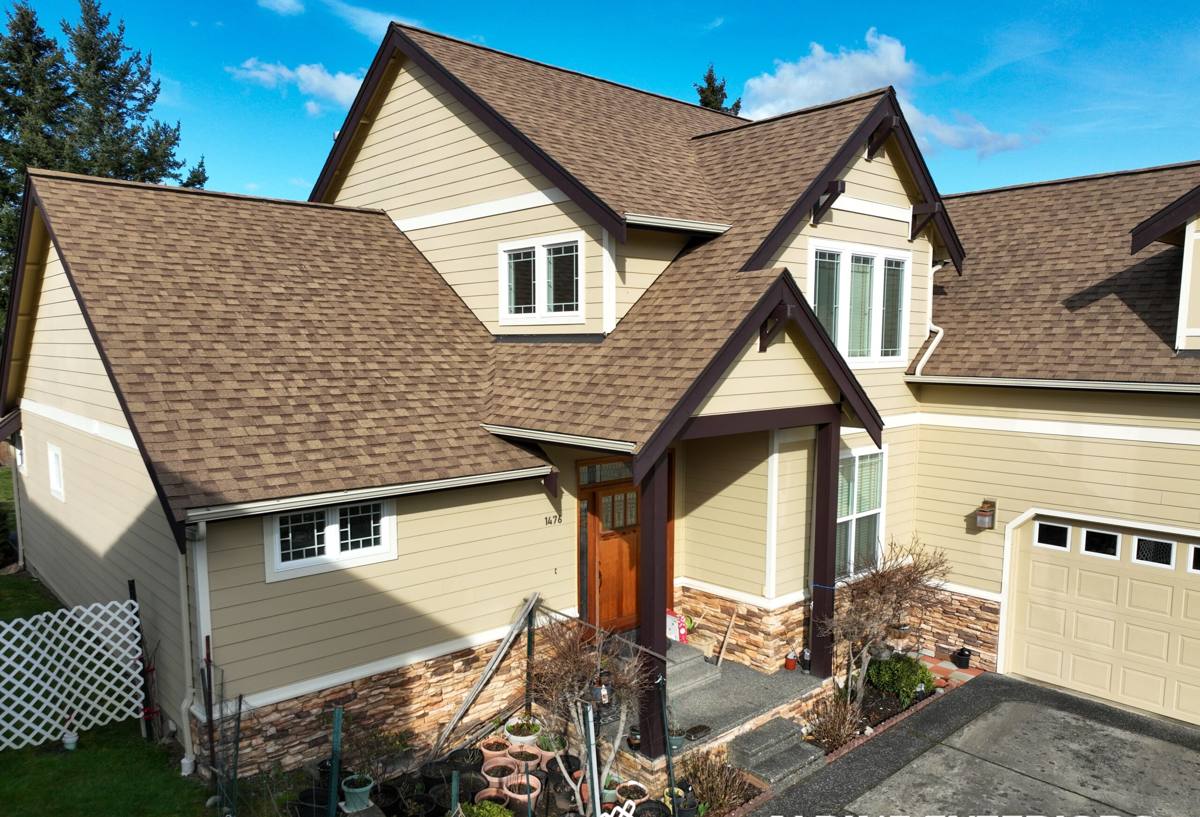
What Mill Creek Homes Actually Need From a Metal Roof
Not every metal roofing job is built the same, and the specs that matter in a low-wind, dry climate aren't the ones that matter here. For a Mill Creek home, we're looking at a few non-negotiables:
- Wind rating that matches Manatee County's requirements. Panels, clips, and fastening patterns all need to be rated for the uplift pressures this area actually sees, not a national minimum.
- Corrosion-resistant fasteners and flashing. Salt-laden air accelerates rust on standard steel hardware. Stainless or coated fasteners cost more up front but avoid the streaking, loosening, and leak points that cheap hardware causes within a few years.
- A sealed, storm-grade underlayment. The metal panel is only half the system. A self-adhering, high-temperature underlayment underneath is what actually keeps wind-driven rain out if a panel seam is ever tested by a sideways storm.
- Proper ventilation. Florida attic heat needs somewhere to go. A metal roof installed without adequate ridge or soffit ventilation traps heat and moisture instead of managing it.
Panel Types and What They're Actually Good For
"Metal roofing" covers a range of products, and the right choice depends on your roof's slope, your budget, and how the home is built. We walk Mill Creek homeowners through the real trade-offs rather than pushing one product for every job.
Standing Seam
Standing seam panels use raised, interlocking seams with no exposed fasteners on the visible surface. That's a real advantage in this climate — exposed screws are the first thing salt air and thermal cycling go after, and standing seam removes most of them from the weather side entirely. It's the option we recommend most often for full roof replacements in this area, particularly on homes with clean, simple rooflines where the panel runs can be long and continuous.
Exposed-Fastener Panels
These cost less to install and can be a reasonable choice on outbuildings, porches, or lower-budget projects. The trade-off is maintenance: exposed fasteners eventually need inspection and occasional replacement as gaskets age and salt air works on the screw heads. We're upfront about that maintenance burden before anyone commits to this option for a primary roof.
Stone-Coated Steel
This gives the visual profile of tile or shake with the wind performance of steel underneath. It's a good middle-ground option for homeowners who want a metal roof's durability without a fully industrial look, though it carries a higher material cost than standard panel profiles.
| Panel Type | Fasteners | Best For | Relative Cost |
|---|---|---|---|
| Standing Seam | Concealed | Full roof replacements, long clean runs | Higher |
| Exposed-Fastener | Visible, gasketed | Outbuildings, secondary roofs, budget projects | Lower |
| Stone-Coated Steel | Concealed | Homeowners wanting a tile/shake look | Highest |
How Metal Roofing Handles Manatee County Storm Season
Wind is the main event during storm season, but rain intrusion is what actually causes most of the damage claims we see. A properly installed metal roof resists both, but only if the whole system — panel, clip spacing, fastening pattern, underlayment, and flashing details around penetrations — is installed as a unit rather than assembled from whatever's on the truck. Roof penetrations like vents, chimneys, and skylights are where most leaks start, and they need custom-flashed details, not a generic boot pulled off the shelf.
We also pay close attention to how the roof edge and eaves are detailed. Wind doesn't just push down on a roof — it gets underneath the edge and pulls up. That uplift force is where a lot of storm damage originates, and it's addressed with proper edge metal and fastening spacing, not just a heavier panel.
Salt Air and Long-Term Corrosion
Homes closer to the coast, and Mill Creek is close enough to feel it, deal with airborne salt that settles on every exterior surface, including the roof. Over years, that salt accelerates corrosion on unprotected steel edges, fasteners, and flashing. This is why we don't cut corners on hardware grade for coastal-adjacent installs — a slightly higher material cost up front is far cheaper than replacing rusted fasteners or dealing with staining and leaks five years down the road. Regular rinsing of the roof surface during dry stretches also helps remove salt buildup before it has a chance to work on seams and fasteners.
UV Exposure and Heat
Florida sun is relentless, and it affects roofing materials differently depending on what they're made of. Metal roofing with a quality reflective coating handles UV exposure better than most alternatives — it doesn't crack, curl, or lose granules the way some other materials do under constant sun. The reflective coating also reduces how much heat the roof transfers into the attic, which can take real pressure off an AC system running through a Florida summer. Coating quality matters here: a cheap paint finish will chalk and fade faster than a proper baked-on finish designed for this level of UV exposure.
Our Installation Process
Every metal roofing project on a Mill Creek home follows the same sequence, because skipping steps is where problems start.
- On-site inspection and measurement. We assess the existing roof structure, decking condition, ventilation, and any problem areas before quoting anything.
- System selection. We walk through panel type, fastener grade, and underlayment options based on your roofline, budget, and how exposed the home is to wind and salt.
- Tear-off and decking check. Old roofing is removed and the decking underneath is inspected for rot or soft spots before anything new goes down — installing over a compromised deck is a mistake that shows up later as a leak.
- Underlayment and flashing. A storm-grade underlayment is installed first, with custom flashing at every penetration and roof transition.
- Panel installation. Panels go down with fastening patterns and clip spacing matched to local wind requirements, not a generic national spec.
- Final inspection and walkthrough. We check seams, flashing, and edge details, then walk the finished roof with you before calling the job complete.
Why Local Experience in Mill Creek Matters
A metal roof that performs well in a dry, low-wind climate isn't automatically built for what happens here. Contractors who work regularly in and around Bradenton and Manatee County know the wind-load requirements, the permitting process, and the specific ways salt air and storm exposure show up on roofs in this part of the county. That local knowledge shows up in details that aren't always visible from the ground — fastener spacing, flashing choices, and underlayment grade — but it's exactly what determines whether a roof holds up through its first real storm or needs repairs within a couple of years.
We also know that a metal roof rarely stands alone. It works alongside your siding, soffits, and fascia to keep wind and water out of the home, so we look at how the roof integrates with the rest of the exterior rather than treating it as an isolated project.
Questions to Ask Before Hiring a Metal Roofing Contractor
- Are fasteners and flashing rated for coastal salt exposure, or standard-grade hardware?
- What wind rating is the panel and fastening pattern actually certified for?
- Is the underlayment a storm-grade, self-adhering product or a basic felt layer?
- Will the decking be inspected and documented before new panels go down?
- Does the quote include custom flashing at every penetration, or generic boots?
- Is the contractor licensed and insured to work in Manatee County?
If you're weighing metal roofing for your Mill Creek home, we're glad to walk the roof, answer questions honestly, and put together a straightforward estimate — no pressure, no hard sell. Use the form below to get started.