 Bradenton Siding
 Siding Built for How Lakewood Ranch Actually Weathers
Lakewood Ranch sits inland from the immediate coastline, but "inland" in Manatee County doesn't mean sheltered. Homes here still take the full brunt of a Gulf Coast climate: long stretches of intense UV that bake exterior surfaces almost year-round, wind-driven rain that comes in sideways during summer storms, and the kind of tropical humidity that never really lets a house dry out between rain events. Add in the wind loads that come with hurricane season, and salt-laden air that carries further inland than most homeowners assume, and you have an exterior environment that is genuinely hard on building materials.
Siding in this area isn't just a cosmetic layer. It's the first line of defense against moisture intrusion, wind uplift, and UV degradation, and it has to keep working through all three at once, every year, not just during a bad storm season. That's the standard we install to.
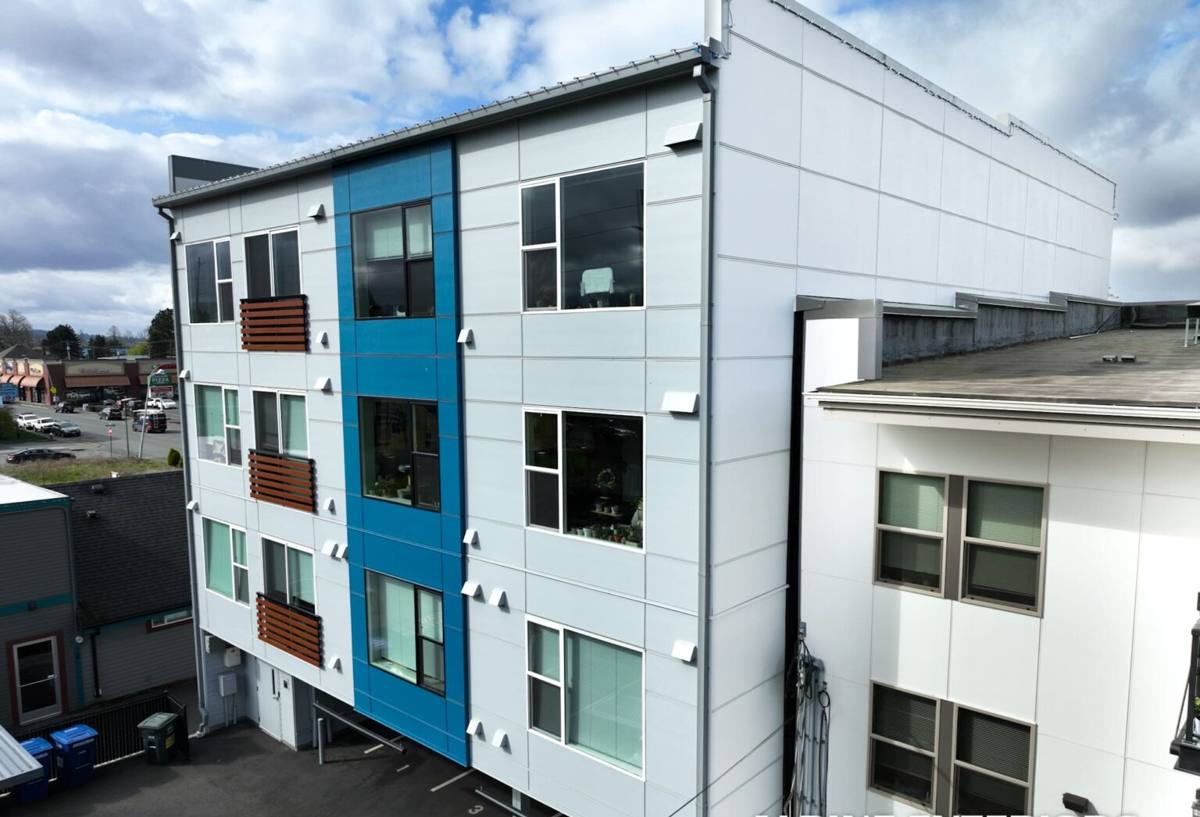
What Correct Siding Installation Actually Involves
A siding job is only as good as what's underneath it. Most siding failures we get called out to inspect in Manatee County didn't start with the siding itself — they started with a weather-resistive barrier that was installed wrong, flashing that was skipped or reversed, or fasteners driven at the wrong depth. On a Lakewood Ranch home, where wind-driven rain is a routine event rather than a rare one, these details decide whether a house stays dry for twenty years or starts showing water stains behind the walls in five.
The Layers That Matter
- A code-compliant weather-resistive barrier installed with correct overlaps, sealed at every penetration
- Properly flashed windows, doors, and any wall penetrations, integrated with the barrier — not just caulked over
- Correct fastener type, spacing, and depth for the specific siding product, following the manufacturer's installation instructions to the letter
- Proper clearance between siding and grade, roofing, decks, and other abutting surfaces so water has somewhere to go
- Caulking and sealant used only where the manufacturer specifies it, not as a substitute for correct flashing
None of this is visible once the job is finished, which is exactly why it matters who's doing the work. A siding installation can look perfect from the curb and still fail behind the wall if these steps were rushed or skipped.
Why We Install James Hardie Only
We made a decision years ago to standardize on James Hardie fiber cement siding exclusively. We don't install vinyl, LP SmartSide, Cemplank, Allura, or primed wood siding, and we're upfront about why: in a climate like Manatee County's, the trade-offs on those products — heat distortion, moisture-driven rot, coating and substrate sensitivity, or shorter effective service life under constant UV and humidity — aren't trade-offs we're willing to put our name behind.
James Hardie fiber cement is non-combustible, dimensionally stable under heat, and manufactured with the coastal Southeast in mind. The HZ5 product line in particular is engineered for high-moisture, freeze-adjacent climates, which covers the humidity and wind-driven rain profile Lakewood Ranch sees regularly. The factory-applied ColorPlus finish is baked on under controlled conditions and backed by its own finish warranty, which means the color coat isn't dependent on job-site weather or applicator skill the way field-applied paint is.
What This Means for a Lakewood Ranch Home
- A siding material that doesn't sag, warp, or expand under Florida's peak summer heat
- A factory finish designed to resist UV fade longer than field-painted alternatives
- A fiber cement substrate that doesn't feed rot or termites, both real concerns in this climate
- A transferable, manufacturer-backed warranty that holds up if the home changes hands
Our Process for a Lakewood Ranch Installation
Every job starts with an on-site inspection of the existing exterior — not a drive-by estimate. We're looking at the current siding or cladding, the condition of the sheathing underneath where accessible, the trim, window and door flashing, and any spots where past water intrusion has already left a mark. Many Lakewood Ranch neighborhoods also fall under HOA architectural review, so we factor color and profile approval timelines into the schedule from the start rather than surprising the homeowner later.
Typical Project Sequence
- On-site assessment and measurement, including a look at existing moisture damage if any is present
- Written scope and product selection — HZ5 panel, plank profile, or Hardie Shingle, depending on the home's style and the homeowner's goals
- HOA color/material submission where required, handled alongside the estimate so it doesn't stall the timeline
- Removal of old siding and inspection of sheathing, with repair of any compromised substrate before anything new goes up
- Installation of the weather-resistive barrier and flashing package, correctly lapped and sealed
- Hardie panel or plank installation per manufacturer fastening specs, with attention to clearances at grade, roofline, and trim
- Final walkthrough with the homeowner before we consider the job done
We don't skip the sheathing inspection step to save time. If we find soft or water-damaged sheathing behind old siding — which happens more often than homeowners expect on older Bradenton-area homes — that gets addressed before a single piece of new siding goes up. Installing new material over compromised substrate just hides the problem for a few more years.
Signs a Lakewood Ranch Home May Need New Siding
Most homeowners don't think about siding until something visible goes wrong, but by the time damage is visible from the curb, it's often been developing behind the wall for a while. Some patterns we see regularly on homes in this area:
- Soft or spongy spots on wood-based siding, especially near ground level or around window sills
- Visible cracking, buckling, or warping after repeated heat cycles
- Paint that's peeling or bubbling faster than a normal repaint cycle would explain — often a sign of moisture trying to escape from underneath
- Stains or discoloration streaking down from window heads or trim joints, a common sign of failed flashing
- Visible gaps opening up at seams, corners, or trim boards after a few storm seasons
Any one of these is worth a professional look before it turns into a sheathing or framing repair, which costs considerably more than a siding replacement caught early.
Cost Factors for a Lakewood Ranch Siding Project
Every home is different, and we don't quote sight-unseen, but the variables that move a siding project's cost are consistent enough to explain up front.
| Factor | Why It Matters |
|---|---|
| Home size and wall complexity | More square footage, corners, and roof intersections mean more material, cutting, and flashing detail |
| Current siding removal and disposal | Tear-off adds labor and disposal cost versus new construction |
| Sheathing condition | Rot or water damage found underneath must be repaired before new siding goes on |
| Hardie product line and profile | Plank, panel, and shingle profiles carry different material and labor costs |
| Trim and accessory scope | New trim boards, soffit, and fascia work add to the overall project |
| HOA-driven color or profile requirements | Lakewood Ranch's architectural guidelines can influence product selection and timeline |
We walk through each of these during the on-site estimate so the homeowner understands exactly what's driving the number, not just a bottom-line figure.
What to Check Before Hiring Any Siding Contractor
Siding installation is detail-sensitive work, and a poor installation can void the manufacturer's warranty even if the product itself is excellent. Before hiring anyone to work on a Lakewood Ranch home, it's worth confirming a few basics.
- Are they licensed and insured to do exterior work in Florida, and can they provide proof without hesitation?
- Are they a factory-trained or certified installer for the specific siding product they're proposing?
- Will they inspect the sheathing before installing new siding, not just cover what's there?
- Do they provide a written scope detailing flashing, fastening, and clearance details — not just a one-line "install siding" quote?
- Do they have direct experience with this area's HOA or architectural review process, if applicable?
- Is the warranty they're offering backed by the manufacturer, and is it transferable if you sell the home?
Why a Local Bradenton Crew Matters Here
Siding installation isn't one-size-fits-all across Florida, let alone across the country. A crew that works Manatee County regularly knows how the county's permitting and inspection process runs, understands the wind and moisture demands specific to this stretch of the Gulf Coast, and has likely already worked within Lakewood Ranch's HOA review process, which can catch homeowners off guard if they're not prepared for it. That local familiarity translates into fewer surprises mid-project and a finished product installed to match the conditions the home will actually face — not generic conditions from a different climate.
It also means accountability. A crew based in the Bradenton area isn't disappearing after the final invoice; if a warranty question or a post-storm concern comes up down the road, we're still local and reachable.
If you're considering new siding for a Lakewood Ranch home, we're happy to walk the exterior with you, point out anything we see, and put together a straightforward, no-pressure estimate. There's a form below to get that started.