 Bradenton Siding
 A Barrier Island That Tests Every Exterior
Longboat Key sits out on its own strip of land between Sarasota Bay and the Gulf of Mexico, straddling the Manatee and Sarasota county line. That location is exactly why homes there get more wear, faster, than similar homes just a few miles inland in Bradenton. Salt-laden air moves across the island constantly, sun exposure is nearly year-round and close to unobstructed, and when a tropical system tracks anywhere near the Gulf coast, Longboat Key is on the front edge of the wind and rain.
None of that is a reason to avoid building or renovating there — it's a reason to be deliberate about what goes on the outside of the house. Siding, roofing, windows, and decking on a barrier island property aren't just cosmetic choices; they're the difference between an exterior that holds up for decades and one that starts showing problems within a few storm seasons.
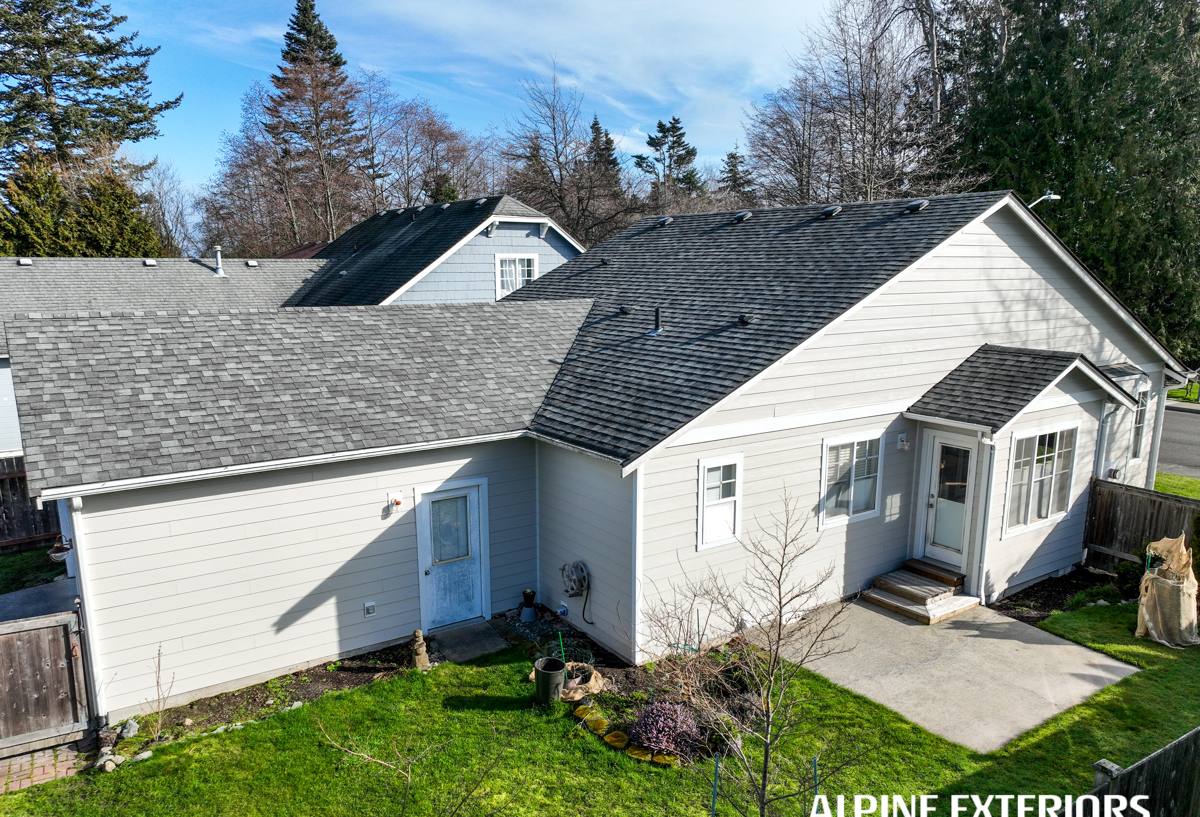
What Longboat Key's Climate Actually Does to a Home's Exterior
Salt Air
Airborne salt settles on every exterior surface, works into seams and fasteners, and accelerates corrosion and material breakdown in ways inland homes never experience. Products that aren't formulated or fastened to resist that exposure tend to fail early — swelling, corroding, or losing their finish well ahead of schedule.
Wind-Driven Rain
It's rarely just rain on the coast — it's rain pushed sideways under pressure. That matters because a siding system's real test isn't whether it repels water falling straight down, it's whether the assembly behind it (house wrap, flashing, laps, fastening pattern) keeps wind-driven moisture from getting behind the cladding in the first place.
Intense, Near-Constant UV
Longboat Key gets long stretches of direct sun with little tree canopy interruption on many lots, especially on Gulf-facing homes. UV breaks down pigments and surface coatings over time, which is why factory-applied, baked-on finishes hold up so much better than field-applied paint on a coastal property.
Hurricane-Force Wind
Even outside a direct hit, Longboat Key regularly sees tropical-storm-force gusts. Wind doesn't just push on siding — it creates suction that pulls at loose edges, poorly lapped panels, and under-fastened trim. Installation quality matters as much as the product itself.
Why We Install Only James Hardie Fiber Cement Here
We get asked, especially on Longboat Key jobs, why we don't offer vinyl, LP SmartSide, primed wood, or other fiber cement brands like Allura or Cemplank. The honest answer is that after years of doing exterior work along this coastline, we've standardized on one product because it's the one we trust to perform under these specific conditions without surprises down the road.
James Hardie fiber cement is non-combustible, dimensionally stable in humidity swings, and resistant to the moisture-driven swelling and rot that wood-based and engineered wood products are more prone to in a salt-air, high-humidity environment. Its ColorPlus finish is baked on at the factory under controlled conditions rather than applied on site, which matters directly for a property getting this much UV exposure — the color holds truer, longer, without the chalking or fading that field-applied paint eventually shows.
Hardie also builds specific product engineering for high-humidity, high-moisture climates into its HZ5 line, which is what we spec for this region. It's not the only siding product on the market, and it's not the cheapest option available — but it's the one we're willing to put our name behind on a barrier island house.
How the Main Coastal-Relevant Siding Options Compare
| Material | Salt Air / Moisture Behavior | UV / Fade Resistance | Wind Performance When Properly Installed |
|---|---|---|---|
| James Hardie fiber cement (HZ5) | Engineered for high-humidity climates; resists moisture-driven swelling | Factory ColorPlus finish, baked-on pigment | Rated system performance with correct fastening schedule |
| Vinyl siding | Can warp/distort with heat and impact; seams are a moisture entry point | Color is through-body but can fade and chalk over time in intense sun | Lighter panels more prone to wind lift at edges and corners |
| LP SmartSide / engineered wood | Wood-based substrate; more sensitive to sustained moisture exposure at cut edges and seams | Field or factory finish depending on product; edge sealing is critical | Performance depends heavily on correct sealing and installation detail |
| Primed wood / cedar | Natural material; highest maintenance burden in humid, salty conditions | Requires ongoing repainting/staining as UV and moisture take their toll | Performance varies widely with maintenance history |
Beyond Siding: The Rest of the Exterior Envelope
Siding doesn't work in isolation, and on a coastal property, treating the exterior as one connected system matters more than usual. We handle roofing, windows, and decks alongside siding for exactly this reason.
Roofing
A roof under-built for wind uplift or with degraded flashing is often the actual source of water intrusion that gets blamed on siding. Roof condition, edge details, and flashing integration with the wall assembly get checked as part of any full exterior conversation.
Windows
Impact-rated and properly flashed windows matter enormously this close to the Gulf, both for storm performance and for keeping wind-driven rain from finding its way behind the siding at every rough opening.
Decks
Outdoor living structures on Longboat Key take the same UV and salt exposure as the house itself, often with added moisture from proximity to the water. Material choice and fastener selection matter just as much here as they do on the walls.
What a Local Crew Actually Brings to a Longboat Key Job
We're based out of Bradenton, which puts us close enough to Longboat Key to know the difference between a standard inland install and a barrier island install without treating it as an afterthought. That shows up in a few concrete ways:
- Familiarity with Manatee County permitting and inspection expectations for coastal exterior work
- Knowledge of which fastener and flashing details actually hold up in salt air, learned from doing this work repeatedly along this specific stretch of coast
- An understanding that wind zone and exposure category affect the installation spec — not just the product choice
- Being close enough to show up for warranty follow-up or a post-storm check without treating the island as a special trip
A crew that mostly works inland subdivisions and only occasionally takes a barrier island job doesn't build that same working knowledge of how these conditions behave over time.
Installation Details That Matter Most in This Environment
Product choice is half the equation. The other half is whether the installation actually accounts for where the house sits. Before we start a Longboat Key project, we walk through the same core checklist every time:
- Confirm the correct Hardie HZ5 product and fastening schedule for the home's specific wind exposure
- Verify house wrap and flashing details at every window, door, and penetration before any panel goes up
- Use corrosion-resistant fasteners appropriate for salt-air exposure, not generic hardware
- Check lap and joint details for proper drainage rather than trapped moisture
- Confirm trim, corners, and butt joints are sealed and fastened to the manufacturer's coastal specifications
- Walk the full envelope — roof, windows, siding, decking — for how they integrate, not just how each performs on its own
Skipping any one of these doesn't show up as a problem on day one. It shows up two or three storm seasons later, which is exactly why we don't treat any of them as optional.
Maintenance on a Coastal Property
Even with the right product and installation, a Longboat Key home benefits from periodic attention that an inland home might not need as often — rinsing accumulated salt residue off exterior surfaces, checking caulking and sealant at trim and penetrations, and having someone look at flashing and fastener condition every so often rather than waiting for a visible problem. Hardie's factory finish and non-combustible composition reduce the maintenance burden significantly compared to painted wood or engineered wood alternatives, but "lower maintenance" doesn't mean "no maintenance" in this environment.
Warranty That Follows the Home
James Hardie backs its siding with a strong, transferable limited warranty, and the ColorPlus factory finish carries its own separate coverage. On a barrier island property where exterior performance is under more stress than average, having a manufacturer warranty that's actually documented and transferable — not just a verbal assurance — is worth factoring into the decision, especially if the home might change hands down the road.
If you own a home on Longboat Key and you're weighing siding, roofing, window, or deck work, we're happy to walk the property, talk through what the site is actually facing, and put together a straightforward estimate — no pressure, no hard sell. There's a form below to get that conversation started.