 Bradenton Siding
 Why Longboat Key Roofs Take More Punishment
Longboat Key sits directly on the Gulf, which means every roof on the island deals with a combination of stresses that inland Manatee County homes simply don't see as often. Salt-laden air corrodes fasteners, flashing, and metal accessories faster than it does even a few miles inland. Intense, near-constant Florida sun breaks down roofing materials from the top down through UV exposure. Wind-driven rain during storms finds every gap in flashing, underlayment, and penetrations. And when a hurricane or tropical system tracks through the Gulf, the island takes the full force of sustained wind and gusts before that energy has a chance to weaken over land.
None of this means a roof on Longboat Key is doomed to fail early. It means the roof has to be installed correctly the first time, with materials and details chosen for this specific environment rather than a generic spec sheet. A roof replacement done right here should perform for decades. One done with shortcuts — mismatched fasteners, skipped underlayment laps, generic flashing details — tends to show problems within a few storm seasons, not a few decades.
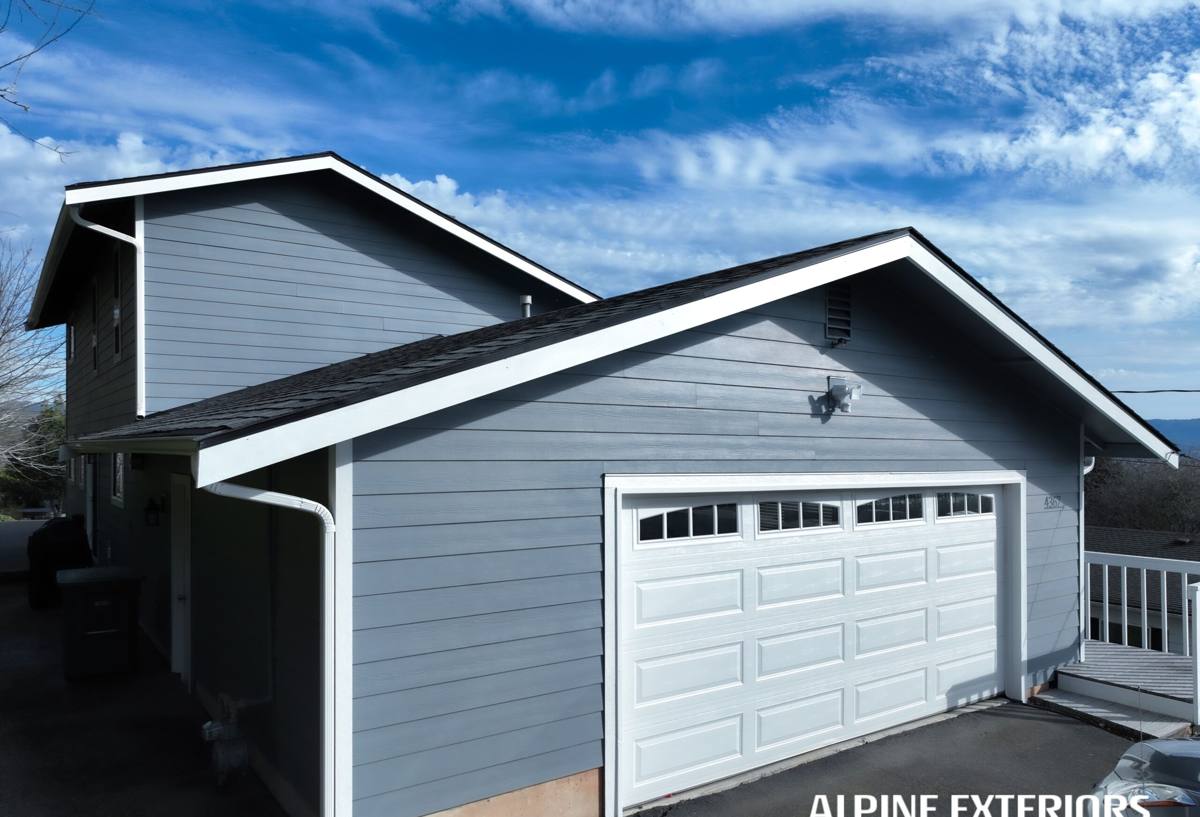
What a Correct Roof Replacement Actually Involves
A full roof replacement is more than pulling off old shingles or tile and nailing down new ones. On a coastal property, the parts you don't see matter as much as the finished surface. That includes the decking underneath, the underlayment system, the fastening pattern, and every flashing detail around penetrations, valleys, and edges.
Decking Condition
Once the old roofing material is removed, the wood decking underneath gets inspected for rot, delamination, or fastener pull-through — all more common near the coast where moisture intrusion has had years to work on plywood or OSB. Any compromised decking should be replaced before new roofing goes down, not covered over.
Underlayment as a Real Water Barrier
In a high-wind, high-rain coastal environment, underlayment isn't a formality — it's the roof's second line of defense if wind ever lifts or damages the surface material during a storm. Self-adhering underlayment at eaves, valleys, and penetrations, combined with a properly lapped synthetic underlayment across the field, gives the home a sealed layer that can shed water even if shingles or tiles are compromised.
Fastening for Wind Uplift
Florida Building Code sets minimum wind speed and uplift requirements based on location, and coastal Manatee County properties fall into higher wind design categories than inland areas. That translates into specific nailing patterns, fastener types, and — for tile roofs — adhesive or mechanical attachment methods engineered to resist uplift at the roof edges and corners, where wind pressure concentrates hardest during a storm.
Choosing a Roofing System for a Barrier Island Home
There isn't one universally "best" roofing material for Longboat Key — the right choice depends on the home's structure, HOA or architectural guidelines (common in many island communities), budget, and how the owner weighs upfront cost against long-term maintenance.
| Roofing System | Wind & Storm Performance | Salt Air Durability | Typical Lifespan | Maintenance Burden |
|---|---|---|---|---|
| Asphalt Shingle (architectural) | Good when properly rated and fastened | Moderate — granule and fastener wear over time | 15-25 years | Low to moderate |
| Concrete or Clay Tile | Excellent when properly attached; heavy, rigid | Very good — inert material resists corrosion | 30-50 years | Moderate (underlayment often fails before tile does) |
| Standing Seam Metal | Excellent uplift resistance with correct clips/fasteners | Good with coastal-rated coatings and stainless fasteners | 30-50 years | Low |
A detail that surprises a lot of homeowners: on tile roofs, the tile itself often outlasts the underlayment beneath it by decades. When we replace a tile roof, we're frequently replacing failed underlayment under tile that's still perfectly serviceable — which is why underlayment quality and installation matter as much as the visible material on top.
Our Longboat Key Roof Replacement Process
1. On-Site Inspection and Honest Assessment
We start with a full inspection — decking, flashing, ventilation, and the current roofing material's actual condition, not just its age. We'll tell you plainly if a repair could reasonably extend the roof's life instead of pushing a full replacement you don't need yet.
2. Permitting
Roof replacements on Longboat Key require a building permit through the applicable local jurisdiction, along with inspections at defined stages of the work. We handle the permit application and coordinate inspections as part of the job, so you're not the one chasing paperwork.
3. Tear-Off and Decking Repair
Old material comes off down to the deck, debris is contained and hauled off daily rather than left sitting on the property, and any deteriorated decking gets replaced before anything new goes down.
4. Dry-In and Flashing
Underlayment goes down first, sealing the home against water intrusion even before the final roofing material is installed — important on a barrier island where afternoon storms can roll in with little warning during the wet season. New flashing is formed and installed at every valley, wall intersection, chimney, and vent penetration.
5. Roofing Material Installation
Shingles, tile, or metal panels go on per manufacturer specification and the wind-rated fastening pattern required for the home's location and roof geometry.
6. Final Inspection and Cleanup
A final walk-through covers ridge and hip details, flashing, and gutter tie-ins, followed by a full site cleanup — including a magnetic sweep for stray fasteners in the yard and driveway.
Signs Your Longboat Key Roof May Need Replacing
- Shingles that are cracked, curling, or missing granules in patches rather than just at the ridge
- Tiles that are cracked, slipping, or show soft spots when walked (an underlayment failure sign, not just a tile problem)
- Soft or spongy decking felt from inside the attic, or daylight visible through the roof deck
- Rusted or corroded flashing, fasteners, or metal accessories — accelerated by salt air
- Water stains on interior ceilings after wind-driven rain, even without a visible roof leak elsewhere
- A roof approaching or past the manufacturer's expected service life, especially after multiple storm seasons
- Rising insurance premiums or non-renewal notices tied to roof age — increasingly common for coastal properties
What Drives the Cost of a Roof Replacement Here
| Cost Factor | Why It Matters on Longboat Key |
|---|---|
| Roof size and pitch | Larger and steeper roofs require more material, labor time, and safety setup |
| Material choice | Tile and standing seam metal cost more upfront than shingle but generally last longer |
| Decking condition | Rot or delamination discovered at tear-off adds repair cost not always visible beforehand |
| Access and staging | Island lots, narrow roads, and limited staging space can affect equipment and delivery logistics |
| Wind-rated detailing | Coastal fastening patterns, upgraded underlayment, and code-required flashing add labor over a bare-minimum install |
| Permitting and inspections | Required by the local jurisdiction; factored into project timeline and cost |
Broad ranges are wide because every one of these factors moves the number — a straightforward shingle re-roof on a modest footprint costs meaningfully less than a tile or metal replacement on a larger, more complex roofline. We give firm, itemized numbers after the on-site inspection, not a phone-quote guess.
Why It Matters That We Already Work on Longboat Key
A crew unfamiliar with barrier island work runs into friction that shows up as delays or shortcuts. Getting materials and equipment onto the island means planning around bridge access and limited staging space on many lots. Local permitting offices have their own submission requirements and inspection scheduling that a crew working here regularly already knows how to navigate efficiently. Many Longboat Key communities also have HOA or architectural review requirements for roofing material and color — something worth confirming before material is ordered, not after.
Beyond logistics, a crew that regularly works this specific coastline understands, from repeated experience, which flashing details and underlayment choices hold up here and which ones tend to fail early. That's knowledge you don't get from a spec sheet — you get it from doing the work on this exact kind of exposure, repeatedly, and seeing what comes back for repairs versus what doesn't.
Protecting Your Investment After Installation
A new roof's lifespan on Longboat Key depends partly on upkeep afterward. Salt air and UV exposure don't stop once the installation crew leaves. A simple annual visual check — looking for lifted or cracked material, rusted fasteners, debris buildup in valleys, and clear gutters — catches small issues before they become interior damage. After any significant storm, a post-storm check is worth doing even if nothing looks obviously wrong from the ground, since wind-driven rain can find small openings that aren't visible from a casual look.
If you're weighing whether your Longboat Key home needs a full roof replacement or could get by with targeted repairs, we're happy to come take an honest look and walk you through what we find — no pressure, no upsell. Fill out the form below for a free estimate.