 Bradenton Siding
 James Hardie Siding for Southgate Homes
Southgate sits in one of Bradenton's older, well-established pockets of Manatee County, with a mix of mid-century block homes and newer construction that has been re-sided at least once over the decades. If your house is due for new siding, you're dealing with the same set of pressures every home in this part of Florida deals with: hurricane-force wind loads, punishing year-round UV, wind-driven rain that finds every gap, and salt-laden air drifting in off Tampa Bay and the Gulf. Whatever goes on your walls next needs to be engineered for that combination, not just painted to look good on install day.
We install James Hardie fiber cement siding exclusively. We don't carry vinyl, LP SmartSide, Cemplank, Allura, or wood alternatives on the truck, and that's a deliberate call, not a matter of preference. This page walks through what Southgate homes specifically need from their siding, what a correct Hardie installation actually involves, and how our process works from first look to final walk-through.
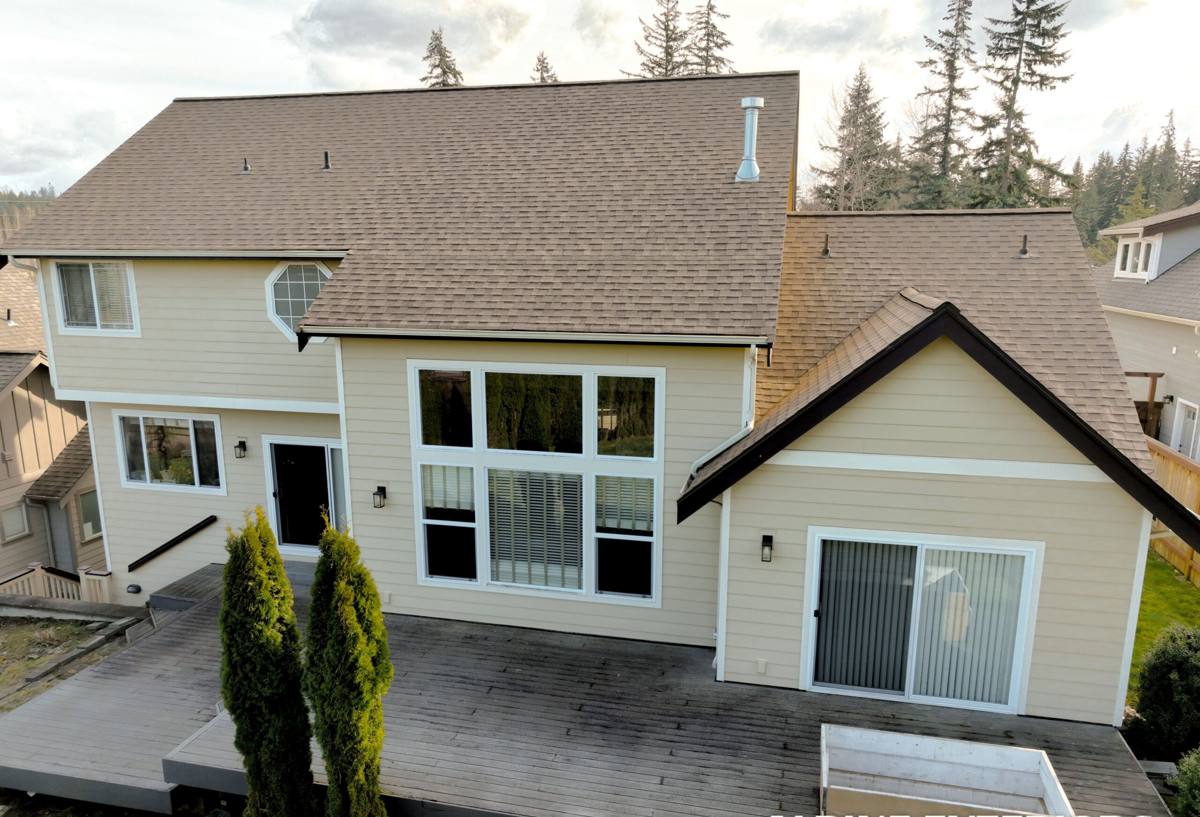
What Bradenton's Climate Does to Siding
Manatee County isn't a mild environment for exterior building materials, and Southgate gets the full package.
Wind Load
Bradenton sits inside hurricane wind zones that regularly bring tropical storm and hurricane-force gusts. Siding has to resist both direct wind pressure and the flying debris that comes with it. Fastening pattern, panel engineering, and starter strip installation all matter more here than they do in a low-wind climate — a siding job that would hold up fine in the Midwest can fail in a Gulf Coast storm if it wasn't installed to the wind-rated spec.
UV Exposure
Florida sun is intense and consistent almost all year. Painted wood and many composite products chalk, fade, and break down faster here than in northern climates because there's no real off-season for UV exposure to pause. Whatever finish is on your siding needs to be formulated to hold color and integrity under that load, not just look good for the first year or two.
Wind-Driven Rain
Tropical downpours in this area don't fall straight down — they come in sideways, pushed by wind. That means water gets tested at every seam, joint, and penetration on a wall, not just the horizontal surfaces. Siding systems and the water-resistive barrier behind them have to be detailed correctly at every joint, or moisture works its way behind the cladding over time.
Salt Air
Southgate isn't waterfront, but Bradenton's proximity to Tampa Bay and the Gulf means salt-laden air travels well inland, especially on onshore winds. Salt exposure accelerates corrosion on fasteners and metal components and speeds up the breakdown of coatings that aren't built to handle it. Over years, that adds up on any home in this part of the county, not just the ones directly on the water.
Why We Standardized on James Hardie
James Hardie fiber cement is engineered specifically for this kind of climate. It's non-combustible, which matters in a state where wildfire and structure-fire risk both exist. It resists moisture, rot, and pest damage in ways that wood products simply can't, since it isn't an organic material for pests or fungus to feed on. Hardie's ColorPlus factory-applied finish is baked on and warranted separately from the substrate, which means it's built to resist the fading and chalking that Florida UV causes faster than almost anywhere else in the country.
Hardie also makes climate-specific product lines engineered for exactly the conditions Southgate deals with — the HZ5 line is formulated for humid, hurricane-prone climates like ours, as opposed to the HZ10 line built for freeze-thaw regions up north. Installing the correct HZ designation for this climate zone is part of doing the job right, and it's one more reason we don't mix and match products outside the Hardie system.
We won't pretend other products don't have their place elsewhere. Vinyl is inexpensive and low-maintenance in the right climate. LP SmartSide has genuine fans. But in a Gulf Coast hurricane zone, we've made the call that fiber cement — installed correctly — is the material that holds up, holds its finish, and holds its warranty without asterisks. That's the product we put our name behind, and it's the only one we install.
What a Correct Installation Involves
Fiber cement siding is only as good as the installation behind it. A rushed or generic install can undercut even the best material, which is exactly why installation quality matters as much as product choice.
Water Management First
Before a single panel goes up, the wall needs a properly lapped water-resistive barrier, correctly flashed windows and doors, and drainage planes that let any moisture that does get behind the cladding find its way back out. This is the layer nobody sees once the job is done, and it's the layer that determines whether the wall stays dry for the next 30 years.
Fastening for Wind Zone
Hardie specifies fastener type, spacing, and embedment based on local wind exposure. In a hurricane-rated zone like Bradenton, that means following the manufacturer's high-wind fastening schedule, not a generic pattern. Corrosion-resistant fasteners matter here too, given the salt air.
Clearances and Joint Treatment
Hardie panels need proper clearance from rooflines, decks, and the ground, along with correctly caulked or flashed joints at every seam. Skipping these details is one of the most common ways a fiber cement job fails early — not because the product was wrong, but because the install cut corners.
Trim and Accessory Compatibility
Trim boards, soffit, and corner treatments all need to be compatible with fiber cement's expansion and moisture characteristics. Mixing incompatible trim materials against Hardie panels is a common source of callbacks down the road.
Our Process for Southgate Jobs
The steps below are the same ones we walk every Bradenton homeowner through, adjusted for the specific condition of your walls and the age of your home.
- On-site assessment. We look at your existing siding or cladding, check for underlying moisture or rot issues, and evaluate wall condition before quoting anything.
- Water barrier and flashing plan. We map out how the WRB, window/door flashing, and drainage plane will work together on your specific home before install begins.
- Product and color selection. We walk you through Hardie's plank profiles, textures, and ColorPlus palette so you land on something that fits the house and the neighborhood.
- Correct-spec installation. Fastening, clearances, and joint treatment follow Hardie's high-wind installation instructions for our zone — not a shortcut version.
- Final inspection and walk-through. We check the finished work against spec and walk the property with you before we consider the job done.
Why a Crew That Already Works Southgate Matters
Southgate has enough of a mix of home ages and construction types that experience in the neighborhood actually counts for something. A crew that's already worked on homes in this area has a feel for the common wall conditions, the typical trim details, and the kind of prep work older Manatee County homes tend to need before new siding goes on. That's not a substitute for a proper on-site assessment of your specific house, but it does mean fewer surprises once work starts.
Local presence also matters after the job is finished. Hardie's warranty coverage is real, but working with an installer who's still local and reachable years down the line — rather than a crew that worked the area for one season and moved on — makes any future warranty question or minor touch-up far more straightforward.
Cost Factors for a Southgate Hardie Project
Every home is different, so we don't quote a number until we've seen the walls. But the factors below are what typically move a project's price up or down.
| Factor | Why It Matters |
|---|---|
| Home size and wall complexity | More corners, dormers, and cutouts mean more labor and material waste |
| Existing siding removal | Tear-off of old material adds labor and disposal cost versus a bare or prepped wall |
| Underlying repairs | Rotten sheathing or damaged framing found during removal needs to be fixed before new siding goes on |
| Panel profile and texture | Lap siding, shingle-style panels, and vertical board-and-batten carry different material and labor costs |
| Trim and accessory scope | Full trim replacement costs more than reusing sound existing trim where appropriate |
| Color selection | Standard ColorPlus colors versus special-order finishes can shift material pricing |
Signs Your Southgate Home May Need New Siding
- Visible cracking, warping, or soft spots in current siding
- Paint that's peeling or blistering faster than a normal repaint cycle
- Increasing energy bills that suggest the wall assembly is no longer performing
- Staining or streaking that keeps returning after cleaning, a sign moisture is getting behind the material
- Visible gaps or separation at seams, corners, or trim
- Siding that's more than 20-25 years old, nearing or past its expected service life
Get an Honest Look at Your Home
If your Southgate home's siding is showing its age or you're planning ahead for storm season, we're happy to take a look and give you a straightforward assessment — no pressure, no upsell to a product we don't stand behind. Request a free estimate below and we'll walk the property with you and talk through what your home actually needs.