 Bradenton Siding
 Village of the Arts Homes Face a Different Set of Demands
Village of the Arts sits in one of Bradenton's older, closer-in neighborhoods, and that comes with a mix of home ages and construction styles you don't always find in newer Manatee County subdivisions. A lot of these houses were built well before current wind and moisture codes existed, and many have gone through at least one prior siding job — sometimes more than one. That history matters. Whatever goes on the walls next has to perform against the same Gulf Coast conditions every Bradenton home deals with: hurricane-force wind gusts, sun that doesn't let up most of the year, wind-driven rain that finds every gap in a wall system, and salt-laden air drifting in off the water. On an older home, those forces find weaknesses faster if the substrate underneath hasn't been checked in a while.
This page is about one job, done right, in one neighborhood: full siding replacement for homes in Village of the Arts. Not a repair, not a patch — a real tear-off, inspection, and re-clad using a product built for this climate.
What Makes This Neighborhood's Housing Stock Different
Older, Smaller-Footprint Construction
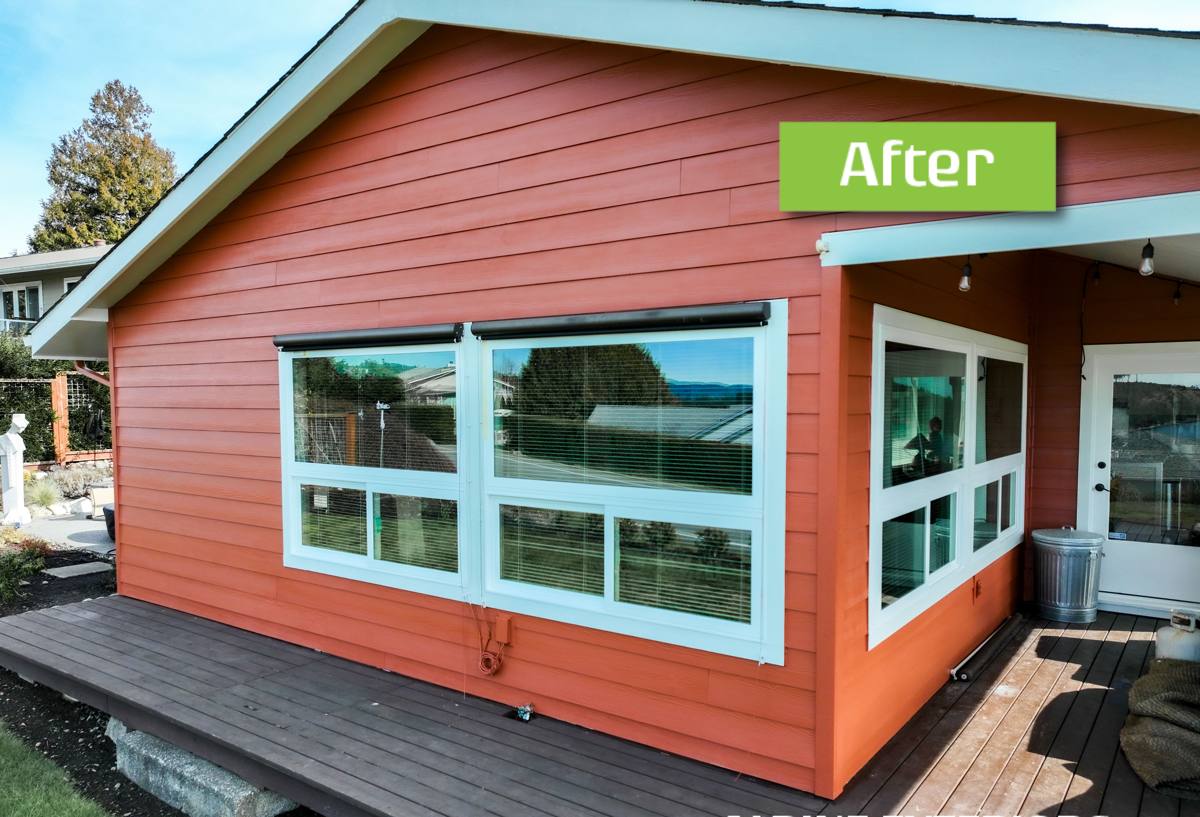
Village of the Arts is known for its older Florida bungalow and cottage-style homes — smaller footprints, lower rooflines, and in many cases original wood-frame construction that's been re-sided at least once over the decades. That kind of house often has more trim detail, more window and door openings relative to wall area, and tighter eaves than a modern build. Every one of those details is a place where water and wind can get behind the siding if the replacement isn't done carefully.
Mixed Residential and Studio Use
A number of homes in this area double as working art studios, galleries, or small live-work spaces. That doesn't change the physics of siding replacement, but it does raise the bar on how a crew handles the property — protecting windows, walkways, and outdoor display or work areas, keeping dust and debris contained, and not leaving a home exposed to weather overnight during a project. On a house that's also someone's workspace, sloppy scheduling or a half-finished wall at the end of the day isn't acceptable.
Why the Regional Climate Punishes the Wrong Siding Choice
Bradenton and the rest of Manatee County sit in a hurricane-exposed coastal zone, and that shapes every part of a correct siding job here:
- Hurricane-force wind: siding has to stay fastened and intact under sustained wind loads and wind-borne debris, not just resist a stiff breeze.
- Year-round UV: Florida sun fades and breaks down poorly-formulated finishes faster than almost anywhere else in the country.
- Wind-driven rain: storms here don't fall straight down — rain gets pushed sideways into wall assemblies, which means flashing and water管理 details matter as much as the siding material itself.
- Salt air: proximity to the Gulf and the intracoastal waterways means airborne salt accelerates corrosion of fasteners and degrades materials that aren't rated for coastal exposure.
None of that is unique to Village of the Arts, but on an older home with original wall assemblies, decades of accumulated wear, and more architectural detail to flash correctly, these forces have more places to do damage.
What a Correct Siding Replacement Actually Involves
Full Tear-Off, Not a Layer-Over
We remove the existing siding completely rather than installing new material over it. Covering up old siding traps moisture, hides rot, and voids most manufacturer warranties. On an older Village of the Arts home, tear-off is also the only way to actually find out what condition the wall is in.
Substrate Inspection and Repair
Once the old siding is off, we inspect the sheathing and framing underneath for rot, insect damage, or moisture staining — all more common on original wood-frame construction that's decades old. Any compromised wood gets replaced before anything new goes back on the wall. Skipping this step is the single most common cause of premature siding failure.
Weather Barrier and Flashing
A correctly installed weather-resistant barrier and properly integrated flashing around every window, door, and penetration is what actually keeps wind-driven rain out — the siding itself is the second line of defense, not the first. This is where installation quality matters more than product choice.
Fastening to Code
Fastener type, spacing, and placement all have to meet the wind-load requirements for this part of Florida. Manatee County's coastal exposure means this isn't a place to cut corners on nailing patterns or use whatever fasteners happen to be on the truck.
Why We Install Only James Hardie Fiber Cement
We standardized on James Hardie fiber cement siding and don't install vinyl, LP SmartSide, Cemplank, Allura, primed spruce, or cedar. That's not a marketing position — it's a decision based on what actually holds up under Bradenton's combination of wind, sun, rain, and salt air, backed by what we've seen fail and what we've seen last.
Built for This Exact Climate
Hardie's HZ5 product line is engineered specifically for high-humidity, high-wind coastal climates like ours — it resists moisture intrusion, holds paint and color better under constant UV exposure, and stands up to wind-driven rain without the swelling, warping, or rot risk that comes with wood-based products.
ColorPlus Factory Finish
Hardie's ColorPlus finish is baked on at the factory under controlled conditions, which gives it far better fade and UV resistance than field-applied paint. In a market where the sun is intense nearly year-round, that finish durability is the difference between repainting every few years and going a decade or more without touching the color.
Non-Combustible Core
Fiber cement doesn't burn, feed a fire, or contribute fuel the way wood-based sidings can. That's a meaningful safety advantage on any home, and one more reason it's the only product we put our name behind.
Warranty That Transfers
Hardie backs its products with a strong, transferable warranty — which matters on a home that might change hands down the road, something worth knowing in a walkable, desirable neighborhood like this one.
Our Process for Village of the Arts Projects
- Free on-site assessment — we walk the home, look at the current siding and trim condition, and talk through what the house actually needs.
- Substrate check where accessible — on older homes we look for visible signs of rot, moisture, or prior repair work before we ever quote the job.
- Written estimate — a clear scope covering tear-off, repair allowances, materials, and installation, with no vague line items.
- Property protection during work — windows, landscaping, walkways, and any studio or gallery space stay covered and protected for the duration.
- Daily weather-tight close-out — we don't leave a wall open to a Florida afternoon storm overnight.
- Final walkthrough — we go over the finished job with you before calling it done.
What Drives Cost on a Job Like This
| Factor | Why It Matters in This Neighborhood | Effect on the Job |
|---|---|---|
| Age and condition of existing walls | Older bungalow-style framing is more likely to need substrate repair | Can add repair cost, found only after tear-off |
| Amount of trim and architectural detail | Cottage-style homes often have more windows, eaves, and trim per square foot | More labor and flashing detail than a plain modern facade |
| Existing siding material | Old wood or multiple prior layers take longer to remove safely | Affects tear-off time and disposal cost |
| Home access and lot layout | Closer-set lots and mature landscaping common in the area | Can affect staging, equipment access, and protection needs |
| Color and profile selection | ColorPlus finishes and different plank profiles are priced differently | Affects material cost, not installation quality |
Exact numbers depend on the specific home — anyone who quotes a firm price before inspecting the walls is guessing.
What to Ask Before Hiring a Siding Contractor Here
- Do you do a full tear-off, or will you install over the existing siding?
- Will you inspect and document the substrate condition before quoting repairs?
- What weather barrier and flashing details do you use around windows and doors?
- What fastening schedule do you follow for wind exposure in this area?
- Is the warranty from the manufacturer transferable if the home is sold?
- Have you worked on older bungalow or cottage-style homes before?
- How do you protect the property, including any studio or workspace, during the job?
Why It Matters to Hire a Crew That Already Works This Neighborhood
A crew that's worked in Village of the Arts before already understands what this housing stock tends to look like underneath the surface — the kind of framing, the common trim details, the age range of the homes. That experience shows up in a more accurate estimate up front and fewer surprises once tear-off starts. It also shows up in how the crew handles a property that might be doubling as a working studio or gallery space, where day-to-day disruption has real consequences beyond just the homeowner's patience.
Bradenton and Manatee County's coastal exposure isn't forgiving of shortcuts, and an older home in an established neighborhood like this one has less margin for error than a brand-new build. The combination of hurricane-force wind, relentless UV, wind-driven rain, and salt air means the installation details — tear-off, substrate repair, flashing, and fastening — carry as much weight as the siding material itself.
If you own a home in Village of the Arts and want a straight answer about what your siding actually needs, we're glad to take a look. Fill out the form below for a free, no-pressure estimate — we'll walk the property, tell you honestly what we see, and give you a clear scope of work before anything gets decided.