 Bradenton Siding
 Siding Built for the Lakewood Ranch Climate
Lakewood Ranch sits inland from Sarasota Bay but still lives under the same Gulf Coast weather pattern that shapes exterior work across Manatee County: long, intense sun exposure nearly every month of the year, a rainy season that brings heavy, wind-driven downpours, and a hurricane season that regularly tests every exterior surface on a home. Add in the humidity that never really goes away and the salt-laden air that drifts inland on Gulf breezes, and you have a climate that is genuinely hard on siding. This isn't a page about scare tactics — it's about being honest with homeowners in this area about what their exterior actually has to withstand, and why we've made the decision to install only one siding system on the homes we work on: James Hardie fiber cement.
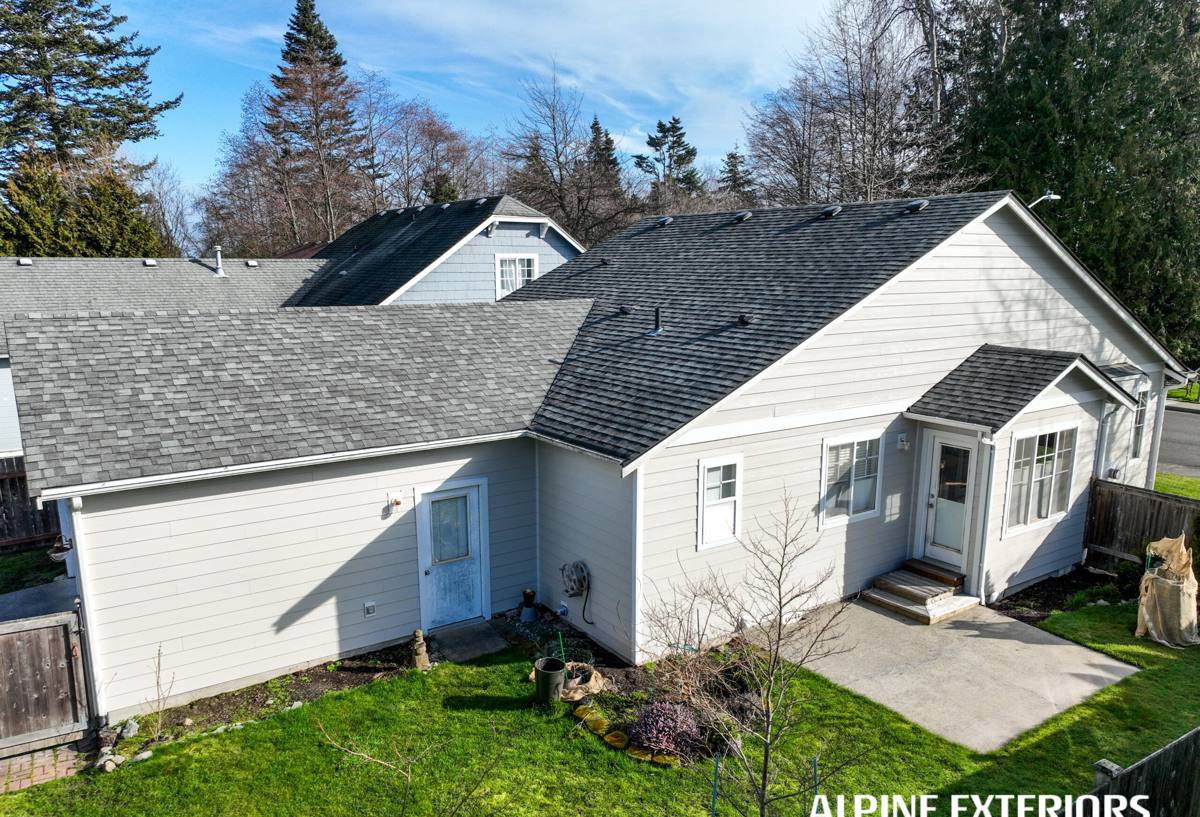
What This Climate Actually Does to Siding
Every siding material reacts differently to heat, moisture, and wind. Understanding the specific stresses at play in Lakewood Ranch helps explain why some common products struggle here.
UV and Heat
Florida sun is intense and consistent, not seasonal. Materials with painted or coated surfaces that aren't engineered for this level of UV exposure tend to fade unevenly, chalk, or become brittle years before a homeowner expects to repaint. Dark colors on the sun-facing side of a house take the worst of it.
Humidity and Moisture Cycling
Manatee County's humidity means siding rarely gets a true dry-out period. Materials that absorb moisture and then release it as temperatures shift can swell, warp, or develop soft spots at seams and butt joints over time — especially if the original installation wasn't sealed and flashed correctly.
Wind-Driven Rain
Summer storms in this part of Florida rarely come straight down. Wind pushes rain sideways and up under laps, seams, and trim, which means the quality of the installation — not just the material — determines whether water actually stays out.
Salt Air
Lakewood Ranch is far enough inland to soften the worst of coastal salt exposure, but Gulf breezes still carry salt content that accelerates corrosion on fasteners, trim, and any metal components on a home's exterior. Over years, that adds up on materials that weren't specified with coastal-adjacent conditions in mind.
Hurricane-Force Wind
Manatee County sits well within Florida's hurricane corridor, and Lakewood Ranch homes are built and permitted to wind-load standards that reflect that. Siding that isn't rated, fastened, and installed to those standards is a liability during a storm — not just a cosmetic risk.
Why We Standardized on James Hardie
We get asked regularly why we don't offer vinyl, LP SmartSide, or other engineered wood products alongside Hardie. The honest answer is that after years of working on homes across this climate, we saw a consistent pattern: materials that perform fine in drier, milder climates don't always hold up the same way here. Vinyl can soften, warp, or crack under sustained heat and wind load. Engineered wood products rely on factory coatings and careful field sealing at every cut edge to resist moisture — miss one spot during installation, and that's where a problem starts years later. None of this means those products are junk everywhere; it means we made a professional judgment call that for the specific combination of sun, humidity, wind, and storm exposure in this area, James Hardie fiber cement gives our customers the best long-term outcome, and we'd rather install one product exceptionally well than several products adequately.
James Hardie fiber cement is non-combustible, doesn't absorb moisture the way wood-based products do, and is manufactured specifically with climate zones in mind — which matters a great deal in a region like ours.
James Hardie's HZ5 Engineering and Product Lines
James Hardie engineers its siding for specific climate zones, and Florida falls under the HZ5 designation — formulated to resist the moisture and humidity common to the Gulf Coast and Southeast. For Lakewood Ranch homes, we typically work with:
- HardiePlank lap siding — the most common choice, available in multiple textures including smooth, cedarmill, and beaded profiles
- HardiePanel vertical siding — often used for accent sections, gables, or a more modern look on newer builds
- HardieShingle siding — for homes wanting a shingle-style texture without the maintenance burden of real wood shakes
- HardieTrim boards — for corners, window and door surrounds, and fascia, keeping the whole exterior in one consistent material system
Every one of these products is rated for wind and impact performance and holds up to the wind-driven rain that's typical of Manatee County storms when installed to manufacturer specification.
ColorPlus Technology and Fitting Lakewood Ranch's Look
Many Lakewood Ranch neighborhoods have HOA architectural guidelines around color palettes and exterior consistency, and homeowners want a finish that won't fade out of compliance or look tired within a few years. James Hardie's ColorPlus finish is baked on in a controlled factory process — multiple coats, cured before the boards ever reach a job site — rather than field-painted after installation. That process gives a more even, fade-resistant finish than site-applied paint, which matters enormously under Florida's UV load. It also means touch-up work, when it's ever needed, uses matched ColorPlus product rather than a repaint of the whole house. For homeowners who prefer a custom or non-standard color, primed Hardie boards are also available to be field-painted, though we always walk through the trade-offs of factory-finish versus field-painted before a homeowner decides.
What Correct Installation Actually Involves
Fiber cement siding is only as good as the installation behind it. In a climate that pushes wind-driven rain into every gap, the details matter as much as the material. A proper James Hardie installation on a Lakewood Ranch home includes:
- Correct water-resistive barrier and house wrap installed and lapped properly before any siding goes up
- Proper flashing at all windows, doors, and roof-to-wall intersections
- Manufacturer-specified fastener spacing, type, and penetration depth — under-fastening is a common shortcut that shows up as problems years later
- Correct clearance from grade, roofing, and decking surfaces to keep the bottom edge of the siding out of standing water and splash-back
- Caulking and sealing only where James Hardie's install guide actually calls for it — over-caulking can trap moisture rather than keep it out
- Butt joints and seams staggered and treated to shed water rather than collect it
We install to James Hardie's published specifications, which is also what keeps the manufacturer's warranty intact — a shortcut during installation can void coverage even on a top-tier product.
Cost Factors for a Lakewood Ranch Project
Every home is different, but the factors that move a siding project's cost up or down are consistent. We give firm numbers after an on-site walk-through, but this table outlines what typically drives the estimate:
| Factor | Why It Matters |
|---|---|
| Home size and wall complexity | More corners, gables, and dormers mean more cutting, trim work, and labor time |
| Existing siding removal | Tear-off and disposal of old siding adds time versus installing over prepared sheathing |
| Product line and profile | Lap, panel, and shingle profiles carry different material and labor costs |
| Factory finish vs. field paint | ColorPlus finished boards cost more upfront but remove a future repainting cost |
| Underlying sheathing or moisture damage | Rot or damage found once old siding is removed needs repair before new siding goes on |
| Trim and accent detail | Custom trim packages and accent panels add labor beyond a standard lap-siding install |
Warranty and Long-Term Value
One of the reasons we point homeowners toward James Hardie is the strength and structure of its warranty. ColorPlus finished products carry a substantial finish warranty separate from the product warranty itself, and both are transferable to a new owner if the home sells — something that matters to buyers and appraisers alike in this market. That said, a manufacturer's warranty is only as good as the installation behind it; that's why we install strictly to spec and keep documentation of the work, so the warranty is actually enforceable if it's ever needed.
Why a Local Crew Matters
Manatee County's building department and wind-load requirements aren't identical to every county in Florida, and permitting expectations shift over time. A crew that works in this area regularly knows the current requirements, pulls the right permits, and understands how Lakewood Ranch's specific HOA and architectural review expectations typically play out — which avoids delays that an out-of-area or fly-by-night crew can run into. It also means someone is actually reachable after the job is done if a question comes up, rather than a crew that worked here for one storm-season rush and moved on.
If you're weighing a siding replacement or repair for a Lakewood Ranch home, we're happy to walk the exterior with you, point out anything worth knowing, and put together a straightforward, no-pressure estimate. There's no obligation — just an honest look at what your home needs.