 Bradenton Siding
 Window Installation Built for the Lakewood Ranch Climate
Lakewood Ranch sits inland from the coast, but that doesn't mean the weather goes easy on your windows. Homes here still take a beating from hurricane-force winds during storm season, intense year-round UV that fades and stresses materials, wind-driven rain that finds every gap in a bad install, and salt-laden air that drifts in off Tampa Bay and the Gulf and works on metal hardware and fasteners over time. A window that's correctly rated, correctly flashed, and correctly sealed will shrug off all of that for decades. A window that's slapped in fast — even a good window — will fail early, and usually in the exact spot you can't see until water's already inside the wall.
This page covers what we look at, what we install, and how we work specifically for Lakewood Ranch homeowners. It's not a generic overview — it's the version that matters for this community, in Manatee County, under Florida's building code.
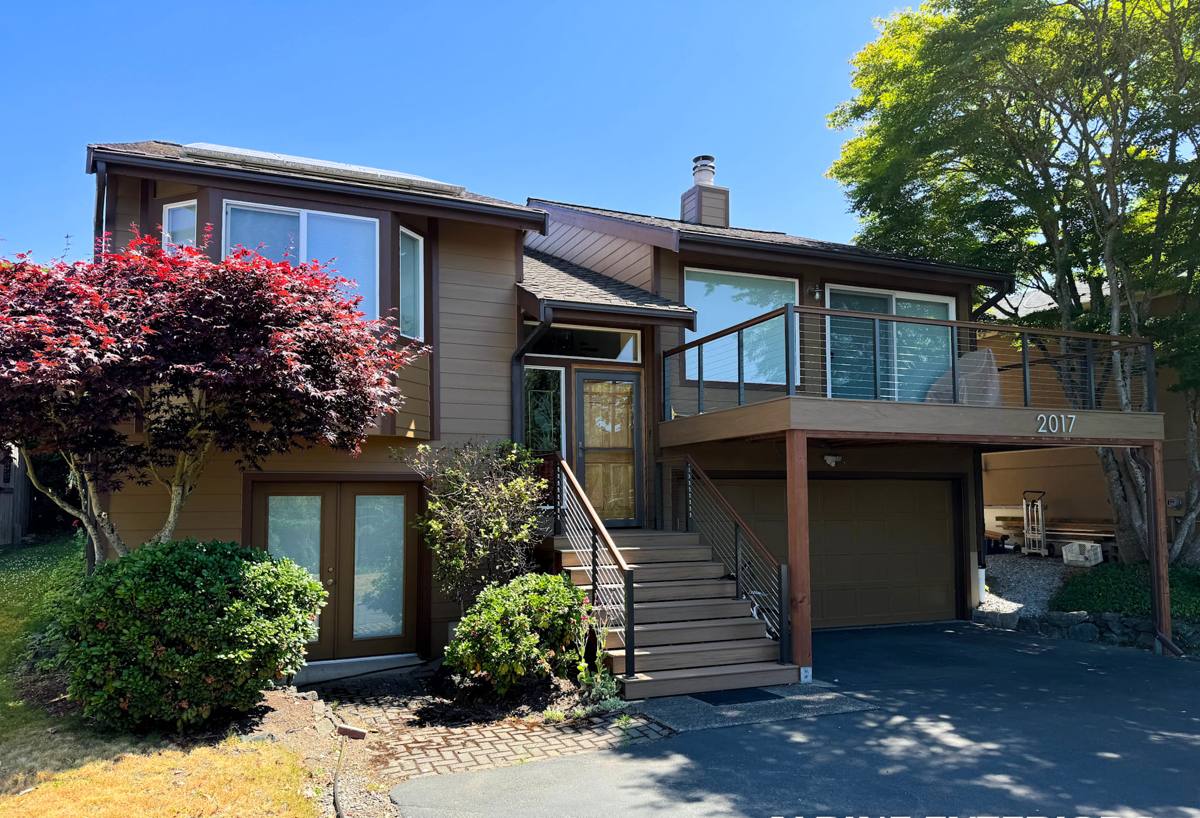
What Lakewood Ranch Homes Actually Need From Their Windows
Wind and Impact Resistance
Manatee County falls under Florida's high-velocity wind provisions, and every window we install has to meet the wind load requirements tied to your home's exposure and elevation. That means the frame, the anchoring, and the glass all have to be rated as a system — not just individually strong parts bolted together. A window that's technically "impact-rated" but installed with the wrong fasteners or insufficient anchoring into the framing is not actually storm-rated once it's in your wall.
UV and Heat Load
Florida sun is relentless, and west- and south-facing windows in particular take a constant thermal beating. Cheap glazing yellows, seals break down faster, and vinyl frames without UV-stabilized compounds can warp or become brittle years before they should. Low-E coatings and the right glass package cut down on heat gain and protect interior furnishings from fading, which matters more here than in most parts of the country.
Humidity and Moisture Management
High humidity is a constant in this part of Florida, and it doesn't take a hurricane to cause water intrusion — a poorly flashed window can let moisture into the wall cavity during any hard afternoon rain. Once that happens, you're not just dealing with a window problem anymore; you're dealing with wood rot, mold, and drywall damage that costs far more to fix than the window did to begin with.
Salt Air and Corrosion
Lakewood Ranch isn't beachfront, but salt air still travels well inland on Gulf breezes, especially during onshore wind events. Over years, that air accelerates corrosion on lesser-quality hardware, screws, and hinges. We pay attention to the corrosion resistance of the fasteners and hardware we use, not just the glass and frame, because the hardware is usually what fails first.
Signs Your Windows Are Due for Replacement
Homeowners often live with problem windows longer than they should because the symptoms show up gradually. Watch for:
- Fogging or a hazy film between panes of double-glazed glass — a sign the seal has failed and the insulating gas is gone
- Windows that are difficult to open, close, or lock, or that no longer sit flush in the frame
- Visible daylight, drafts, or a whistling sound around the frame during windy conditions
- Soft or discolored drywall, trim, or wood framing near the window — a strong indicator of past or ongoing water intrusion
- Condensation forming on the inside of the glass regularly, even when your AC is running normally
- A noticeable rise in cooling costs without any other explanation
- Chalky, faded, or warped frames, especially on windows that face west or south
- Visible rust or corrosion on hinges, latches, or screws
Any one of these on its own might not mean full replacement is urgent. Several of them together, or any sign of water damage, usually means it's time to have the windows and the surrounding wall assessed before the next storm season.
What a Correct Window Installation Actually Involves
Removal Without Collateral Damage
Pulling an old window out cleanly — without tearing up the surrounding stucco, drywall, or framing — takes more care than most people assume. We inspect the wall cavity as soon as the old unit is out, because this is the one point in the process where hidden rot, old moisture damage, or prior bad flashing work becomes visible. Any problems found here get addressed before the new window goes in, not covered up.
Flashing and Waterproofing
This is the step that determines whether a window leaks five years from now, and it's also the step that's invisible once the job is done — which is exactly why it gets skipped or rushed by installers who are working too fast. Proper flashing tape and sealant integration with the home's existing weather-resistive barrier is what keeps wind-driven rain from tracking behind the window and into the wall.
Anchoring to Manufacturer and Code Specifications
Every window has a manufacturer-specified fastening schedule — the type, spacing, and embedment depth of the screws anchoring it to the structure. For impact-rated windows in a high-wind area like ours, this isn't a suggestion; it's what the product's wind rating actually depends on. We follow the specified schedule for the exact window and wall type on your home, not a generic pattern.
Sealing and Finishing
Exterior sealant, backer rod where needed, and proper interior finishing all matter for both weather performance and appearance. A window that's structurally sound but sloppily finished on the interior or exterior isn't a finished job in our book.
Choosing the Right Window for a Lakewood Ranch Home
There's no single "best" window for every home — the right choice depends on your home's exposure, your budget, and how much you want to spend on long-term maintenance. Here's how the common options compare for this climate:
| Factor | Vinyl Frame | Aluminum Frame |
|---|---|---|
| Corrosion resistance in salt air | Excellent — won't rust or pit | Good with quality coatings, but more sensitive to coastal exposure over time |
| Heat transfer | Lower — vinyl doesn't conduct heat like metal | Higher unless thermally broken, meaning more heat transfer into the home |
| Structural strength for large openings | Good for standard sizes | Better for larger openings or heavier impact-rated glass packages |
| Long-term maintenance | Low — no repainting, resists chalking with UV-stable compounds | Moderate — coatings can wear and may need refinishing eventually |
| Typical upfront cost | Generally lower | Generally higher |
We also talk through glass packages during the estimate — impact-rated laminated glass versus non-impact glass paired with separate storm protection, and where Low-E coatings make sense based on which direction the window faces. There's an honest trade-off in every direction, and we'd rather walk you through it than push one option.
What Affects the Cost of a Window Replacement Project
We don't publish blanket pricing because every home and every opening is different, but these are the factors that actually move the number:
| Cost Factor | Why It Matters |
|---|---|
| Impact-rated vs. non-impact glass | Impact glass costs more upfront but eliminates the need for separate shutters or storm panels |
| Window size and opening count | Larger openings and whole-home replacements involve more material and labor per project |
| Frame material | Vinyl, aluminum, and other frame types carry different material costs |
| Condition of the existing opening | Hidden rot or water damage found during removal adds repair work before the new window goes in |
| Access and second-story work | Upper-floor or hard-to-access openings take more time and equipment |
| Permit and inspection requirements | Manatee County permitting and inspection fees are part of a compliant installation |
We give you a real number for your home after we've actually looked at the openings — not a phone estimate based on square footage guesses.
How Our Process Works
1. On-Site Assessment
We come out, measure every opening, check the condition of the surrounding wall and framing, and talk through what you actually need versus what you might be tempted to overspend on. This is also when we discuss wind load requirements specific to your home's location and exposure.
2. Product Selection and Written Quote
We go over frame material, glass package, and options based on that assessment, then put together a clear written quote — no vague allowances, no surprise add-ons later.
3. Permitting
Window replacement in Manatee County generally requires a permit, and impact-rated installations have to meet the county's documentation requirements. We handle the permit process so you're not the one chasing paperwork.
4. Removal and Prep
Old windows come out carefully, the opening gets inspected for hidden damage, and any necessary repairs happen before anything new goes in.
5. Installation and Sealing
New windows are set, anchored to spec, flashed, and sealed following manufacturer requirements for the specific product and wall type.
6. Final Walkthrough and Inspection
We check operation on every window, confirm the finish work meets our standard, and schedule the county inspection where required. You get to see and test the finished work before we consider the job done.
Permits, Codes, and Why They're Not Optional
Florida's building code sets wind load and product approval requirements that vary by county and by your home's specific wind zone and exposure category. Manatee County enforces these requirements through its permitting and inspection process, and skipping that step isn't a shortcut — it's a liability. Un-permitted window work can create problems at resale, with insurance claims after a storm, and with code enforcement down the line. We pull permits as a standard part of the job, not an upsell.
Why Local Experience in Lakewood Ranch Matters
A crew that regularly works in this area already understands the wind exposure patterns typical to Lakewood Ranch homes, knows what Manatee County's permitting office expects, and has already seen how different frame and glass combinations hold up here over years, not just in a showroom. That familiarity shows up in small decisions throughout a job — how a specific flashing detail gets handled, which fastening approach suits your home's wall construction, which glass package actually makes sense for a west-facing great room. It's the difference between a window that's installed and a window that's installed right for this specific climate.
If your windows are showing their age, underperforming in the heat, or you're planning ahead of hurricane season, we're happy to come take a look. Fill out the form below for a free, no-pressure estimate — we'll assess your home's actual needs and give you a straight answer, not a sales pitch.