 Bradenton Siding
 Cortez Sits Right on the Water — That Changes What a Roof Needs to Do
Cortez is one of the few genuinely waterfront communities in the Bradenton area, tucked along Sarasota Bay with the Gulf close by. That location is part of what makes it special, but it also means roofs here take a beating that a home ten miles inland simply doesn't see. Salt-laden air corrodes exposed metal faster, onshore winds hit with less resistance than they do farther inland, and humidity stays high nearly year-round, keeping roof decks and attics damp longer after every storm.
A new roof installed in Cortez has to be built for that reality from the first nail. That means fasteners and flashing that resist corrosion, an underlayment system that can handle wind-driven rain finding its way under shingles or panels, and attic ventilation that actually moves the moist coastal air back out instead of trapping it. None of that is exotic — it's just attention to details that matter more here than they do a few miles inland, and that get skipped more often than they should.
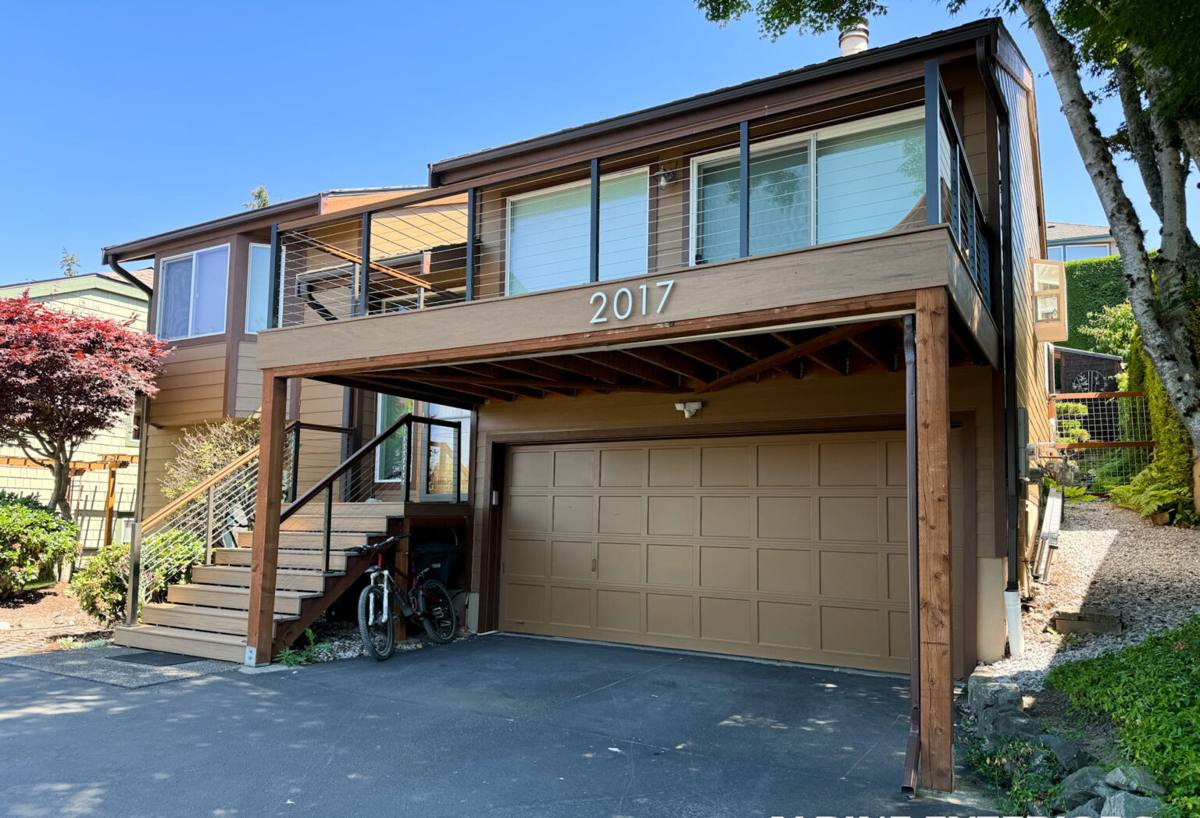
What Correct New Roof Installation Actually Involves
"New roof" sounds simple, but the difference between a roof that holds up through Manatee County's storm seasons and one that fails early almost always comes down to what happens underneath the visible surface. A correct installation is really a sequence of decisions, each one either protecting the home or setting up a future problem.
Tear-Off and Deck Inspection
We remove the old roofing down to the deck rather than layering over it. That's the only way to actually see the plywood or OSB underneath — and on a coastal roof, that deck has often absorbed moisture around old nail holes, vents, or flashing points over the years. Soft, delaminated, or rotted sections get replaced before anything new goes down. Skipping this step is the single most common shortcut that leads to soft spots and leaks a few years later.
Underlayment and Flashing
This is the roof's actual waterproofing layer — the shingles or panels on top are the first line of defense, but the underlayment and flashing are what keep water out when wind pushes rain sideways or under the surface material, which happens routinely in Gulf Coast storms. We pay particular attention to valleys, roof-to-wall transitions, chimneys, and any place a pipe or vent penetrates the roof, since those are where the vast majority of leaks actually originate.
Fastening for Wind Resistance
How a roof is fastened matters as much as what it's fastened with. Nail placement, nail count, and pattern all affect how much uplift force a roof can resist before wind gets underneath it. We follow manufacturer specifications and Florida Building Code requirements for fastening, not just whatever the minimum happens to be.
Ventilation
A roof deck that can't breathe traps heat and moisture in the attic, which shortens the life of the roofing material from underneath and can lead to wood rot you won't see until it's advanced. Proper intake and exhaust ventilation is part of a correct installation, not an upsell.
Choosing Roofing Materials That Actually Hold Up Here
There's no single "best" roofing material for every home — the right choice depends on budget, roof pitch, how long you plan to stay in the home, and how much maintenance you're willing to do. What we won't do is recommend a product based on what's cheapest to install rather than what performs well in salt air and coastal wind. Here's how the common options compare for a Cortez home specifically.
| Material | Coastal Performance | Maintenance | Typical Lifespan |
|---|---|---|---|
| Architectural asphalt shingles | Good with proper wind-rated fastening and quality underlayment | Low — periodic inspection | 20-30 years |
| Standing seam metal | Excellent wind and rain performance; needs corrosion-resistant fasteners and coatings near the water | Low | 40-60 years |
| Concrete or clay tile | Very good once properly fastened and underlaid; heavier, requires adequate structural support | Low to moderate — occasional cracked tile replacement | 40-50+ years |
| Exposed-fastener metal panels | Workable but fasteners loosen and corrode faster in salt air without regular upkeep | Higher — periodic fastener checks | 20-30 years, shorter without maintenance |
We steer most Cortez homeowners away from exposed-fastener metal roofing as a primary system near the water unless there's a specific reason for it. It's not that the material is bad — it's that exposed fasteners are the first thing salt air attacks, and a leak at a loosened fastener is a maintenance problem you'll be managing for the life of the roof rather than a one-time installation.
Florida Building Code, Wind Ratings, and Permits in Manatee County
New roof installations in Manatee County are governed by the Florida Building Code, which sets minimum requirements for wind resistance, fastening, and underlayment based on the wind speeds a given area needs to withstand. Being on the water in Cortez doesn't change which code applies, but it's exactly the kind of location where building to the minimum instead of building it right shows up first when a storm comes through.
A permitted, inspected roof replacement also matters for reasons beyond the storm itself — it protects your ability to file an insurance claim cleanly, it protects resale value, and it's simply what the law requires for a full roof replacement. We pull permits, schedule the required inspections, and handle that process as part of the job rather than treating it as optional paperwork.
Our Process From First Call to Final Inspection
- Roof assessment — we inspect the existing roof, deck condition, flashing points, and attic ventilation, and walk you through what we find in plain language.
- Written estimate — a clear scope of work and price, including material options, so you're comparing the same job apples-to-apples if you're getting other quotes.
- Permitting — we handle the Manatee County permit application before work begins.
- Tear-off and deck repair — old roofing removed, deck inspected, any compromised sections replaced.
- Underlayment, flashing, and material installation — installed to code and manufacturer specification, with wind-rated fastening throughout.
- Cleanup and magnetic sweep — the property is cleared of debris and nails before we consider the job finished.
- Final inspection — the county inspection is scheduled and passed as part of the job, not left for you to chase down.
Signs It's Time for a New Roof, Not Another Repair
Coastal homes sometimes hide roof age well from the ground, so it helps to know what to actually check for before deciding between a repair and a full replacement.
- Shingles that are cracked, curling, or losing granules across large sections rather than just one spot
- Visible rust staining or corrosion around metal flashing, vents, or fastener heads
- Soft or spongy spots when walking the roof, which usually indicate deck damage underneath
- Daylight visible through the roof deck from inside the attic
- Repeated leaks in different locations after past repairs, rather than one recurring spot
- A roof approaching or past 20-25 years old, regardless of how it looks from the street
- Missing or lifted shingles/tiles after any recent windstorm, even if there's no active leak yet
If you're only seeing one or two of these, a repair may genuinely be the right call — we'll tell you that if it's true. A new roof only makes sense when the underlying deck, flashing, or material has reached the point where repairs are just delaying the same outcome.
What Drives the Cost of a New Roof in Cortez
Every roof is priced based on the specifics of the home, but the same factors tend to move the number up or down on most jobs we look at in this area.
| Factor | Why It Matters |
|---|---|
| Roof size and number of pitches/planes | More square footage and more complex rooflines mean more material and more labor hours |
| Number of existing layers to remove | Multiple old layers take longer to tear off and dispose of than a single layer |
| Deck condition | Rotted or delaminated decking found during tear-off needs to be replaced before new roofing goes on |
| Material selection | Asphalt, metal, and tile carry different material and installation costs, as shown above |
| Flashing and penetration complexity | Chimneys, skylights, and multiple roof-to-wall transitions add labor and material |
| Code or ventilation upgrades needed | Bringing older ventilation or fastening up to current code adds scope but reduces future problems |
Because of those variables, we don't quote a price before actually looking at the roof. Broad ranges you'll see online for "average roof cost" rarely reflect what a specific coastal home in Cortez actually needs.
Why Hiring a Crew That Already Works in Cortez Matters
A roof that's correct on paper still has to be installed correctly on your specific house, in your specific conditions, by people who understand what those conditions actually demand. A crew that regularly works homes along the water in Bradenton and Manatee County already knows to spec corrosion-resistant fasteners without being asked, already understands how the local permit and inspection process runs, and already recognizes what wind and salt exposure does to a roof over time because they've seen it firsthand on other jobs in the same area.
That familiarity shows up in small decisions throughout the job — which flashing details need extra attention, how ventilation should be balanced for a home this close to the bay, and what fastening pattern actually holds up rather than just meeting the bare code minimum. It's the difference between a roof installed to spec and a roof installed to actually last here.
If your Cortez home needs a new roof, we're happy to come take a look and give you a straightforward, no-pressure estimate — no obligation, no pressure, just an honest assessment of what your roof actually needs. Use the form below to get started.