 Bradenton Siding
 Roofing on a Barrier Island Is a Different Job
Holmes Beach sits on Anna Maria Island, which means every roof out here takes a harder beating than one a few miles inland in Bradenton or East Manatee County. The wind comes off open water with nothing to slow it down. The sun reflects off the Gulf and back up at the underside of the eaves. Salt air rides the breeze and settles on every metal fastener, vent, and flashing detail on the roof. None of that shows up the day a roof is installed — it shows up three, five, ten years later, in the form of lifted shingle tabs, rusted nail heads bleeding through, and granule loss that ages a roof faster than its calendar age suggests.
An asphalt shingle roof can absolutely hold up to this environment, but only when it's specified and installed with the island's conditions in mind, not installed the same way you'd install one in a subdivision forty miles from salt water. That distinction is the whole point of this page.
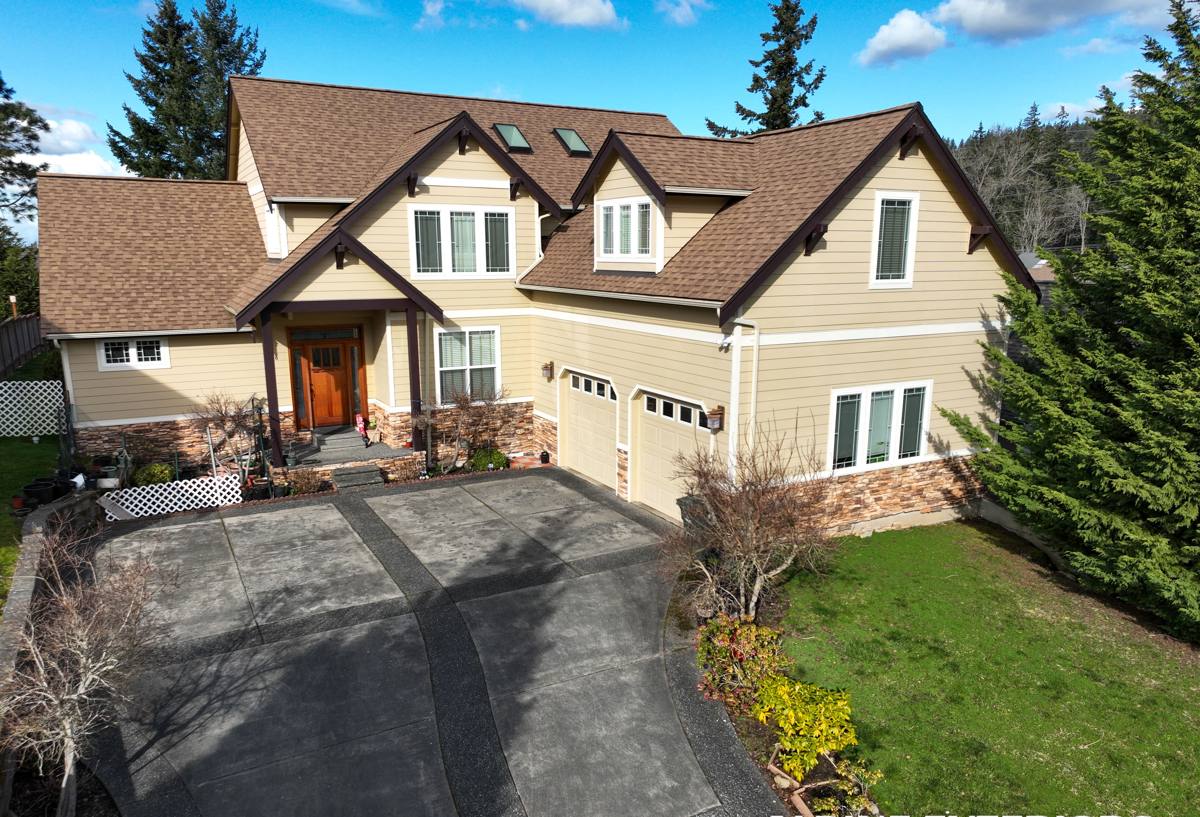
What Holmes Beach Weather Actually Does to a Shingle Roof
Wind
Sustained high winds and gusts during tropical systems put uplift pressure on shingles, especially at ridges, hips, rakes, and the first few courses at the eave. A roof that's fastened correctly and detailed at these edges resists that uplift. A roof that's shortcut at these same points is where storm damage almost always starts, even when the rest of the field holds fine.
UV Exposure
Florida sun is intense year-round, and a beachfront location gets extra reflected UV off the water and light-colored sand. UV breaks down the asphalt in a shingle over time, drying it out and accelerating granule loss. Granules are what protect the asphalt mat underneath from that same UV — once they thin out, the aging process speeds up on itself.
Wind-Driven Rain
It's rarely straight-down rain that causes leaks here — it's rain pushed sideways and even upward under shingle edges during a storm. That's a underlayment and flashing problem as much as a shingle problem, and it's one of the most common gaps we find on roofs that were installed to a minimum standard rather than an island standard.
Salt Air
Salt is corrosive to exposed metal — nail heads, drip edge, flashing, pipe boots, and vent housings. Once corrosion starts at a fastener, it can create a path for water long before the shingle above it shows any visible sign of a problem.
What a Correctly Built Shingle Roof Looks Like Out Here
A roof built for Holmes Beach isn't a different product line so much as a different set of decisions made at every layer, from the deck up:
- Roof deck inspected and any soft, delaminated, or water-stained sheathing replaced before anything goes back down — a great shingle over a bad deck is still a bad roof
- Wind-rated underlayment installed as a true secondary water barrier, not just a stapled-down formality, with attention to lap direction against prevailing wind
- Self-adhering, waterproof underlayment at valleys, eaves, and other vulnerable transitions where wind-driven rain concentrates
- Corrosion-resistant fasteners and flashing, since standard-grade metal has a shorter service life this close to salt water
- Shingles fastened per manufacturer's high-wind nailing pattern, with correct nail placement, count, and depth — this is the single most common corner cut on rushed jobs, and it's invisible once the roof is finished
- Proper edge and starter-course detailing at rakes and eaves, where uplift begins
- Balanced attic ventilation, so heat and moisture don't build up under the deck and shorten the shingle's life from underneath
Choosing the Right Shingle for a Coastal Property
Not every asphalt shingle is built to the same standard, and on a barrier island the difference matters more than it would inland. Here's how the common options generally compare:
| Shingle Type | Typical Wind Rating | Impact / Hail Resistance | Best Fit For |
|---|---|---|---|
| 3-Tab Strip Shingle | Lower end of the range | Standard | Budget-driven projects inland; not our first recommendation directly on the coast |
| Standard Architectural (Laminate) | Mid-to-high range | Standard | Most Holmes Beach homes when paired with correct underlayment and fastening |
| Impact-Rated (Class 4) Architectural | High end of the range | Reinforced, UL 2218 Class 4 tested | Homes prioritizing storm resilience and potential insurance credit |
We work with major manufacturers such as GAF, Owens Corning, and CertainTeed, and we'll walk you through which product line makes sense for your roof's pitch, exposure, and budget rather than pushing one option across every job. The right shingle for a shaded inland roof and the right shingle for a wide-open beachfront roof aren't always the same one.
A Note on Product Choices We Steer Away From
Some lower-tier shingle products trade long-term coastal performance for a lower upfront price — thinner mats, lighter granule coverage, or fastening tolerances that assume calmer wind conditions. We're honest about those trade-offs upfront: a cheaper shingle can be the right call for a detached shed or a low-exposure section, but we won't quietly install it on a primary roof facing open water and call it equivalent to a heavier-duty product. That's a maintenance and warranty conversation we'd rather have before the job than after a storm.
Our Process on a Holmes Beach Roof
- Inspection and documentation — we look at the deck, existing flashing, ventilation, and any prior repair patchwork before quoting anything
- Written scope and material selection — you know exactly what shingle, underlayment, and flashing package you're getting and why
- Permitting — we handle the permit application with the local building department before work begins
- Tear-off — full removal of old roofing material down to the deck, not an overlay
- Deck repair — any compromised sheathing is replaced, not covered over
- Underlayment and flashing — installed per the coastal detailing described above, at valleys, eaves, walls, and penetrations
- Shingle installation — fastened to the manufacturer's high-wind pattern, not a generic minimum
- Ventilation check — intake and exhaust balanced so the new roof isn't fighting trapped attic heat from day one
- Final walkthrough and cleanup — magnetic nail sweep of the property and a walk-through so you know what was done
Permits and Local Requirements
Roof replacement in Holmes Beach requires a building permit and inspection, and as a barrier-island community in Manatee County, homes here are generally subject to Florida's coastal wind provisions, which affect things like fastening schedules and, on some scopes, opening protection. We handle the permit process as part of the job rather than leaving it to the homeowner, and we can walk you through what a wind mitigation inspection after the reroof might mean for your insurance premium — that's a conversation worth having with your insurance agent using the documentation from the completed job.
Why Local Experience on Anna Maria Island Matters
A roofing crew that regularly works Holmes Beach and the surrounding island communities already understands things a mainland-only crew has to learn on your job: how tight some island lots and driveways are for staging material and equipment, how seasonal traffic and bridge access affect scheduling, and which flashing and fastening details actually hold up here versus which ones just meet a paper minimum. That experience shows up in fewer surprises during the job and a roof that performs the way it's supposed to during the first real storm it faces, not just on a clear day at final inspection.
It also matters for response time. When wind or hail damage happens, homeowners on the island want a crew that can get out, document the damage properly for insurance, and start repairs without a long delay — not a company juggling that job alongside unrelated territory far away.
Maintaining a Shingle Roof in a Salt-Air Environment
Even a well-built roof benefits from a bit of upkeep out here:
- Rinse off accumulated salt spray and debris periodically rather than letting it sit indefinitely, especially on lower-slope sections
- Have flashing, pipe boots, and vent housings checked every couple of years for early corrosion, since metal fails before shingles usually show a problem
- Keep gutters clear so wind-driven rain has somewhere to go instead of backing up under the shingle edge
- After any named storm, have the roof looked at even if there's no visible leak — lifted tabs and compromised fastening aren't always obvious from the ground
Get a Straight Answer About Your Roof
If you're dealing with an aging shingle roof on your Holmes Beach property, or you just want a second opinion after a storm, we're happy to take a look and give you an honest read on what it actually needs — not an upsell. Fill out the form below for a free, no-pressure estimate.