 Bradenton Siding
 Siding Repair for Lakewood Ranch Homes
Lakewood Ranch sits inland from the coast but doesn't get a pass on Gulf Coast weather. Homes here still take the full brunt of Manatee County's climate: long stretches of intense summer UV, sudden wind-driven rain, and tropical-storm or hurricane-force wind events that push moisture and debris into every seam and joint in a home's exterior. Add in the fact that salt-laden air travels much farther inland than most homeowners assume, and you have a set of conditions that will find any weak point in a home's siding, whether that siding is five years old or twenty.
We're a Bradenton-based crew that works Lakewood Ranch regularly, and this page is specifically about siding repair in that community — what typically causes it, what a correct repair looks like, and why the details matter more than most homeowners realize until they've lived through a bad one.
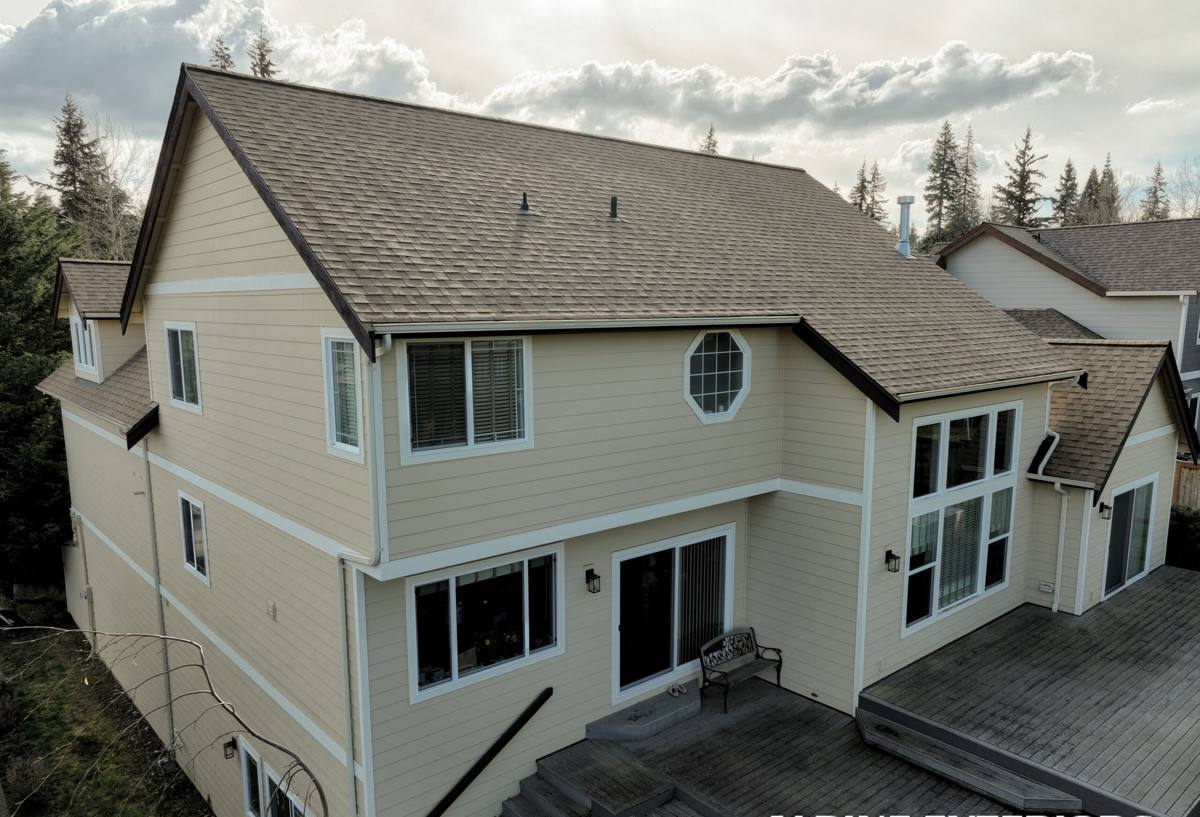
Why Lakewood Ranch Siding Takes a Beating
Lakewood Ranch is a large, largely newer-construction, deed-restricted community, which shapes what siding repair looks like here in a few practical ways. Many homes were built within the same general era, using similar products and details, which means when one style of siding starts failing on one street, it's usually failing — or about to — on the next street too. HOA architectural standards also mean color-matching and finish consistency aren't optional extras; they're often required, and mismatched patch jobs get noticed fast in a community this uniform.
On top of that, the region's weather pattern doesn't care about subdivision lines. Afternoon thunderstorms roll through with heavy, horizontal rain. UV exposure here is some of the most intense in the continental U.S., breaking down caulk, paint, and lesser siding materials well before their rated lifespan. And when a hurricane or tropical system does track through the area, homes across Lakewood Ranch see the same wind-driven debris and pressure-differential stress on their exterior cladding at the same time.
Common Damage Patterns We See
- Cracked or split boards near corners and window trim, where wind pressure concentrates
- Buckling or warping on walls that get the longest daily sun exposure
- Soft, swollen, or delaminating panels where moisture has been getting behind the siding, not just hitting the surface
- Failed caulk joints and gaps at trim, letting wind-driven rain track behind the cladding
- Faded or chalky finish that no longer matches surrounding boards
- Staining or discoloration near the bottom courses, often from splash-back, irrigation overspray, or salt residue
Repair or Replace? How We Actually Decide
Not every damaged section needs a full re-side, and not every "small" repair is actually small once you open the wall up. The honest answer depends on how far the damage has spread and what's happening behind the surface.
| Situation | Usually a Repair | Usually Points to Replacement |
|---|---|---|
| Damage location | Isolated to one or two boards or a single wall section | Spread across multiple walls or the whole elevation |
| Moisture behind siding | Surface only, sheathing is still dry and sound | Sheathing is soft, discolored, or shows rot |
| Age of existing siding | Product is still within its useful life and in generally good shape elsewhere | Siding is near or past its expected service life on the rest of the home |
| Color match | Existing color/finish can be matched closely enough to pass HOA review | Product is discontinued, faded unevenly, or an exact match isn't realistic |
| Underlying cause | A specific, fixable event (impact damage, a failed sealant joint) | A systemic issue — original installation defects, chronic moisture intrusion |
We don't default to "replace everything" as a sales tactic, and we don't patch over a problem that's clearly bigger than the visible damage either. Part of a proper repair estimate is opening things up enough to actually see what's going on before recommending a path.
What a Correct Siding Repair Actually Involves
A repair that just covers the visible crack or gap without addressing what let the damage happen in the first place tends to fail again within a season or two, especially in this climate. A repair done right includes:
- Removing enough surrounding material to see the full extent of the damage, not just the visible edge of it.
- Inspecting the water-resistive barrier and sheathing behind the removed section for moisture damage, and addressing anything found before closing the wall back up.
- Checking flashing and trim details around the repair area — a huge share of "siding" failures actually trace back to a flashing or sealant detail, not the siding material itself.
- Replacing damaged boards with matched product installed to the manufacturer's fastening and clearance specifications, not just nailed back up the way the old piece was.
- Re-sealing and finishing correctly, including proper joint treatment and touch-up that holds color and sheen against intense Florida sun rather than yellowing or chalking within a year.
A Quick Homeowner Checklist
- Walk your home's exterior after any significant storm and look for new cracks, gaps, or loose sections
- Check corners and trim boards first — they take the most wind stress
- Look for soft spots by pressing gently on suspect areas, not just visually scanning
- Note any interior signs — stains, musty smell, peeling paint on interior walls near exterior walls — which can indicate moisture has already gotten past the siding
- Don't wait on caulk gaps or hairline cracks; they're cheap to fix now and expensive once water gets behind them
Why We Repair With James Hardie — Not Whatever's On the Wall
We install James Hardie fiber cement exclusively, and that includes repair work. When a repair calls for replacing a section of existing non-Hardie siding, we'll walk you through the trade-offs honestly rather than just matching what's already there for convenience. There are a few reasons repair work specifically favors Hardie in a market like Lakewood Ranch:
- ColorPlus factory finish holds color and resists the fading and chalking that intense, near-year-round UV causes in field-applied paint — which matters a lot when you're trying to match a repair to surrounding boards.
- HZ5 formulation is engineered for hot, humid, storm-exposed climates like ours, with better resistance to moisture-related swelling and cracking than standard fiber cement or wood-based products.
- Non-combustible material that doesn't feed pests or rot the way wood-based siding can once moisture gets behind it.
- A repair that lasts — because a strong, transferable warranty and a proven track record don't mean much if the material itself isn't suited to the conditions.
If your existing siding is a product we don't install — vinyl, LP SmartSide, primed wood, or similar — we'll still give you a straight answer on whether a targeted repair makes sense or whether you're better off planning for a full re-side down the line. We won't tell you a product is failing when it isn't, but we also won't pretend every material ages the same way in this climate.
Our Process for Lakewood Ranch Jobs
Because we work in Lakewood Ranch regularly, we're familiar with the kind of HOA architectural review process common to planned communities like this one — submittal requirements, color approval, and the general expectation that repairs blend in rather than stand out. That familiarity saves homeowners real time versus a crew that's never dealt with a deed-restricted community before.
- On-site inspection — we look at the damage itself, the surrounding wall assembly, and likely root cause, not just the spot you called about.
- Honest scope and estimate — a clear breakdown of what needs repair versus what's cosmetic, with pricing that reflects the actual work involved.
- HOA-ready documentation when needed, so approval doesn't stall the project.
- Repair work performed to manufacturer specification, including proper flashing, fastening, and joint treatment — not just a cosmetic patch.
- Final walkthrough so you can see the finished match and ask questions before we consider the job done.
The Cost of Waiting
Siding damage in this climate rarely stays static. A cracked board or open joint that lets in wind-driven rain during one storm season becomes a soft sheathing problem by the next, and a soft sheathing problem becomes a much larger and more expensive repair once framing or interior finishes are affected. Salt air accelerates corrosion on any exposed fasteners or metal trim in the meantime. The homes we see with the most expensive repair bills are almost always ones where a small, cheap fix got put off for a year or two.
Get a Local, No-Pressure Estimate
If you're noticing cracked boards, gaps, soft spots, or fading on your Lakewood Ranch home, it's worth having a local crew take a look before the next storm season makes the problem worse. We'll give you a straight assessment of what's actually going on and what it will take to fix it right — no pressure, no inflated scope. Use the form below to request a free estimate.