 Bradenton Siding
 Siding Replacement Built for Lakewood Ranch's Climate
Lakewood Ranch sits inland from the Gulf, straddling Manatee and Sarasota counties, but "inland" doesn't mean sheltered. Homes here still take a beating from the same weather that hits the coast: tropical systems that bring sustained hurricane-force wind and hours of wind-driven rain, brutal year-round UV that never really lets up even in winter, and salt-laden air that rides inland on sea breezes off Tampa Bay and the Gulf. Siding replacement in this community isn't just a cosmetic upgrade — it's the point where a home either gets a wall system that can shrug off another decade of that punishment, or gets a repeat of whatever failed the first time.
We work Lakewood Ranch regularly, and the pattern is consistent. Homes built during the community's big growth years are hitting the age where original siding — whatever the builder specified — is showing its limits. Wind-driven rain finds every gap in flashing and caulking. UV chalks and fades paint faster than most homeowners expect. And in a storm, siding that isn't rated for high wind zones is one of the first things to fail, which then exposes the house wrap, sheathing, and interior to water intrusion.
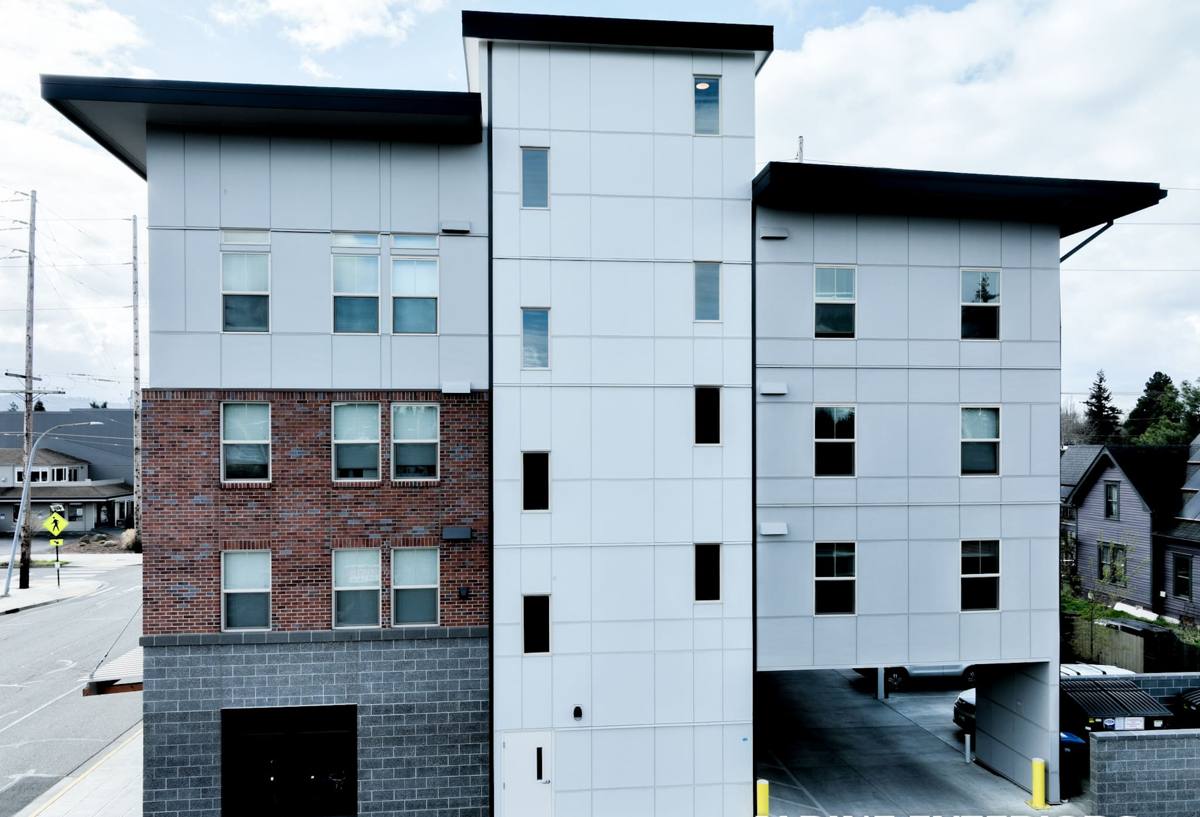
Signs a Lakewood Ranch Home Needs Siding Replaced, Not Patched
Not every siding problem calls for a full replacement. But there's a difference between a cosmetic touch-up and a system that's actually failing. Watch for:
- Soft or spongy spots when you press on the siding, especially near the bottom courses and around windows — a sign moisture has reached the substrate
- Paint that's peeling or bubbling rather than just chalking, which often means moisture is trying to escape from behind the siding
- Visible warping, buckling, or panels pulling away from the wall, particularly after a wind event
- Persistent staining or streaking that pressure washing won't remove
- Cracked or split boards at seams, corners, and butt joints where water intrusion typically starts
- A musty smell or interior wall staining that suggests moisture is already past the siding layer
If you're seeing more than one of these, especially the soft-spot or staining combination, it's usually cheaper in the long run to replace the affected sections — or the whole elevation — than to keep patching a system that's already compromised underneath.
What a Correct Siding Replacement Actually Involves
A siding replacement is only as good as what happens after the old siding comes off and before the new siding goes on. That in-between stage is where most long-term failures get built in — or avoided.
Tear-Off and Inspection
Full removal of the old siding down to the sheathing, followed by an honest look at what's underneath. In Florida's humidity, it's common to find soft sheathing, rusted fasteners, or compromised house wrap that wasn't visible from the outside. This is the point where problems get fixed, not covered up.
Weather Barrier and Flashing
A new, continuous water-resistive barrier goes over the sheathing, with flashing detailed correctly at every window, door, and penetration. This layer is what actually stops wind-driven rain from reaching your framing — the siding itself is the second line of defense, not the only one.
Fastening for Wind Zone
Manatee County falls under Florida Building Code wind provisions that dictate fastener type, spacing, and pattern based on the product and the home's exposure. Fastening siding "close enough" is one of the most common shortcuts we see on prior installs — it's invisible until a storm tests it.
Trim, Caulking, and Paint
Correct sealant at every joint and transition, and a factory or field finish applied to spec. This is also where color and reveal choices get finalized to match whatever look the homeowner and, in many Lakewood Ranch neighborhoods, the community's architectural guidelines call for.
Why We Install Only James Hardie Fiber Cement
We've made a deliberate choice not to install vinyl, LP SmartSide, or other fiber cement brands, and it's worth explaining why rather than just stating it. Vinyl is inexpensive and low-maintenance in mild climates, but it softens and can deform in extreme heat and is more vulnerable to wind-driven debris than fiber cement — real considerations in a region that sees both. Engineered wood products bring moisture-management requirements that raise the stakes if installation details or long-term maintenance slip. Other fiber cement brands are reasonable products, but we've standardized on one system so our crews install it the same correct way every time, rather than juggling different manufacturer specs across jobs.
James Hardie fiber cement is non-combustible, holds paint and color far longer than vinyl in intense UV, and its HZ10 product line is engineered specifically for high-humidity, storm-prone climates like ours. The ColorPlus factory finish resists fading and chipping better than field-applied paint, and the product carries a strong transferable warranty when installed to Hardie's specifications — which matters if you ever sell the home. It's not the cheapest option on the shelf, but it's the one we're willing to stand behind on every Lakewood Ranch roofline we touch.
HOA and Community Guidelines in Lakewood Ranch
Much of Lakewood Ranch is organized under homeowners associations and community development districts with architectural review requirements — color palettes, trim details, and sometimes material specifications that vary by neighborhood. Before we order material, we confirm what your specific community requires so the color and profile you choose gets approved without a delay. James Hardie's factory-finished ColorPlus palette makes this easier in most cases, since the color is baked in and consistent from board to board, which review boards tend to prefer over field-mixed paint matches.
If you're not sure what your HOA requires, we can walk through the submission process with you — but the underlying paperwork and approval timeline is between you and your community association, and it's worth starting that conversation early so it doesn't hold up your project.
Our Process, Start to Finish
- On-site assessment — we inspect the current siding, sheathing condition where accessible, and take measurements for an accurate estimate
- Written estimate — scope, product line, color, and timeline laid out plainly, with no pressure to sign on the spot
- HOA coordination — if your community requires architectural approval, we help you assemble what's needed
- Material order and scheduling — James Hardie product ordered to spec, crew scheduled around Florida's weather patterns
- Tear-off, barrier, and install — done in the sequence above, with fastening and flashing checked at each stage
- Final walkthrough — we go over the finished work with you before calling the job complete
What Drives the Cost of Siding Replacement
| Factor | Why It Matters |
|---|---|
| Home size and elevation count | More square footage and more corners/dormers means more cutting, flashing, and labor time |
| Current siding removal | Multiple layers of old material or hidden rot add tear-off and repair time |
| Substrate repair | Soft or damaged sheathing found during tear-off needs to be replaced before new siding goes on |
| Product line and profile | Lap width, texture, and trim details affect material cost and install time |
| Color | Factory ColorPlus finishes cost more upfront than field-painted color but hold up longer under Florida UV |
| HOA-driven specifications | Community-mandated colors or trim details can narrow product choices and affect lead time |
Questions Worth Asking Before You Hire
- Are you licensed and insured to do exterior work in Manatee County?
- What weather-resistive barrier and flashing details do you use, and can you explain why?
- How do you fasten siding to meet Florida Building Code wind requirements for this address?
- Will you handle or assist with HOA/architectural review submissions?
- What's included in the manufacturer's warranty, and is it transferable if I sell the home?
- Do you have a written scope of work before any deposit changes hands?
Why Local Experience in Lakewood Ranch Matters
Siding installed correctly in a mild inland climate can still fail here if it wasn't specified and fastened for coastal Florida's wind and moisture load. A crew that regularly works Lakewood Ranch already knows the wind zone requirements for Manatee County, has been through the HOA approval process in various neighborhoods, and has seen firsthand which installation shortcuts show up as problems five years later. That familiarity shows up in fewer surprises during your project and a system that's actually built for what this area throws at it — not just what's easiest to install.
If your siding is showing its age or you're planning ahead for a replacement, we're happy to take a look and walk you through what we'd recommend. Reach out for a free, no-pressure estimate using the form below.