 Bradenton Siding
 Why Decks in Lakewood Ranch Wear Out Faster Than You'd Think
Lakewood Ranch homes sit in one of the more demanding climates in the country for outdoor structures. Between the intense, near year-round UV exposure, the wind-driven rain that rolls through during summer storms, hurricane-force gusts during the active season, and the salt-laden air drifting inland from the Gulf, a deck here takes a beating that a deck in a drier, milder climate simply never sees. That combination doesn't just fade a deck's color — it works on the structure itself, the fasteners holding it together, and the ground it's anchored into.
Most homeowners in Manatee County don't think about their deck until something feels wrong underfoot — a soft board, a wobble in the railing, a post that's started to lean. By the time those signs show up, the damage is usually well past a simple repair. Understanding why that happens is the first step in deciding whether your deck needs patching or a full replacement.
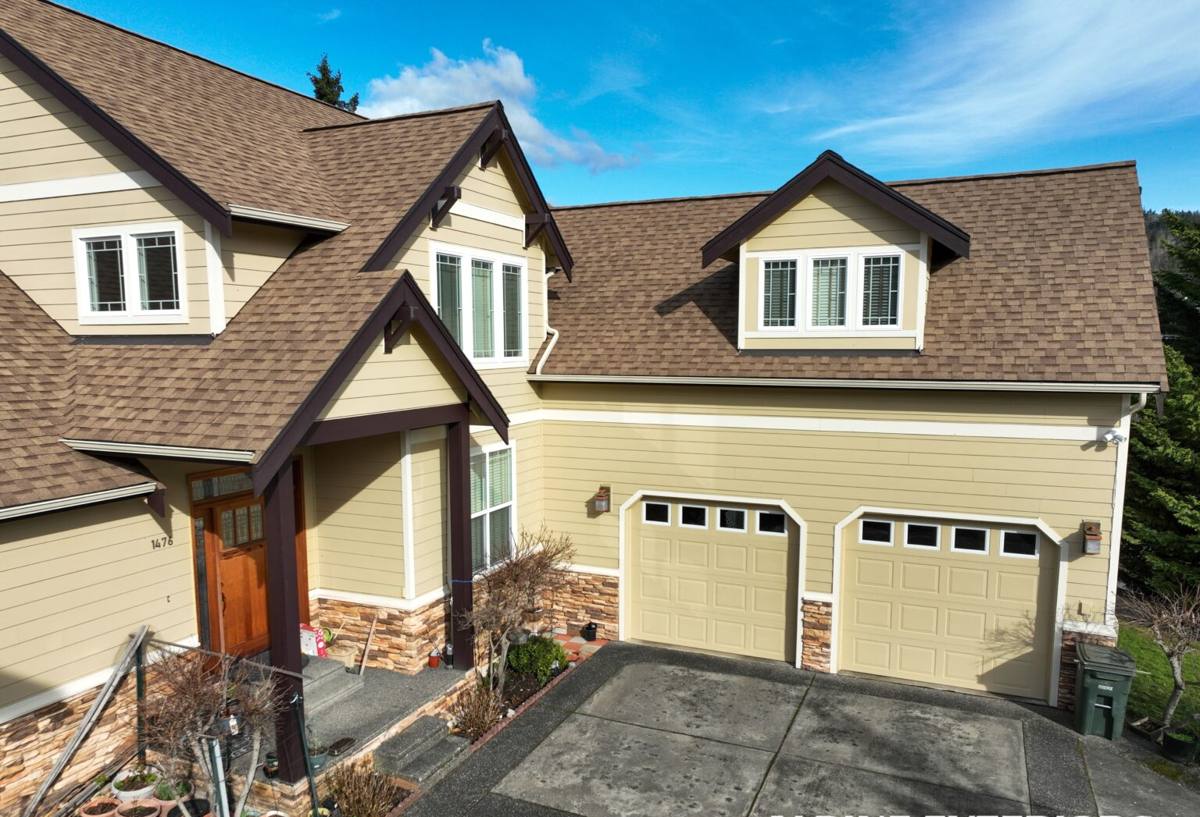
What Florida Weather Actually Does to a Deck
UV Breakdown
Florida sun is stronger and more constant than what decking materials in most parts of the country are rated for. UV exposure breaks down the lignin in wood fibers, causing graying, splintering, and surface checking. It also degrades the plasticizers in lower-grade composite boards over time, leading to fading and a chalky surface texture.
Wind-Driven Rain and Moisture Cycling
It's rarely a straight-down rain here — storms push water sideways into railings, under boards, and into any gap in the framing. That moisture gets trapped, then baked out by the sun, then soaked again the next afternoon. This wet-dry cycling is what causes wood to cup, crack, and rot from the inside, often while the surface still looks fine.
Salt Air and Corrosion
Even well inland from the coast, salt carried on Gulf breezes accelerates corrosion on any exposed metal — screws, joist hangers, bolts, and railing brackets. Standard fasteners that would last decades in a landlocked state can start rusting and losing holding strength in a fraction of that time here.
Wind Load
Manatee County sits in a region built for hurricane-force wind events. A deck's structural connections — how the ledger board attaches to the house, how posts anchor to footings, how railings are braced — all need to be built to hold up under real wind uplift and lateral load, not just support foot traffic on a calm day.
Signs Your Deck Needs Replacement, Not Just Repair
- Soft, spongy, or bouncy spots in the decking surface
- Visible rot, mold, or dark staining at board ends and around fasteners
- Railings or posts that wobble or flex when pushed
- Rust streaks bleeding from screw heads or metal connectors
- Gaps opening up between the ledger board and the house
- A structure more than 15-20 years old that has never been re-fastened or re-flashed
- Multiple past repairs that keep failing in new spots
One or two of these on their own might mean a targeted repair. Several at once, especially anything involving the framing or ledger connection, usually means the deck has reached the point where replacement is the more honest — and often more cost-effective — answer than chasing repairs year after year.
Choosing Decking Material for a Bradenton Climate
There's no single "best" decking material — there's a best fit for how you use the deck, your budget, and how much upkeep you're willing to do. Here's how the common options actually perform under Manatee County conditions:
| Material | UV & Moisture Behavior | Maintenance | Typical Lifespan Here |
|---|---|---|---|
| Pressure-Treated Pine | Prone to cupping, checking, and graying without regular sealing | Annual cleaning and re-sealing recommended | 10-15 years with upkeep |
| Composite Decking | Resists rot; quality affects UV fade resistance and moisture uptake at cut edges | Periodic cleaning; no sealing or staining | 20-25+ years |
| PVC/Capped Polymer | Fully sealed surface resists moisture and salt exposure well | Low; occasional cleaning | 25-30+ years |
| Tropical Hardwoods (e.g. Ipe) | Naturally dense and rot-resistant, but demands consistent oiling to hold color | Higher — regular oiling to prevent graying and checking | 20-25+ years with upkeep |
For most Lakewood Ranch homeowners, composite or capped PVC decking makes the most sense given the moisture cycling and salt air — the reduced maintenance burden and consistent moisture resistance pay off over the life of the deck. That said, we install what fits your budget and how you plan to use the space, and we'll walk you through the honest trade-offs of each rather than pushing one product line.
What a Correct Deck Replacement Actually Involves
A deck is only as good as what's underneath and behind the decking boards. A proper replacement in this climate goes well beyond swapping old boards for new ones:
Structural Framing
Joists, beams, and posts sized and spaced to current code, using framing lumber or composite substructure rated for ground contact and moisture exposure where applicable.
Ledger Board Attachment and Flashing
This is where most deck failures start. The ledger board — the piece bolted to your house that the deck hangs from — needs proper flashing to keep wind-driven rain from getting behind it and rotting the house's rim joist, plus correctly rated structural fasteners, not just deck screws.
Footings and Post Anchors
Footings sized and set to local code depth, with post bases that keep wood off standing water and metal connectors rated for coastal-adjacent corrosion resistance.
Fasteners and Hardware
Stainless steel or coated fasteners rated for the salt air common to our area — not standard hardware that will streak and weaken within a few seasons.
Railings and Guards
Built to current code height and baluster spacing, with connections engineered to handle both everyday use and wind load, not just decorative attachment.
Permits, Codes, and Wind Requirements
Deck replacement in Bradenton and unincorporated Manatee County typically requires a building permit, since it involves structural work attached to the home. Requirements can vary depending on your deck's size, height, and whether it's attached or freestanding, and whether Lakewood Ranch falls under county or a specific municipal jurisdiction for your address. We handle the permitting process as part of the job so you're not left tracking down inspections on your own, and we build to the wind and structural standards required in this part of Florida — not the minimum standards written for a less demanding climate.
Our Process, Start to Finish
- On-site assessment — we inspect the existing deck, ledger connection, and framing to determine what's salvageable and what isn't
- Honest scope and estimate — a clear breakdown of what needs replacing and why, with material options and straightforward pricing
- Permitting — we pull the required permits and schedule inspections
- Demolition and disposal — full removal of the old structure, checking the house connection point for hidden rot before rebuilding
- Framing and structural work — new footings, posts, beams, joists, and properly flashed ledger attachment
- Decking, railing, and stairs — installed to your chosen material and layout
- Final walkthrough and inspection sign-off — we don't consider the job done until it passes inspection and you've walked it with us
Keeping Your New Deck Performing in This Climate
- Rinse off salt residue, pollen, and debris every few weeks, more often after storms
- Check railing connections and stair stringers once or twice a year for looseness
- Keep gutters and downspouts near the deck clear so runoff isn't pooling against posts or footings
- For wood decking, plan on resealing on a regular schedule rather than waiting until it visibly grays
- Have the ledger flashing and any fastener corrosion checked periodically, especially after major storm seasons
Why Local Lakewood Ranch Experience Matters
A deck built to a generic national code minimum isn't necessarily built for what a Manatee County storm season will throw at it. Working in and around Lakewood Ranch regularly means knowing which details actually matter here — the flashing details that keep wind-driven rain out, the fastener grades that hold up against salt air, the footing depths that satisfy local inspectors, and the framing choices that hold up to real wind load rather than just looking finished on installation day. That local familiarity is what separates a deck that needs attention again in a few years from one that's still solid a couple of decades from now.
If your deck is showing its age, feels unstable, or you're just planning ahead before it becomes a problem, we're happy to take a look and give you a straightforward assessment. Reach out for a free, no-pressure estimate using the form below — there's no obligation, just an honest read on where your deck stands.