 Bradenton Siding
 Samoset Roofs Work Harder Than Most
Samoset sits close enough to the water and open enough to weather that its roofs take a different beating than homes further inland. Between hurricane-force wind gusts, near-constant UV exposure, wind-driven rain that finds every weak seam, and salt air that speeds up corrosion on metal fasteners and flashing, an asphalt shingle roof here ages faster than the same roof would in a milder climate. That's not a scare tactic — it's just what Manatee County weather does to a roof over time, and it's why the details of installation matter more here than they would somewhere with calmer seasons.
This page covers what a correctly installed or repaired asphalt shingle roof looks like for a Samoset home, what our process involves, and why working with a crew that's already familiar with this specific pocket of Bradenton makes a real difference.
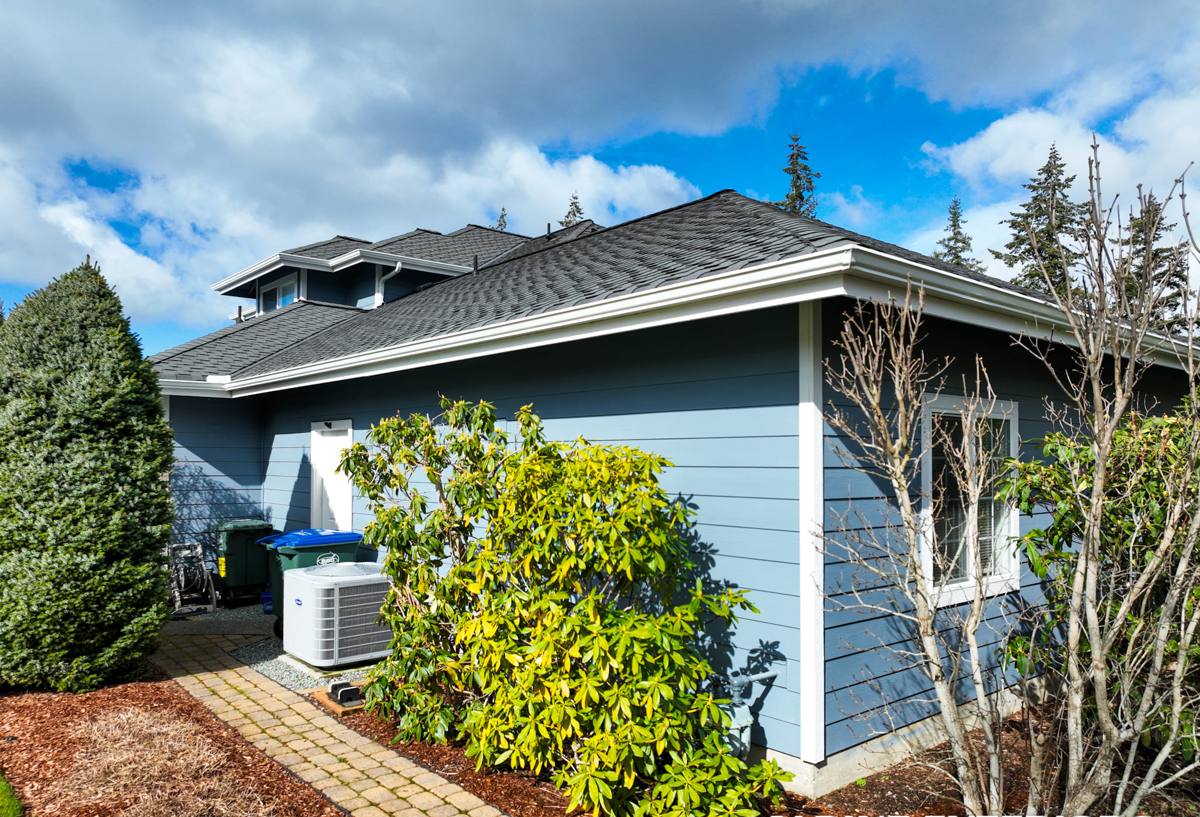
What Bradenton's Climate Actually Does to a Shingle Roof
Wind
Samoset isn't oceanfront, but it's still well within reach of tropical storm and hurricane wind bands. Shingles are rated for specific wind speeds, and that rating only holds up if the shingles are actually installed to meet it — correct nail count, correct nail placement, and starter strip and hip/ridge details done right. A shingle roof that looks fine from the ground can still be under-nailed or missing proper edge treatment, and that's exactly the kind of roof that loses shingles in the first real wind event.
UV and Heat
Florida sun is relentless on roofing materials nearly year-round. UV breaks down the asphalt in shingles over time, drying out the mat and making the granules loosen and shed. Attic heat compounds this from underneath — a poorly ventilated attic bakes the underside of the shingles, which shortens their service life regardless of how good the shingle itself is.
Wind-Driven Rain
Straight-down rain is easy for any roof to shed. Wind-driven rain is different — it can push water sideways and upward under shingle edges, around penetrations, and along valleys. This is where underlayment, flashing, and valley detailing do the real work of keeping a home dry, not just the shingles themselves.
Salt Air
Even away from the immediate coastline, Bradenton's salt-laden air accelerates corrosion on exposed metal — nails, flashing, vent caps, and fasteners. Roofing hardware that isn't rated for coastal-adjacent exposure can rust and weaken years before it should, which is a quiet failure point that doesn't show up until a leak does.
What a Correct Asphalt Shingle Roof Requires Here
A roof that's going to hold up under Manatee County conditions needs more than shingles nailed to plywood. The components that matter most, in order of how often we see them skipped or done poorly:
- Wind-rated shingles, installed to their rated nailing pattern — not the minimum, the manufacturer's actual spec for the wind zone.
- A full synthetic or self-adhering underlayment layer as the real waterproofing barrier beneath the shingles.
- Properly lapped and sealed valleys, since valleys concentrate water flow and are a common leak origin.
- Balanced attic ventilation — intake at the eaves, exhaust at the ridge — so heat and moisture don't get trapped against the roof deck.
- Corrosion-resistant fasteners and flashing suited to salt-air exposure, not bargain-grade hardware.
- Correct starter strip and drip edge at every eave and rake, which is one of the most commonly shortcut details on lower-quality installs.
None of these are exotic upgrades — they're baseline requirements for a shingle roof that's actually built for this area instead of just installed quickly.
Signs a Samoset Roof Needs Attention
Asphalt shingle roofs rarely fail all at once. They show warning signs first, and catching them early is almost always cheaper than waiting for a leak. Worth checking for, or having us check for:
- Granules collecting in gutters or at downspouts — a sign shingles are wearing thin
- Curling, cupping, or cracked shingles, especially on south- and west-facing slopes
- Missing shingles or exposed nail heads after a storm
- Soft spots or sagging when walked on the deck below
- Rust streaks near flashing, vents, or valleys
- Daylight visible through the attic roof deck
- Water stains on interior ceilings, even small or faint ones
- Shingles that feel brittle rather than flexible when lifted at an edge
Any one of these on its own isn't necessarily an emergency, but several together usually mean the roof is past routine maintenance and into repair-or-replace territory.
Our Process for Samoset Asphalt Shingle Roofing
- On-site inspection. We walk the roof, check the attic, and look at flashing, valleys, and ventilation — not just the shingle surface — to figure out whether the job is a repair or a full replacement.
- Honest scope and written estimate. You get a clear breakdown of what's needed and why, in plain language, before any work starts.
- Tear-off and deck check (for replacements). We remove old material down to the deck and inspect for rot or soft spots before anything new goes down — covering over a bad deck just hides a bigger problem.
- Underlayment and flashing first. The waterproofing layer and all flashing details go in before a single shingle is laid, since this is what actually keeps wind-driven rain out.
- Shingle installation to wind-zone spec. Correct nailing pattern, starter strips, and hip/ridge detailing — done to the manufacturer's requirements for this area, not a shortcut version.
- Ventilation check and correction. We confirm intake and exhaust are balanced so the new roof isn't fighting trapped attic heat from day one.
- Final walkthrough. We go over the finished roof with you and answer any questions before calling the job done.
Shingle Options and Cost Factors
Asphalt shingles come in a few tiers, and the right choice depends on budget, wind rating needs, and how long you want the roof to last. Here's a general comparison — actual pricing depends on roof size, pitch, layers to remove, and current condition, which is why we quote after an on-site look rather than over the phone.
| Shingle Type | Typical Wind Rating | Expected Lifespan | Best Fit |
|---|---|---|---|
| 3-tab / standard shingle | Lower end of rated range | Budget-conscious jobs, secondary structures | |
| Architectural / laminated | Higher, varies by product | Longer than 3-tab | Most Samoset homes — best balance of cost and durability |
| Impact-rated architectural | Highest available in shingle category | Comparable to standard architectural | Homes prioritizing storm resilience, possible insurance credit |
Beyond the shingle tier itself, the factors that move price the most are roof pitch and complexity (valleys, dormers, multiple planes), how many layers of old roofing need to come off, deck repairs found during tear-off, and ventilation upgrades if the current attic setup is inadequate.
Cost Factors Worth Understanding
- Full tear-off vs. overlay — we generally recommend tear-off in this climate so underlayment and deck condition can actually be verified
- Roof complexity — more valleys and penetrations mean more labor and flashing detail
- Deck repairs — rot found during tear-off is priced as it's discovered, not guessed at upfront
- Ventilation corrections — sometimes a modest addition, sometimes more involved depending on the attic's current setup
Why a Local Samoset Crew Matters
A roofing crew that regularly works in and around Samoset already understands the wind zone requirements Manatee County permitting applies, knows what local building department inspections typically look for, and has a feel for how homes in this area were originally built — which matters when matching flashing details or figuring out attic ventilation on an older structure. That local familiarity shortens the guesswork and reduces the chance of a permitting delay or a failed inspection over a missed detail.
It also matters after the storm season starts. A crew that's local can respond faster for storm damage assessments and emergency tarping than one dispatched from farther away, and they're not disappearing after the check clears — a genuinely local contractor has a reputation in the community to protect.
Maintenance That Extends a Shingle Roof's Life Here
Even a well-installed roof benefits from basic upkeep in this climate:
- Keep gutters and downspouts clear so water isn't backing up under the eaves
- Trim overhanging branches that drop debris or scrape shingles in wind
- Have the roof looked at after any major storm, even if nothing looks obviously wrong
- Address small leaks or missing shingles quickly rather than waiting
- Get a periodic check of attic ventilation, since blocked soffit vents are a common and easy-to-miss issue
None of this is expensive or time-consuming, but it's the difference between a shingle roof that reaches its full expected life and one that needs early replacement because small issues were left alone.
Get a Straight Answer on Your Samoset Roof
If you're dealing with wind damage, an aging roof, or just want an honest read on where things stand, we're glad to come take a look. The estimate is free, there's no pressure to move forward, and you'll get a clear explanation of what we see and what it would take to fix it — use the form below to get started.