 Bradenton Siding
 Storm Damage Roof Repair Built for Lakewood Ranch
Lakewood Ranch homes take a specific kind of beating each year. It isn't just the named storms that roll through Manatee County — it's the steady grind of Gulf Coast weather between them. A roof here has to survive tropical-storm-force wind gusts, sideways rain that finds every loose seam, sun exposure that runs close to year-round, and salt-laden air drifting in off the coast. When that combination finds a weak point in a roof, it usually doesn't announce itself with a dramatic hole. It shows up as a slow leak, a lifted shingle tab, or a cracked tile that gets worse with the next thing that blows through. Storm damage roof repair in this area isn't a generic service — it's a response to a specific, repeatable set of failure patterns we see on Lakewood Ranch roofs, and fixing it correctly means understanding those patterns before you touch a single shingle or tile.
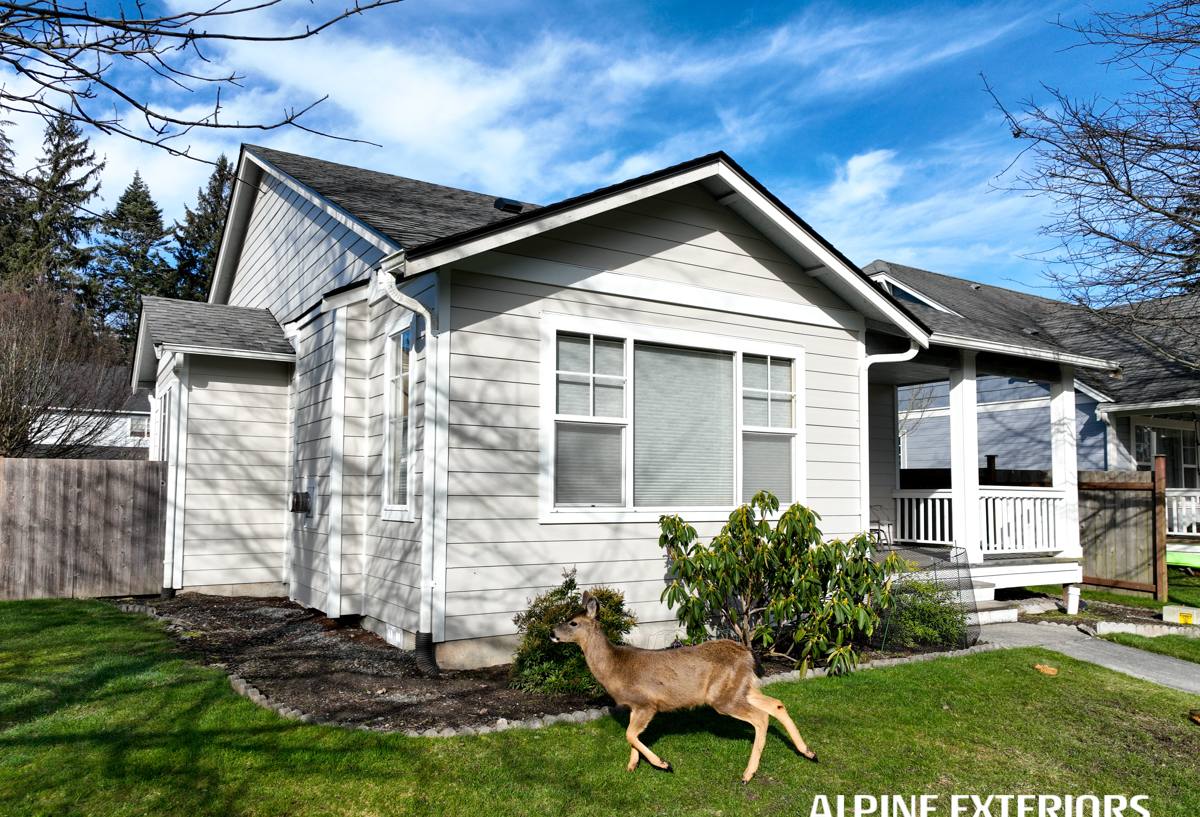
What Bradenton's Climate Actually Does to a Roof
Every roofing claim we look at in this area traces back to one or more of the same four stressors. Understanding them is the difference between a repair that holds and one you're paying for again next season.
Wind Uplift
Hurricane-force and tropical-storm gusts don't push down on a roof — they pull up on it. Wind moving across a roofline creates negative pressure at the edges, ridges, and any spot where a shingle or tile is already loose. That's why storm damage almost always starts at the perimeter and works inward, and why a roof that "looks fine" from the ground can have compromised edge fastening that only shows up on a close inspection.
Wind-Driven Rain
Straight-down rain rarely causes a leak on a properly installed roof. Rain driven sideways at 40-70 mph is a different problem — it gets pushed under shingle tabs, up under tile laps, and into any nail hole or flashing seam that isn't fully sealed. This is the mechanism behind most "mystery leaks" that show up during or right after a storm with no obvious missing material on the surface.
Constant UV Exposure
Florida's sun load is high nearly year-round, not just in summer. UV breaks down asphalt shingle mat and dries out the plasticizers in underlayment and sealant over time, making materials more brittle right when storm season needs them to flex. A roof that's already UV-fatigued sustains more damage from the same wind event than a newer one.
Salt Air
Lakewood Ranch sits inland of the immediate coastline, but salt-laden air still moves through the region and accelerates corrosion on exposed metal — nail heads, flashing, drip edge, and fasteners on tile roofs. Corroded fasteners lose holding strength well before they show visible rust on the surface, which is part of why post-storm inspections need to check fastener condition, not just count missing shingles.
Signs Your Lakewood Ranch Roof Has Storm Damage
Some damage is obvious from the driveway. Most of it isn't. After any significant wind or rain event, it's worth checking for these signs, or having someone check for you:
- Shingle tabs that look lifted, curled, or slightly out of line with their neighbors
- Granules collecting in gutters or at downspout outlets
- Cracked, slipped, or missing roof tiles, especially near ridges and hips
- Water stains on interior ceilings or in the attic, even faint or dried ones
- Soft spots or discoloration around chimney flashing, vent boots, or skylights
- Debris damage or dents on the roof surface from wind-blown branches or hail
- Visible daylight through the roof deck when viewed from inside the attic
- Loose or missing ridge cap material along the peak of the roof
None of these individually mean a full roof replacement is coming. But every one of them means water has a path in, and that path gets worse — not better — with the next storm.
What a Correct Storm Damage Repair Actually Involves
Inspection Before Anything Gets Touched
A rushed repair patches the visible symptom and misses the cause. Before any material comes off or goes on, we walk the full roof plane, check the attic from underneath for moisture staining, and test surrounding areas that look intact but sit next to visible damage — because wind uplift rarely stays confined to exactly the spot that failed first.
Matching Materials, Not Just Covering the Gap
Lakewood Ranch has a mix of roofing types — architectural shingle is common, and tile is also widely used across the community's newer construction. Repairing a section means matching profile, color, and in the case of tile, often sourcing a compatible style since exact discontinued matches aren't always available. A mismatched patch is a cosmetic problem today and a future negotiating point when you go to sell the house.
Rebuilding the Water Barrier, Not Just the Surface
The shingles or tiles are the visible layer, but underlayment and flashing are what actually stop water. A correct repair replaces compromised underlayment in the affected section, re-seats or replaces flashing around penetrations, and re-nails to current wind-resistance standards — not just to whatever held the old material in place for however many years it was up there.
Our Process for a Lakewood Ranch Storm Repair
- Assessment: Full roof and attic inspection, documented with photos of every area of concern, whether storm-related or pre-existing.
- Scope and estimate: A clear written breakdown of what's damaged, what needs replacing, and what can be safely left alone — no upsell padding.
- Temporary protection: If the roof is actively leaking or exposed, we can install temporary covering to stop active water intrusion while repair materials are sourced.
- Repair: Removal of damaged material, deck inspection underneath, underlayment and flashing repair, and reinstallation matched to the surrounding roof.
- Final check: A walk-through of the completed work and a straightforward explanation of what was done and why.
Repair or Replace? How We Help You Decide
Not every storm-damaged roof needs to come off. The right call depends on the roof's age, the extent of the damage, and how much of the roof is affected relative to its remaining service life.
| Factor | Leans Toward Repair | Leans Toward Replacement |
|---|---|---|
| Roof age | Under 10-12 years | Near or past expected service life |
| Extent of damage | Isolated section or slope | Widespread across multiple slopes |
| Underlying deck condition | Solid, dry decking | Rotted or soft decking found on inspection |
| Material availability | Matching material still obtainable | Discontinued profile, poor match likely |
| Prior storm history | First significant damage event | Repeated damage over several seasons |
| Insurance scope | Adjuster approves repair scope | Adjuster approves full replacement |
We'll tell you honestly which side of that table your roof falls on. A roof with a good structural deck and a few storms left in its shingles or tiles doesn't need to be replaced just because it's easier to sell that way — and a roof that's had three "repairs" in five years is usually telling you something a fourth patch won't fix.
Working With Your Insurance Claim
Most storm damage repair in this area gets paid for at least in part through a homeowner's insurance claim. A few things make that process go smoother:
- Document damage with photos as soon as it's safe to do so, before any temporary repairs
- Get an independent inspection and written scope before the adjuster visit, so you have your own record of what's damaged
- Keep receipts for any emergency tarping or temporary protection — those are typically reimbursable
- Ask for the adjuster's full scope in writing and compare it against your contractor's assessment
We provide documentation homeowners can use with their insurer, but we work for the homeowner — not the insurance company. If a scope looks short relative to what we actually find on the roof, we'll say so plainly.
Why Local Experience in Lakewood Ranch Matters
A roofing crew that only shows up after a named storm — sometimes from out of state, sometimes gone again within weeks — has no reason to stand behind the work a year later. A crew based in the Bradenton area and working Manatee County roofs year-round has a different set of incentives: we'll be the ones you call if something doesn't hold up, and our reputation in this community depends on that repair being right the first time. That also means we already know the material patterns common to Lakewood Ranch construction, the inspection points that tend to fail first in this climate, and how to document a claim in a way that holds up with local adjusters.
A Few Things to Ask Before You Hire Anyone
- Are you licensed to do roofing work in Florida, and can you provide proof of insurance?
- Will you provide a written, itemized scope before work begins?
- Do you have a physical presence or history of work in this area, or are you here just for this storm season?
- What warranty applies to the repair work itself, separate from the manufacturer's material warranty?
- Will you inspect the full roof, or only the section that's visibly damaged?
If a contractor won't put a scope in writing or can't answer where they'll be if a problem shows up in six months, that's worth weighing before you sign anything.
Get an Honest Look at Your Roof
Storm damage doesn't always look serious from the ground, and it doesn't always wait for the next named storm to get worse. If your Lakewood Ranch roof has been through recent wind or rain and something looks off — or even if you just want a professional set of eyes on it before storm season peaks — we're glad to come take a look. The estimate is free, there's no pressure attached to it, and you'll get a straight answer about what's actually going on with your roof. Use the form below to get started.