 Bradenton Siding
 Asphalt Shingle Roofing Built for the Way Lakewood Ranch Weather Actually Behaves
Lakewood Ranch sits inland from the coast, but "inland" in Manatee County doesn't mean sheltered. Hurricane-force winds still push through on their way north from the Gulf, summer storms roll in almost daily from June through September, and the sun here is intense enough to break down roofing materials faster than it would in most of the country. Add in salt-laden air that drifts in on Gulf breezes and settles on every exposed surface, and you've got a climate that is genuinely tough on asphalt shingles — even good ones, installed by people who don't know how to account for it.
A shingle roof that's correctly specified and installed for this area looks a lot like a shingle roof anywhere else on the surface. The difference is underneath: the underlayment, the nailing pattern, the flashing details, and the ventilation are where a roof either holds up through a decade of Florida summers or starts failing in year six or seven. This page covers what that actually means for a Lakewood Ranch home, and what our process looks like from first inspection to final walkthrough.
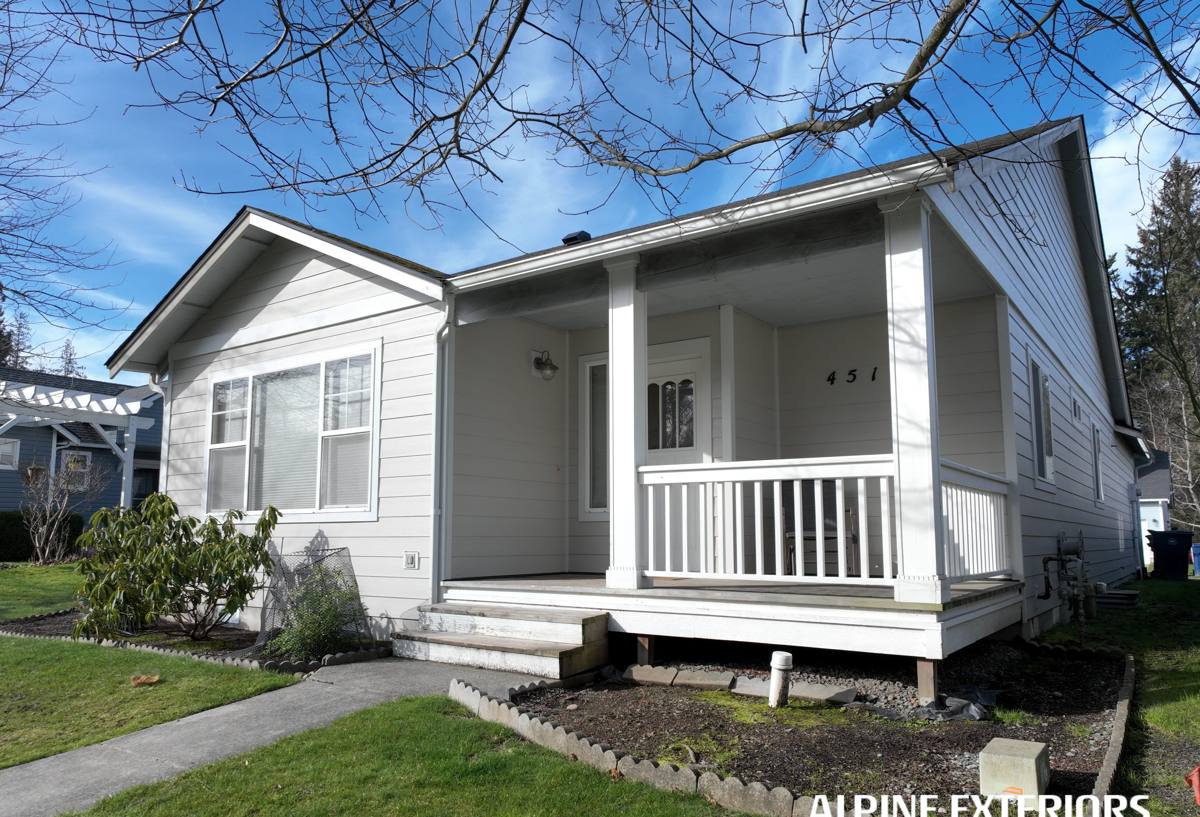
What Local Homes Need From an Asphalt Shingle Roof
Asphalt shingles remain one of the most cost-effective roofing options available, and they perform well here when the installation respects a few non-negotiables specific to this climate.
Wind Rating and Nailing Pattern
Florida Building Code sets minimum wind resistance standards, and Manatee County enforces them. But code minimum and a roof that actually holds together in a strong storm aren't always the same thing. Nail placement, nail count per shingle, and nail type all affect how well a roof resists uplift — and this is one of the most common places corners get cut, because it doesn't show up in a visual inspection after the roof is finished. We install to the shingle manufacturer's high-wind specifications, not just the code floor.
Underlayment: More Than a Formality
Standard felt underlayment does the job in drier, milder climates. In a region that sees wind-driven rain forced sideways and up under shingle tabs during tropical storms, a synthetic or self-adhering underlayment with real water-shedding performance matters more. This is the layer that protects your roof deck if wind ever lifts or damages shingles during a storm — it's cheap insurance relative to what a soaked, rotting deck costs to fix later.
Ventilation Matters as Much as the Shingles Themselves
Attic heat buildup is a year-round issue in this part of Florida, not just a summer problem. Poor ventilation shortens shingle life from the underside — heat trapped in the attic bakes the shingles from below while UV bakes them from above. It also drives up cooling costs and can contribute to moisture problems. A correctly vented roof system (intake at the eaves, exhaust at the ridge, sized to the attic volume) is part of doing the job right, not an upsell.
Choosing the Right Shingle for a Lakewood Ranch Home
Most homeowners are choosing between a handful of asphalt shingle categories. Each has real trade-offs worth understanding before you commit.
| Shingle Type | Typical Lifespan Here | Wind Performance | Best Fit |
|---|---|---|---|
| 3-Tab Asphalt | Shorter end of the range | Lower wind rating options | Budget-conscious re-roofs, rental properties |
| Architectural (Laminated) | Longer end of the range | Higher wind ratings available | Most Lakewood Ranch homes; better dimensional look |
| Impact-Resistant Architectural | Comparable to standard architectural | Highest wind and impact ratings | Homes seeking insurance premium credits |
Architectural shingles have become the standard choice for most homes in this area, and for good reason — they carry heavier, thicker construction than 3-tab shingles, which translates directly into better wind and impact performance. Algae-resistant granules are worth specifying almost everywhere in Florida; the humidity here promotes the dark streaking that untreated shingles develop within a few years, and that streaking doesn't wash off.
Color matters more here than in cooler climates too. Lighter shingle colors reflect more solar heat, which can modestly reduce attic temperatures and cooling load — worth a conversation if energy efficiency is a priority for your household.
Our Process for a Lakewood Ranch Roof Replacement
Every roof starts with an honest inspection, not a sales pitch. Here's what our process actually involves:
- Full roof and attic inspection, documenting deck condition, existing ventilation, flashing points, and any active leaks or soft spots.
- Written estimate that spells out shingle type, underlayment, ventilation plan, and flashing scope — no vague line items.
- Tear-off of the old roofing material down to the deck, so we can actually see what condition the deck is in rather than roofing over hidden problems.
- Deck repair where needed — soft, delaminated, or water-damaged plywood gets replaced, not covered up.
- Underlayment and flashing installed at all penetrations, valleys, and roof-to-wall transitions, which is where the majority of leaks actually originate.
- Shingle installation following manufacturer high-wind nailing specifications.
- Ridge and soffit ventilation checked and corrected as part of the job, not treated as a separate project.
- Jobsite cleanup, including a magnetic nail sweep of the yard and driveway.
- Final walkthrough so you can see the finished work and ask questions before we consider the job done.
Repair or Full Replacement? What Actually Drives That Decision
Not every roof problem in Lakewood Ranch means a full tear-off. The right call depends on a few factors we walk through with every homeowner before recommending either path.
| Factor | Leans Toward Repair | Leans Toward Replacement |
|---|---|---|
| Roof age | Under roughly 10-12 years | Approaching or past typical shingle lifespan |
| Damage extent | Isolated area (single slope, one leak point) | Widespread granule loss, multiple leak areas |
| Deck condition | Sound, no rot found | Soft spots or water staining across multiple areas |
| Storm history | Minor, cosmetic wind damage | Documented wind or hail event with structural impact |
| Insurance situation | Repair covered, replacement not warranted | Carrier requirements or premium credits favor a new roof |
We'll tell you honestly when a repair is the right call — a roof doesn't need to be replaced just because it's convenient for us to sell a bigger job. But we'll also be straight with you when a patch is just delaying an inevitable replacement at higher total cost.
Signs Your Roof Needs a Closer Look
A few warning signs are worth acting on before they turn into interior damage:
- Granules collecting in gutters or at the base of downspouts
- Shingles that appear curled, cupped, or lifted at the edges
- Dark streaking or algae staining across large areas of the roof
- Visible cracked, missing, or torn shingles after a storm
- Soft spots when walking the attic decking, or daylight visible through the roof boards
- Water stains on interior ceilings, especially near roof valleys or chimneys
- Rising cooling bills without another clear cause, which can point to attic ventilation or insulation issues tied to the roof
Permits, Wind Mitigation, and Insurance Considerations in Manatee County
A full roof replacement in Manatee County requires a permit, and the finished work has to pass inspection before it's considered complete. We handle the permitting process as part of the job rather than leaving it on the homeowner's plate.
It's also worth knowing that a new roof, installed to current code and documented with the right paperwork, can qualify your home for a wind mitigation inspection that may lower your homeowners insurance premium. This is a separate inspection from the roofing permit, and the savings depend on your carrier — but it's a conversation worth having with your insurance agent once the new roof is in and documented.
Why Local Experience in Lakewood Ranch Actually Matters
Roofing crews who work regularly in this part of Manatee County develop a practical sense for things that don't show up in a manual: which roof orientations in this area tend to take the worst wind-driven rain, how quickly UV exposure ages certain shingle colors here versus further north, and what inspectors in this county actually look for on final sign-off. That familiarity shows up in fewer surprises during the job and fewer callbacks after it.
It also means we're not learning the permitting process, the local building department's expectations, or the practical realities of this climate on your project. We've already worked through those questions on other Lakewood Ranch and greater Bradenton roofs, and that experience gets applied to yours from day one.
Get a Straight Answer on Your Roof
Whether you're dealing with a specific leak, aging shingles, or storm damage, an honest inspection is the right first step. We'll give you a clear picture of your roof's condition and a straightforward recommendation — repair or replace — with no pressure either way. Reach out using the form below for a free estimate.