 Bradenton Siding
 What Southgate's Climate Does to an Outdoor Deck
Southgate is a well-established part of Bradenton, and like most of Manatee County, it sits squarely in a climate that is hard on outdoor structures. A deck here doesn't just deal with rain and sun the way it might in a milder climate — it deals with all of it, year-round, with almost no off-season to recover. If you're noticing soft spots, rust streaks, or boards that never quite dry out, that's not bad luck. It's what this climate does to decks that weren't built, or maintained, for it.
Intense, Year-Round UV
Florida sun is stronger and more constant than in most of the country. UV exposure breaks down the lignin in wood fibers, causing graying, splintering, and surface checking. On composite and PVC decking, UV is what causes fading and, on lower-grade products, chalking or brittleness over time. A deck that gets full afternoon sun in Southgate will show wear years before an identical deck in a shadier, cooler climate.
Wind-Driven Rain and Humidity
It's not just how much rain falls here — it's how it arrives. Summer storms and tropical systems push rain sideways, driving moisture up under railings, into fastener holes, and behind ledger boards where it doesn't dry out quickly. Combine that with Manatee County's humidity, and you get the two ingredients rot and mold need most: moisture and time.
Salt Air
Southgate sits inland from the immediate coastline, but salt-laden air still travels well inland across the Bradenton area, especially with onshore winds. Salt accelerates corrosion on any fastener, bracket, or connector that isn't rated for coastal exposure. A deck built with standard hardware can develop rust and weakened connections faster here than the same deck would elsewhere in the state.
Hurricane-Force Wind Loads
Manatee County's building code reflects real hurricane risk, and a deck is a structural attachment to your home — not just a platform. Ledger connections, post footings, and railing systems all need to be sized and fastened to resist uplift and lateral wind loads, not just support foot traffic on a calm day.
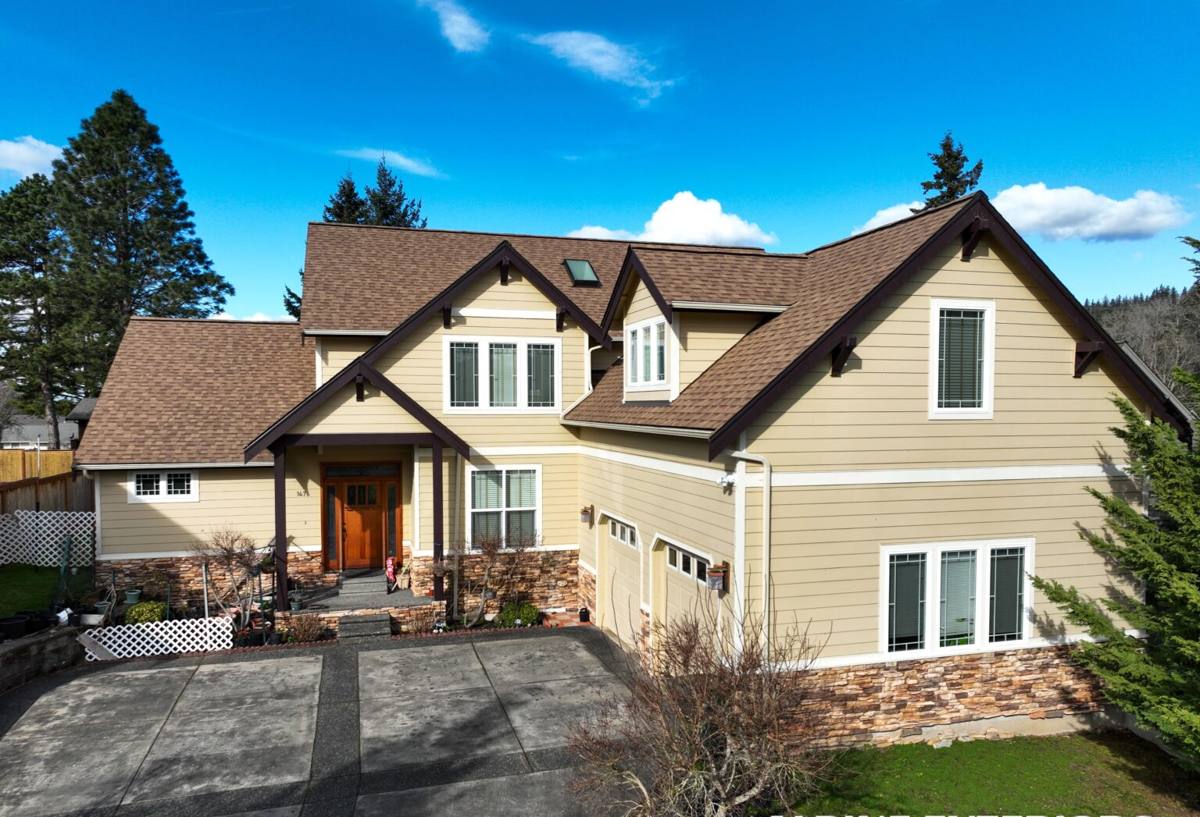
Signs Your Southgate Deck Needs Replacement, Not Just Repair
Not every deck problem means a full rebuild. But there's a point where patching individual boards is throwing money at a structure that's already failing underneath. Here's what tells us a deck has crossed that line:
- Soft, spongy, or spring-back decking boards, especially near the house or stair landing
- Visible rot, dark staining, or fungal growth at the ledger board where the deck meets the house
- Posts or footings that have shifted, settled, or show cracking at the base
- Rust stains bleeding from fasteners or connectors, or hardware that's visibly corroded
- Railings that flex or wiggle under normal pressure — a genuine safety issue, not cosmetic
- A deck more than 15-20 years old that has never been fully re-flashed or re-fastened to current code
- Multiple past repairs that haven't stopped the same problem areas from recurring
If you're only seeing one or two of these and the framing underneath is sound, repair may still make sense. Once the structural members themselves are compromised, replacement is almost always the more honest and more cost-effective answer.
Deck Materials: What Actually Holds Up in Manatee County
There's no single "best" decking material — there's a best material for your budget, your maintenance appetite, and how much sun and salt exposure your specific deck will see. Here's how the common options compare for a Southgate installation:
| Material | Upfront Cost | Maintenance | How It Handles This Climate |
|---|---|---|---|
| Pressure-treated wood | Lowest | Annual sealing/staining recommended | Affordable, but UV and moisture cycling mean more frequent upkeep to prevent graying and checking |
| Composite decking | Mid to upper-mid | Occasional washing, no sealing | Resists rot and doesn't need staining; lower-grade composites can fade or degrade faster in constant sun |
| PVC/capped polymer | Highest | Minimal — soap and water | Fully moisture-resistant with strong UV and fade resistance; best long-term option for high-sun, high-humidity sites |
| Naturally durable hardwoods | High | Regular oiling to maintain color | Dense and rot-resistant, but still needs consistent maintenance to handle UV and salt air |
We don't push one product on every homeowner. What we do insist on is being straight about the trade-offs — including why we're selective about which composite lines we install, since board quality varies a lot and a poor substrate can trap moisture against the framing underneath it.
What a Correctly Built Deck Replacement Actually Involves
A deck is a system, not a surface. Replacing the boards without addressing what's underneath just resets the clock on the same failure. A proper replacement means rebuilding the whole assembly correctly, in this order:
Permitting and Wind Rating
Manatee County requires permits for deck replacement, and the structure has to meet current wind load requirements for our zone — not whatever code was in effect when the original deck went in decades ago. This affects post spacing, footing depth, and how the ledger attaches to the house.
Footings and Framing
Footings need to be sized and set to local frost-free depth and soil conditions, with posts properly anchored — not just resting on the surface. Joists and beams get sized to the actual span and load, using lumber rated for ground contact or exterior exposure where required.
Ledger Board Flashing
This is the single most common failure point on Florida decks. The ledger board bolts to the house, and if it isn't properly flashed to shed water away from the house's wall assembly, wind-driven rain works its way in behind it. That's how you end up with hidden rot at the exact point holding the deck to your home.
Fasteners and Hardware
Every bracket, hanger, and fastener should be rated for coastal or exterior exposure — stainless steel or coated hardware designed to resist the corrosion that standard galvanized fasteners can't hold up against in salt-influenced air over the long run.
Our Deck Replacement Process
We keep the process straightforward because a deck replacement shouldn't feel like a mystery to the homeowner paying for it:
- On-site assessment — we inspect the existing deck, framing, and ledger connection to confirm replacement is the right call and identify any hidden damage.
- Material and layout discussion — we walk through decking material options, railing style, and layout, with honest pricing for each.
- Permitting — we handle the Manatee County permit and code compliance so the new structure is inspected and legal, not just built.
- Demolition and disposal — full removal of the old deck, checking the ledger area and any framing behind it for damage that needs to be addressed before rebuilding.
- Framing and structural build — footings, posts, beams, joists, and properly flashed ledger attachment, built to current wind load requirements.
- Decking, railing, and finish work — installed per manufacturer specs to keep material warranties intact.
- Final walkthrough and inspection — county inspection sign-off plus a walkthrough with you before we consider the job done.
Cost Factors for a Southgate Deck Replacement
Every deck is different, so we're not going to quote a number that doesn't mean anything until we've seen your property. What we can tell you is what actually moves the price:
| Factor | Why It Matters |
|---|---|
| Deck size and shape | Square footage and complexity (multiple levels, angles, stairs) directly affect labor and material |
| Decking material chosen | Pressure-treated, composite, and PVC span a wide cost range, both upfront and over time |
| Condition of substructure | Hidden rot or undersized framing found during demo may need to be corrected before rebuilding |
| Railing style and code requirements | Height, baluster spacing, and material choice all factor into both cost and code compliance |
| Ledger and flashing detail | Doing this correctly takes more time than a quick reattachment, but it's what protects your home |
| Permitting and inspection | Required by Manatee County for any structural deck work, and built into a proper quote |
Why Hire a Crew That Already Works in Southgate
A deck replacement done right the first time is cheaper than one that needs to be revisited in five years because the ledger flashing failed or the framing wasn't sized for our wind zone. A crew that regularly works in Bradenton and Manatee County already knows the permitting process, the wind load requirements for our area, and the specific failure patterns that show up on decks exposed to this combination of sun, humidity, and salt air. That's not something you get from a crew unfamiliar with local code or the way Gulf Coast weather actually treats outdoor structures over time.
We also know that a homeowner in Southgate wants a straight answer — not upselling toward the most expensive material or downplaying an issue to close the job faster. If your framing is sound and a repair will genuinely hold up, we'll tell you that. If it won't, we'll explain exactly why before you spend a dollar.
Maintaining Your New Deck
Whatever material you choose, a little consistent upkeep goes a long way in this climate:
- Rinse off pollen, salt residue, and organic debris every few weeks, especially after storms
- Keep gutters and downspouts clear so runoff isn't dumping extra water onto or near the deck
- Check railing connections and stair fasteners once or twice a year for looseness or corrosion
- For wood decks, plan on resealing or staining on the schedule your material calls for — don't wait for visible graying
- Trim back landscaping that's shading boards and trapping moisture against the surface
- Walk the deck after major storms to check for shifted boards, standing water, or new gaps at the ledger
If your Southgate deck is showing its age, or you just want an honest opinion on whether it can be repaired instead of replaced, we're happy to take a look. Fill out the form below for a free, no-pressure estimate — we'll walk the deck with you and give you a straight answer either way.