 Bradenton Siding
 Decking for a Neighborhood Built on Character
Village of the Arts is one of the more distinctive pockets of Bradenton — a walkable grid of older bungalows and cottages, many doubling as studios, galleries, and live-work spaces. Porches and decks here do double duty. They're where a family relaxes on a Tuesday evening, and they're also where a crowd gathers during a studio tour or gallery walk. That mix of everyday use and public foot traffic changes what "the right deck" looks like. It needs to hold up to regular Manatee County weather and to a steadier stream of visitors than a typical suburban backyard deck ever sees.
Composite decking has become the go-to choice for homeowners in this part of Bradenton for a simple reason: it's engineered to resist the specific combination of sun, moisture, and salt air that wears down traditional wood decking faster here than almost anywhere else in the country.
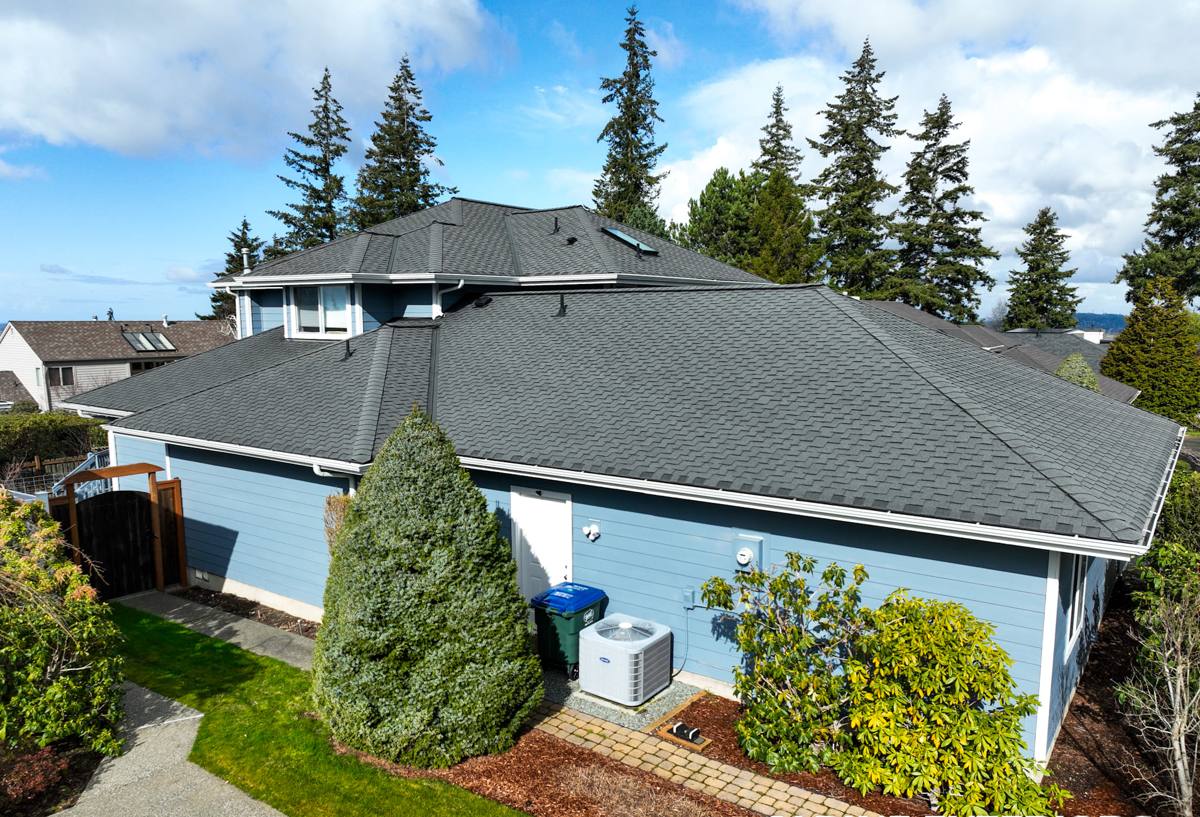
What Bradenton's Climate Actually Does to a Deck
Every material on an exterior deck in this area is fighting the same four things, year-round:
Intense, Constant UV
Florida sun isn't seasonal the way it is farther north — it's a near-daily load on any exposed surface. Untreated wood grays and splinters. Cheaper, uncapped composite boards from years past faded unevenly and sometimes chalked at the surface. Modern capped composite is formulated specifically to resist this, but not all products handle UV equally well.
Wind-Driven Rain and Humidity
Afternoon storms don't just fall straight down here — wind pushes rain sideways, into board gaps, ledger connections, and framing joints. Combined with Manatee County's humidity, any spot where water collects instead of draining becomes a rot or mold risk, whether the decking itself is wood or composite.
Salt Air
Bradenton sits close to Tampa Bay and the Manatee River, and salt-laden air travels well inland on coastal breezes. Salt accelerates corrosion in fasteners, brackets, and any exposed metal hardware. A deck that looks fine on the surface can still be losing structural integrity underneath if the wrong fasteners were used.
Hurricane-Force Wind
Ledger board attachment, guardrail posts, and stair stringers all have to be fastened to resist uplift and lateral load, not just support foot traffic. This matters even more on the older bungalow-style framing common in Village of the Arts, where original construction wasn't built with today's wind load standards in mind.
Why Older Bungalow Framing Needs a Second Look
A lot of the homes in this neighborhood were built decades ago and have been added onto, repaired, or converted for studio and gallery use over the years. That history is part of the neighborhood's charm, but it also means the substructure under an existing deck or porch — the ledger, joists, posts — may not be sized or fastened to current code, and may have hidden moisture damage. A composite deck is only as good as what it's screwed into. Part of doing this job correctly is evaluating that framing before a single new board goes down, not assuming it's fine because the old deck "looks solid."
Composite, Wood, and PVC: An Honest Comparison
There's no universally "best" decking material — there's the right material for this climate and how a homeowner actually plans to use the space. Here's how the three most common options compare for a Bradenton application:
| Factor | Composite | Pressure-Treated Wood | PVC |
|---|---|---|---|
| UV/fade resistance | Strong with a quality capped board | Poor without frequent refinishing | Very strong |
| Moisture/rot risk | Low — doesn't absorb water like wood | High if sealing lapses | Very low |
| Maintenance | Occasional cleaning, no staining/sealing | Annual sanding, staining, sealing | Minimal, but can show scratches |
| Upfront cost | Mid-range | Lowest | Highest |
| Feel underfoot in heat | Moderate — varies by brand/color | Moderate | Can run hotter in direct sun |
| Salt air hardware sensitivity | Low with correct fasteners | Higher — corrosion-prone if hardware is wrong | Low |
We install composite for most Village of the Arts projects because it strikes the best balance for this climate: it doesn't need the yearly upkeep wood does, it handles humidity and salt air well, and it's priced more reasonably than full PVC systems. That said, we'll walk you through the honest trade-offs for your specific project rather than pushing one product by default.
What a Correct Composite Installation Actually Involves
Composite decking is a forgiving material to live with, but it's not a forgiving material to install poorly — mistakes at the framing and fastening stage don't show up until a year or two later, usually as squeaking, sagging, or a ledger leak. A correct installation in this climate includes:
- Ledger board flashing and a moisture barrier where the deck attaches to the house, so wind-driven rain can't track behind the board into the wall framing
- Stainless steel or coated, corrosion-rated fasteners throughout — standard hardware degrades faster in salt air
- Hidden fastener systems where the board profile supports them, for a cleaner look and fewer exposed metal points
- Joist spacing tightened to the composite manufacturer's span rating, which is often closer than what's fine for solid wood
- Consistent board gapping for drainage and thermal expansion, since composite moves with heat more than people expect
- Under-deck airflow so trapped humidity has somewhere to go instead of sitting against the framing
- Guardrail and stair post attachment engineered for wind load, not just fastened for looks
Skipping any one of these doesn't ruin the deck on day one — it just moves the failure point a few years down the road, usually right around when a warranty claim gets complicated.
How We Approach a Village of the Arts Project
The process is the same discipline whether it's a small studio entrance deck or a full backyard rebuild:
- On-site assessment — we look at the existing structure, ledger condition, drainage, and how the space actually gets used before recommending anything
- Design and material selection — board style, color, and railing options, matched to your home and budget, with the trade-offs explained plainly
- Permitting — pulled through the appropriate local building department before work starts, with framing built to current wind load requirements
- Framing repair or upgrade — any compromised joists, posts, or ledger connections are addressed before decking goes down, not covered over
- Installation — fastening, spacing, and flashing done to the standards above, not the fastest path to a finished-looking surface
- Final walkthrough — we go over the finished deck with you, including what maintenance it actually needs (and doesn't)
Permitting and Practical Considerations Specific to This Neighborhood
Village of the Arts' mix of residential and studio/gallery use means a few things are worth knowing going in. Permits and inspections still apply the same as anywhere in Manatee County — a deck attached to the house or built above a certain height isn't a weekend DIY project from a code standpoint, regardless of how the property is used. If your home doubles as a working studio or gallery, we'll talk through scheduling so construction doesn't collide with open studio events or planned visitor days. And because many lots in this neighborhood are narrower and closer together than newer subdivisions, material staging and site access take a bit more planning than a standard suburban job — something worth discussing with any contractor before they show up with a truckload of lumber and nowhere to put it.
Why Local Experience in This Neighborhood Matters
A contractor who's already worked in Village of the Arts isn't guessing at any of this. They've seen what decades-old bungalow framing tends to hide, they know which fastener choices actually hold up against salt air this close to the water, and they're not learning the neighborhood's tighter lot layouts on your job. That familiarity shows up in fewer surprises mid-project — fewer "we found rot behind the ledger" conversations that could have been caught in the initial assessment, and less disruption to a home that may also be your workspace.
It also matters for something less visible: accountability. A contractor with an ongoing presence in the neighborhood has a reputation to maintain among your neighbors, not just a single job to finish and move on from.
Keeping a Composite Deck in Good Shape Here
Composite decking cuts maintenance dramatically compared to wood, but "low-maintenance" isn't "no-maintenance" in this climate. A few habits go a long way:
- Rinse the deck periodically to clear salt residue, pollen, and organic buildup before it stains the surface
- Keep gutters and downspouts directing water away from the ledger connection, not onto or behind it
- Clear leaves and debris out of the board gaps so drainage paths stay open
- Check visible fasteners and railing hardware once a year for early signs of corrosion
- Use a soft-bristle brush and mild soap for cleaning — skip high-pressure settings that can etch the board surface
- Walk the guardrails and stair connections after major storms to confirm nothing shifted
What Drives the Cost
Every deck is priced around the same handful of variables, and being upfront about them up front avoids surprises later:
| Cost Factor | Why It Matters |
|---|---|
| Square footage | The most direct driver of material and labor cost |
| Board tier | Entry-level capped composite vs. premium lines with deeper wood-grain texture and color range |
| Substructure condition | Existing framing that needs repair or replacement adds cost but isn't optional if it's compromised |
| Railing and stairs | Composite or aluminum railing systems, plus any stair runs, add to both material and labor |
| Site access | Narrower lots or tighter staging areas, common in this neighborhood, can affect labor time |
We give straight, itemized numbers based on your actual property — not a rough per-square-foot figure that changes once we're on site.
If you're weighing options for a deck in Village of the Arts, we're glad to take a look and give you an honest read on what your framing needs and what a composite deck would realistically cost. The estimate is free, there's no pressure, and you'll walk away with a clear picture either way — just fill out the form below to get started.