 Bradenton Siding
 Living on a Barrier Island Changes What Siding Has to Do
Holmes Beach sits on a barrier island, which means the siding on these homes works harder than siding almost anywhere else in Manatee County. Salt-laden air moves off the Gulf and settles on every exterior surface, hurricane-force winds test every fastener and seam during storm season, and intense year-round Florida sun bakes finishes day after day. Add wind-driven rain that gets forced sideways into laps and seams during a squall, and you have a combination that exposes any weakness in a siding product or an installation shortcut within a few years, not a few decades.
Homeowners here often ask us why their siding failed faster than a friend's siding did fifty miles inland. The answer is almost never bad luck. It's usually a material that wasn't built for constant salt exposure, or a job that wasn't detailed for wind and water intrusion. That's the lens we bring to every Holmes Beach project.
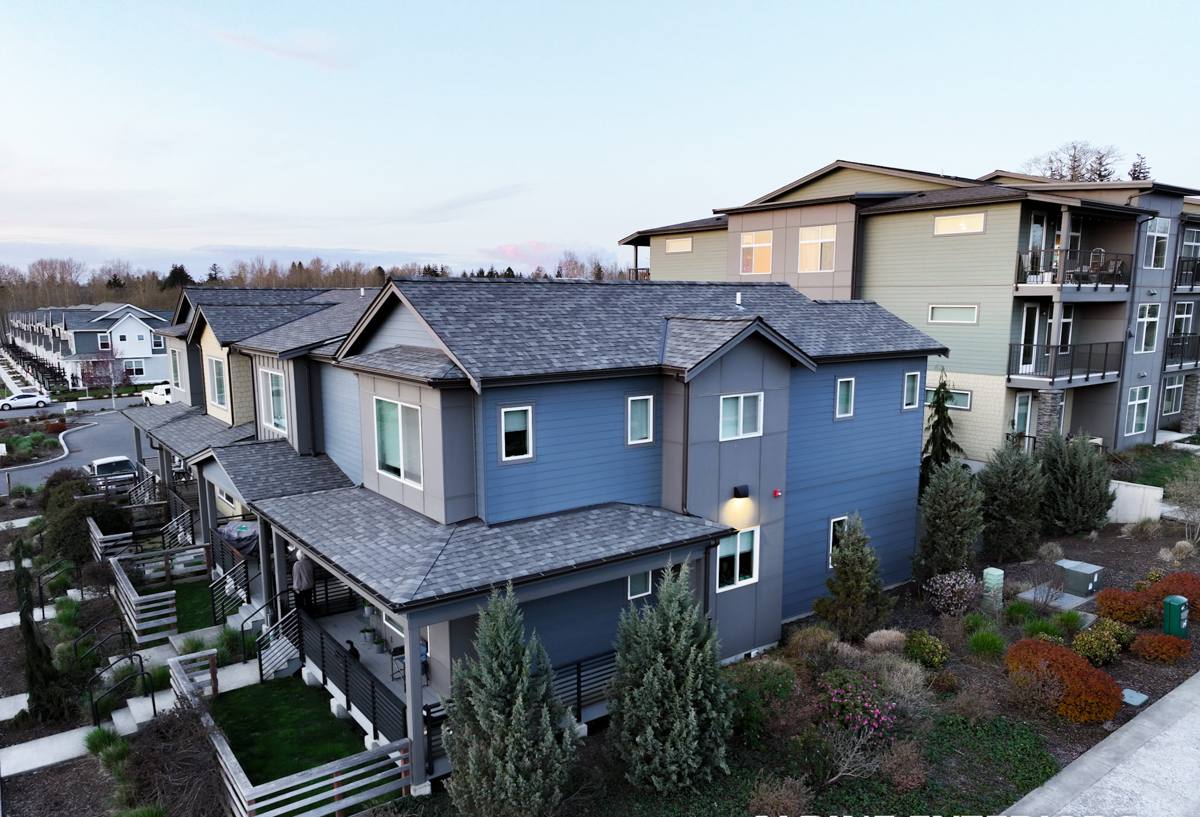
Why We Only Install James Hardie Fiber Cement in Holmes Beach
We install exclusively James Hardie fiber cement siding. We do not install vinyl, LP SmartSide, Cemplank, Allura, primed spruce, or cedar. That's not a marketing position — it's a standard we hold ourselves to after seeing how different materials actually perform in a Gulf-coast salt environment over time.
What Salt Air, Wind, and Sun Do to Other Materials
Vinyl siding is lightweight and affordable, but heat and constant UV exposure can cause it to warp, fade, or become brittle over time, and it has real limits on wind resistance once panels are stressed or aged. Engineered wood products like LP SmartSide use a wood-strand core that depends entirely on an intact factory coating; once that coating is compromised by a nail pop, a hairline crack, or years of driving rain, moisture can wick into the core. Cedar and primed spruce are natural wood — beautiful, but they require ongoing painting, caulking, and vigilance against rot and insects, which is a heavier maintenance burden in a climate this humid and salty. None of these are "bad" products in every climate. They're just not what we're willing to warranty our workmanship on a block from the Gulf.
| Factor | Vinyl | Wood / Engineered Wood | James Hardie Fiber Cement |
|---|---|---|---|
| Salt air / corrosion resistance | Doesn't corrode, but can chalk and fade | Vulnerable once coating is breached | Cement-based core, unaffected by salt |
| Wind performance | Limited by panel and clip design | Depends on fastening and panel size | Engineered and tested for high-wind installation |
| Moisture behavior | Can trap moisture behind panels if not vented | Core swells or rots if moisture intrudes | Non-organic, doesn't rot or support mold growth |
| Sun / UV fading | Can fade or become brittle over years | Coating chalks; repainting needed | ColorPlus factory finish resists fading |
| Ongoing maintenance | Low, but limited repair options | Periodic painting and caulking | Occasional rinse and caulk check |
What comes out of that comparison isn't that other materials are worthless everywhere — it's that Holmes Beach's specific combination of salt, sun, and wind rewards a non-combustible, moisture-stable, factory-finished material more than any other. That's James Hardie.
James Hardie Product Lines That Fit Holmes Beach Homes
HardiePlank Lap Siding
This is the most common choice for Holmes Beach homes — the classic horizontal lap look, available in several exposure widths and textures, from smooth to a traditional cedar-grain finish. It's the workhorse product for full re-sides and holds up to direct salt spray and sun exposure better than most alternatives on the market.
HardieShingle and HardiePanel Accents
Many Holmes Beach homes use shingle-style siding or vertical panel accents on gables, dormers, or entry features for a coastal cottage look. James Hardie makes both in fiber cement, so an entire exterior — field siding and accent areas alike — can carry the same durability and warranty instead of mixing in a weaker product just for visual variety.
ColorPlus Technology and Coastal Color Considerations
James Hardie's ColorPlus finish is baked on in a factory-controlled process rather than sprayed on site, which gives it stronger fade resistance under the kind of relentless, reflective sun a Gulf-facing property gets. On the water, lighter and mid-tone coastal colors tend to show less heat stress and chalking over time than very dark tones, which absorb more solar heat. We'll walk through the ColorPlus palette and help weigh color against the practical realities of direct sun exposure on your specific elevation.
What Correct Installation Looks Like in a Coastal Wind Zone
James Hardie siding only performs the way it's engineered to when it's installed to spec. On a barrier island property, a few details matter more than they would inland.
Fastening and Wind Resistance
Fastener type, spacing, and embedment all affect how siding holds up under sustained hurricane-force gusts. We follow James Hardie's fastening requirements for high-wind installation rather than a generic nailing pattern, because under-fastened siding is one of the most common causes of panels failing in a storm.
Moisture Management Behind the Cladding
Wind-driven rain doesn't just hit siding — on an exposed coastal elevation it gets pushed sideways and upward into laps, corners, and penetrations. Correct installation means proper weather-resistant barrier, flashing at every window, door, and penetration, and correctly lapped and caulked joints, so water is directed back out rather than trapped behind the cladding.
Clearances From Grade, Decks, and Pools
Many Holmes Beach homes have pools, elevated decks, or ground-level plantings close to the exterior walls. James Hardie specifies minimum clearances between the bottom of the siding and grade, roof lines, and hard surfaces like pool decks, because constant splash-back or moisture at ground level is a common cause of premature deterioration at the base of a wall — regardless of what the siding itself is made from.
Our Process for a Holmes Beach Siding Project
- On-site inspection of existing siding, sheathing, and trouble spots such as window flashing and wall penetrations
- Honest assessment of whether a full re-side or targeted repair makes sense, with a written scope
- Product and color selection from the James Hardie line, matched to your home's exposure
- Permitting through the appropriate local building department before any tear-off begins
- Removal of old siding and inspection of the sheathing and water-resistive barrier underneath
- Installation following James Hardie's fastening, flashing, and clearance specifications for high-wind areas
- Final walkthrough and cleanup, with warranty paperwork registered in your name
Because barrier island access can mean tighter staging areas, bridge or causeway logistics, and coordinating around vacation rental turnovers, we plan material delivery and crew scheduling around those realities up front rather than discovering them mid-project.
Maintaining Hardie Siding in a Salt-Air Environment
Fiber cement is low-maintenance, not no-maintenance. In a salt-air setting like Holmes Beach, a little seasonal attention goes a long way toward protecting your investment and your warranty coverage.
- Rinse siding periodically with a garden hose to wash off accumulated salt residue, especially on Gulf-facing walls
- Inspect caulking at joints, trim, and penetrations once or twice a year and re-caulk any cracked or shrunken beads
- Keep irrigation heads and sprinklers from spraying directly on siding, which accelerates mineral buildup
- Trim landscaping back from walls so foliage isn't holding moisture against the siding
- After a tropical storm or hurricane, walk the exterior and check for loose panels, damaged trim, or compromised caulking
- Repaint (not reseal) only when needed, using products compatible with ColorPlus finishes, and only through a qualified applicator
Why Local Experience on Holmes Beach Matters
Siding a home on Anna Maria Island isn't identical to siding one further inland in Bradenton or Manatee County. Wind-load and impact requirements, permitting steps through the local building department, and the practical logistics of working on a barrier island all factor into how a project is scoped and scheduled. A crew that already works this area knows what inspectors look for, how to sequence a project around causeway access and limited staging space, and how to plan around the area's active vacation rental turnover schedule so a project doesn't drag on longer than it needs to.
That local familiarity also means fewer surprises mid-project — the kind that turn into change orders and delays when a crew is learning a barrier island's quirks for the first time.
Warranty, Longevity, and Long-Term Value
James Hardie backs its fiber cement products with a strong transferable warranty, and ColorPlus finishes carry their own finish warranty separate from the product warranty. Both depend on the siding being installed to James Hardie's specifications — which is exactly why installation quality matters as much as the product choice itself. A correctly installed Hardie exterior is built to hold its look and performance through decades of Gulf coast sun, salt, and storms, and a proper warranty registration protects that investment if anything ever does need attention.
If you're weighing a siding replacement or repair on your Holmes Beach home, we're happy to walk your property, point out what we see, and put together a straightforward, no-pressure estimate — no obligation, just an honest look at what your home actually needs.