 Bradenton Siding
 Windows Built for How Lakewood Ranch Actually Weathers
Lakewood Ranch sits inland from the coast, but "inland" in this part of Manatee County still means hurricane-force wind gusts, wind-driven rain that finds every gap, and UV exposure that runs close to year-round. Add in humidity that never really lets up and the salt air that drifts in off Tampa Bay and the Gulf, and you've got a climate that's hard on windows in ways that homeowners moving here from other states often don't expect.
Stock windows sized for a national big-box catalog don't always account for that. Custom windows are built to the actual opening, the actual sun exposure, and the actual wind load your specific house needs to handle — not an approximation. That matters more here than in most of the country.
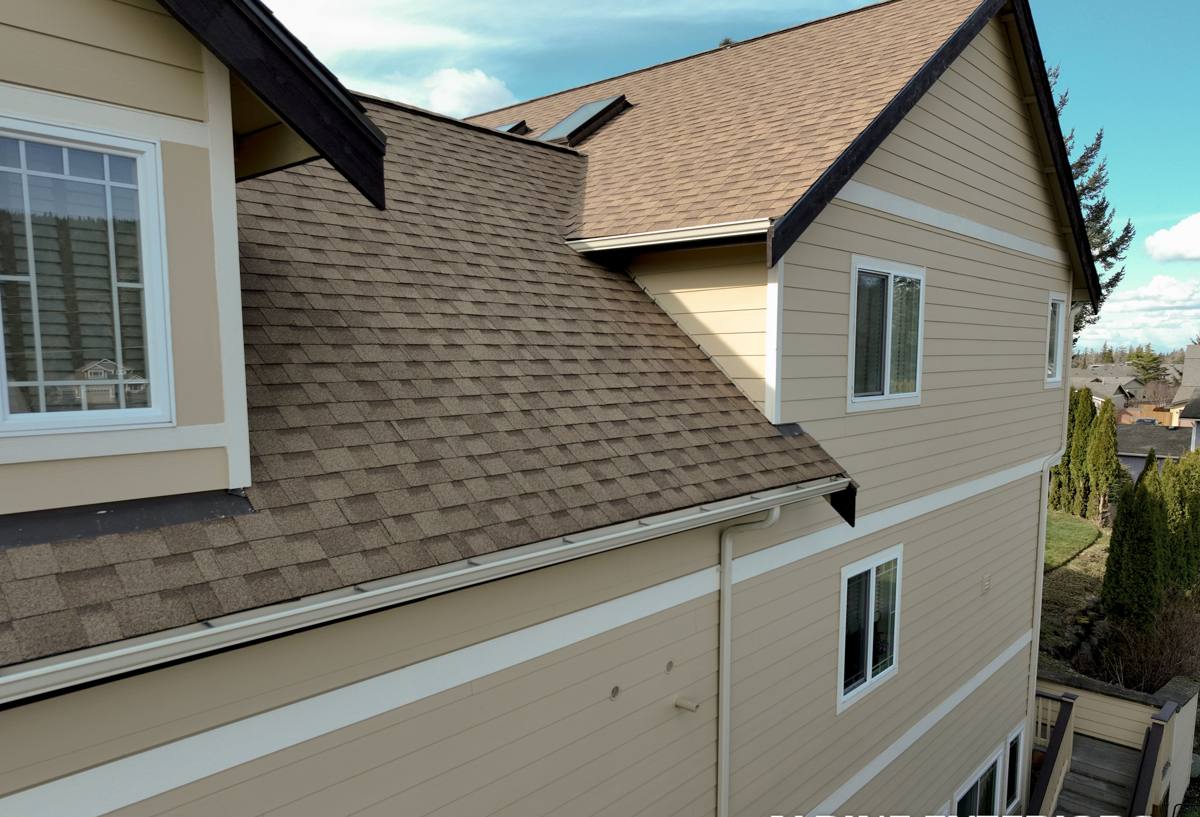
What "Custom" Actually Means
Custom doesn't have to mean expensive or exotic. Most of the time it means the window is built to fit an opening precisely, rather than forcing your house to fit a standard size. That comes up constantly in Lakewood Ranch's mix of newer construction and homes that have had additions or renovations over the years.
- Non-standard opening sizes from additions, renovations, or older construction that predates current standard sizing
- Architectural styles that call for specific shapes — arched tops, picture windows, or bay and bow configurations
- Matching sightlines and grille patterns across a whole elevation so the house reads as one consistent design
- Glass and frame packages chosen for a specific wall's sun exposure rather than a one-size-fits-all spec
A correct custom window job starts with precise field measurements of every opening, not a generic order pulled from a catalog. Openings settle, shift, and vary from what the original plans show — especially in homes that have been through a few Florida storm seasons.
What a Correct Installation Has to Handle
Wind
Wind load isn't just about the glass surviving a gust. The frame has to be anchored into structurally sound framing, and the attachment method has to match what the window is actually rated for. A window with a strong impact rating installed with the wrong fasteners or into deteriorated framing doesn't perform the way the rating suggests.
Water
Wind-driven rain in a Florida storm doesn't fall straight down — it gets pushed sideways into the wall. That means flashing and sealant details around the window opening matter as much as the window itself. Most window failures we get called out to inspect trace back to a flashing or sealant detail that was rushed or skipped, not a defective window.
UV and Heat
Manatee County sun is intense and constant. Cheap glass coatings degrade, vinyl frames can warp or discolor, and seals break down faster under UV than they would in a milder climate. Glass packages and frame materials need to be chosen with that in mind, not just for the coastal storm side of the equation.
Salt Air
Even set back from the water, this area gets enough salt air to accelerate corrosion on hardware, fasteners, and lower-grade metal components over time. It's a slower problem than wind or water, but it shows up in pitted hardware and stuck mechanisms a few years down the road if the components weren't chosen for it.
Comparing Frame Materials for This Climate
There's no single "best" frame material for every house — it depends on the home's style, budget, and which of the climate factors above matters most for a given wall or elevation. Here's how the common options generally compare for a home in this area.
| Frame Material | Salt Air / Corrosion Resistance | Maintenance | Typical Cost Range |
|---|---|---|---|
| Vinyl | Good — won't corrode, but UV exposure can cause discoloration or brittleness over many years | Low — no painting, occasional cleaning | Lower end of the range |
| Aluminum | Fair — strong for wind load, but lower-grade coatings can pit or corrode near salt air over time | Moderate — coating quality matters long-term | Mid-range |
| Fiberglass / Composite | Very good — stable in heat and humidity, resists corrosion and warping | Low — holds paint and finish well if ever refinished | Higher end of the range |
Actual pricing depends heavily on size, glass package, grille pattern, and impact rating, so treat this as a starting point for the conversation rather than a quote.
Glass Packages: What Actually Matters Here
For this climate, three things matter more than the marketing on the box:
- Impact rating — laminated glass built to resist wind-borne debris, tested to the standards that apply to this wind zone
- Low-E coating — reduces heat gain from the intense Florida sun, which directly affects cooling costs
- Insulated glass unit (IGU) quality — the seal between panes is what fails first in coastal humidity if it's a lower-grade unit; a well-built IGU resists that seal failure for far longer
Impact-rated glass is worth serious consideration for exposed elevations even where it isn't strictly required by code, since it also adds a layer of security and reduces outside noise — both things Lakewood Ranch homeowners bring up on their own once they've lived with it.
Permits and Code Requirements in This Area
Window replacement in Manatee County generally requires a permit, and homes in this part of the county typically fall within Florida's wind-borne debris region under the Florida Building Code. In practice, that usually means new or replacement windows need to either be impact-rated or paired with approved protection to meet current code — the exact requirement depends on your specific address, the home's design wind speed, and its exposure category.
We handle the permitting and inspection process as part of the job. That includes pulling the correct permit, scheduling the required inspections, and making sure the documentation on file matches what was actually installed — which matters later for insurance and resale, not just for passing inspection today.
Signs Your Current Windows Are Already Behind
Homeowners often live with underperforming windows for years without realizing how much they're costing in comfort and energy bills. Some things worth checking:
- Visible fogging or a hazy ring inside the glass — a sign the seal on an insulated unit has failed
- Frames that feel warm to the touch on the interior side during peak sun hours
- Difficulty opening, closing, or locking — often a sign of frame warping or hardware corrosion
- Water staining, soft drywall, or a musty smell near the window frame after heavy rain
- Noticeable outside noise or drafts even with the window fully closed and locked
- Chalky, faded, or pitted exterior frame finish
Any one of these on its own might just mean a repair. Several of them together, especially on a home that's been through multiple storm seasons, usually means it's time to talk about replacement.
Our Process, Start to Finish
- On-site assessment — we look at every opening in question, note the condition of the surrounding framing and any existing water intrusion, and talk through what you actually need versus what's optional
- Precise measurement — every opening is field-measured; we don't order off assumed or "as-built" dimensions
- Product selection — frame material, glass package, and impact rating chosen for that specific wall's exposure and your budget
- Permitting — we pull the required Manatee County permit before work begins
- Removal and prep — old windows come out, and we inspect the opening for any hidden rot, moisture damage, or framing issues before anything new goes in
- Installation — window set, shimmed level and plumb, anchored per the manufacturer's rated attachment schedule, and flashed and sealed to shed water correctly
- Inspection and walkthrough — we schedule the required inspection and walk the finished work with you before calling the job done
Why It Matters That We Already Work in Lakewood Ranch
A crew that already works in and around Lakewood Ranch has a working understanding of what tends to come up here — the mix of home ages and builders, the HOA expectations some communities have around exterior appearance, and the local permitting process, without having to learn it on your dime. That translates into fewer surprises mid-project and a permit and inspection process that moves the way it's supposed to.
It also means we're not disappearing after the install. If a seal needs attention or a warranty question comes up two years down the road, we're still a local Bradenton crew, not a name from an out-of-town sales event.
Living With Your New Windows
Custom windows built for this climate still need basic upkeep to perform the way they're supposed to for the long haul:
- Rinse frames and hardware periodically to clear salt residue, especially on homes closer to the water
- Check and clean weep holes so water has a clear path to drain out of the frame
- Inspect exterior caulking and sealant annually, particularly after a heavy storm season
- Lubricate locks and hardware occasionally to prevent corrosion-related sticking
None of this is complicated, but skipping it is how a well-installed window ends up with an avoidable problem five or ten years in.
If you're weighing custom windows for a home in Lakewood Ranch, we're happy to take a look and walk you through what your specific openings actually need — no pressure, no pushy sales pitch. Use the form below to request a free estimate and we'll get in touch to schedule a time that works.