 Bradenton Siding
 Lakewood Ranch Homes Take a Real Beating From This Climate
Lakewood Ranch sits inland from the Gulf, but "inland" doesn't mean protected. Homes here still deal with hurricane-force winds during tropical systems, wind-driven rain that gets forced sideways into every seam and joint, intense year-round UV that breaks down cheaper cladding faster than most homeowners expect, and salt-laden air that rides in on onshore winds off Sarasota Bay and the Gulf. Add Florida's humidity, which never really lets a wall assembly dry out completely, and you've got a climate that's genuinely hard on exterior materials.
Siding in this part of Manatee County isn't just a cosmetic layer. It's the first line of defense between your home and a climate that works against it every single day, not just during named storms. That's why the product you choose and how it's installed matter more here than they would in a milder climate.
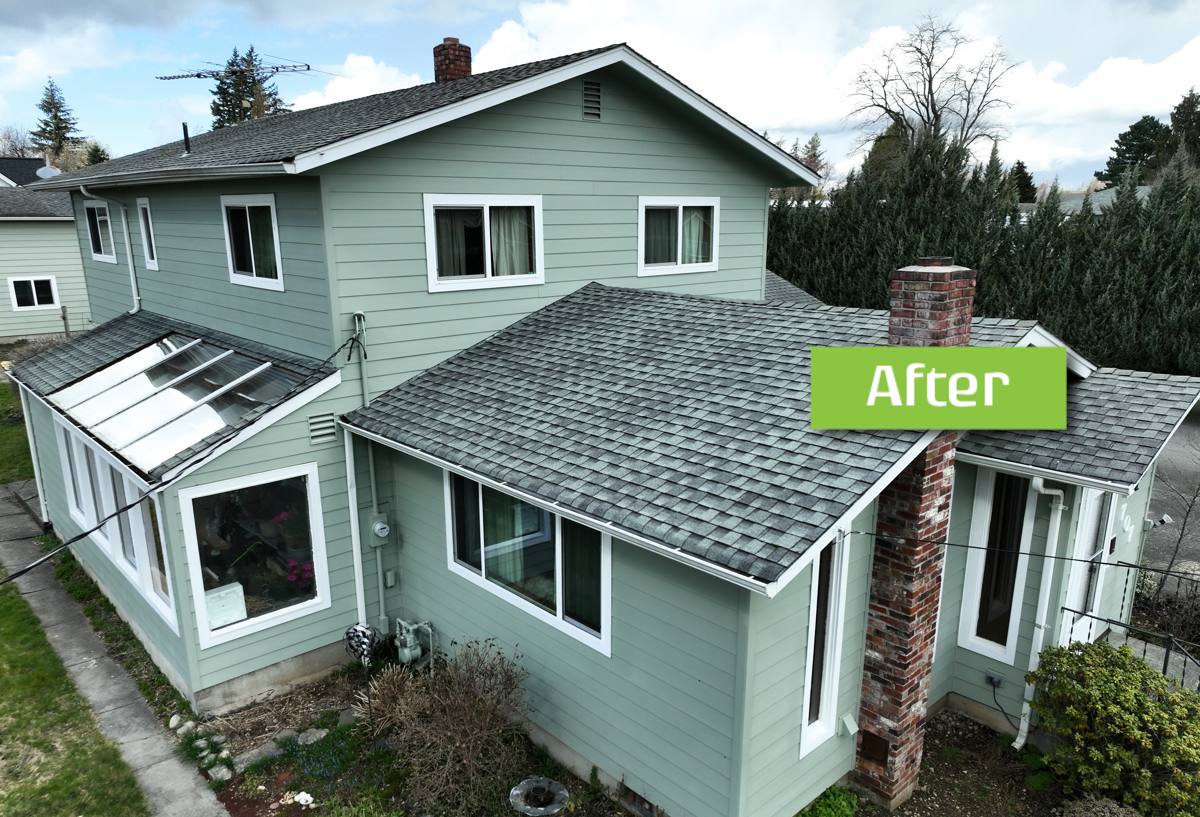
Why James Hardie Is Engineered for This Exact Climate
James Hardie fiber cement siding is a cement, sand, and cellulose fiber composite — it doesn't absorb and swell with moisture the way wood-based products can, and it's non-combustible, which matters given Florida's lightning activity and dry-season brush fire risk. It also doesn't attract termites, a real consideration in a state where subterranean and drywood termites are common.
James Hardie engineers different siding formulations for different climate zones through what it calls the HardieZone system. Homes in Gulf Coast humidity zones like ours use the HZ10 product line, which is formulated for high-moisture, high-humidity conditions rather than the freeze-thaw concerns of northern climates. That distinction matters: siding built for Minnesota winters isn't the same product as siding built for a Manatee County summer, and installing the wrong formulation — or installing generic fiber cement without that climate engineering — is a mistake we won't make on a customer's home.
The factory-applied ColorPlus finish is another piece of the puzzle. Instead of field-painting siding after installation (which leaves the color vulnerable to UV breakdown and inconsistent coverage), ColorPlus is baked on and cured under controlled conditions before the boards ever reach the job site. That finish holds up far better against the relentless Florida sun than a standard field-applied paint job, and it comes backed by its own finish warranty separate from the substrate warranty.
The James Hardie Product Lines We Install in Lakewood Ranch
Lakewood Ranch has a wide mix of architectural styles across its villages — Mediterranean, coastal, and craftsman influences all show up depending on the neighborhood and build era. James Hardie's product lineup gives us the flexibility to match that variety without stepping outside the one manufacturer system we trust.
HardiePlank Lap Siding
The most common choice for traditional home exteriors — horizontal lap boards available in multiple textures (smooth, cedarmill) and exposure widths. This is what most Lakewood Ranch homes with a classic or coastal look end up choosing.
HardiePanel Vertical Siding
Used for board-and-batten accents, gable ends, and modern-farmhouse or coastal-contemporary styling. It's increasingly common as an accent material paired with lap siding on newer builds.
HardieTrim Boards
Used around windows, doors, corners, and fascia. Matching trim to the field siding — same manufacturer, same climate engineering — avoids the mismatched expansion and weathering you get when trim and field siding come from different product systems.
| Product | Typical Use | Common Style Fit |
|---|---|---|
| HardiePlank Lap | Full home exterior, horizontal reveal | Coastal, traditional, craftsman |
| HardiePanel Vertical | Gables, accent walls, modern lines | Farmhouse, contemporary coastal |
| HardieTrim | Corners, window/door surrounds, fascia | Matches any field siding above |
What a Correct Installation Actually Involves
Fiber cement siding is only as good as the installation behind it. James Hardie's own installation specifications exist because the product fails prematurely — cracking, moisture intrusion, buckling — when those specs get skipped, and skipped specs are the single most common cause of siding problems we're called out to diagnose on homes that weren't originally installed by us.
- Minimum clearance from grade, roofing, decks, and patios so water can't wick up into the bottom edge of the boards
- Proper weather-resistant barrier and flashing at every window, door, and penetration before a single board goes up
- Correct fastener type, spacing, and placement — over-driven or misplaced nails are a leading cause of cracked boards
- Manufacturer-approved sealant at butt joints and trim transitions, not general-purpose caulk that fails under UV and salt exposure
- Field-cut edges primed and sealed before installation so raw fiber cement isn't left exposed to moisture
- Correct panel and plank overlap to shed wind-driven rain rather than trap it
Every one of these steps is easy to skip and hard to spot once the siding is up and painted — which is exactly why they get skipped by crews that aren't installing to the manufacturer's actual specification.
Matching Lakewood Ranch's Architectural and HOA Standards
Many communities within Lakewood Ranch are governed by homeowners' associations with architectural review requirements, and exterior changes like a full siding replacement typically need approval before work starts. That process usually means submitting product specifications, color selections, and sometimes samples for review.
ColorPlus finishes come in a broad range of colors, which gives homeowners enough flexibility to stay within an HOA's approved palette while still getting a finish that's factory-baked rather than field-painted. We can prepare the product spec sheets and color documentation homeowners need for their HOA submittal, based on what your specific community requires.
Our Process, From Estimate to Finished Siding
- On-site inspection and measurement — we look at your existing siding, sheathing, and any moisture or damage issues before quoting anything
- Product and color selection — choosing the right HardiePlank, HardiePanel, and trim combination, plus HOA submittal support if your community requires it
- Permitting — pulling the required permits through Manatee County before any tear-off begins
- Tear-off and substrate check — removing old siding and inspecting the sheathing and weather barrier underneath for hidden moisture damage before it gets covered up again
- Installation to manufacturer specification — clearances, flashing, fastening, and sealant done to James Hardie's published requirements, not shortcuts
- Final walkthrough — going through the finished job with you before we consider it done
What Affects the Cost of James Hardie Siding in Lakewood Ranch
Every home is different, so we won't quote a number without seeing the house, but these are the factors that actually move the price:
| Factor | Why It Matters |
|---|---|
| Home size and number of stories | More square footage and multi-story access both add labor time |
| Condition of existing siding and sheathing | Hidden moisture or wood rot found during tear-off adds repair work before new siding goes up |
| Amount of trim and architectural detail | Gables, dormers, and multiple roof lines all add cutting and fitting time |
| Product line and profile chosen | Plank exposure width, panel vs. lap, and texture options vary in material cost |
| Color selection | Standard ColorPlus colors vs. premium palette options carry different material pricing |
Why Hiring a Crew That Already Works in Lakewood Ranch Matters
A crew that's unfamiliar with the area is starting from zero on things that matter: how the local HOA approval process works, what Manatee County's permitting office expects, and which installation details actually get tested by this climate versus a milder one. We work in this area regularly, so we're not guessing at any of that — we know what wind-driven rain does to a poorly flashed window return, and we know what a summer's worth of direct UV does to a corner that wasn't sealed correctly.
We also install James Hardie exclusively. We don't offer vinyl, LP SmartSide, or other fiber cement alternatives, because we'd rather stand behind one system we know inside and out than split our expertise across products with different installation requirements and different long-term track records in this climate. That focus is a deliberate choice, not a limitation.
Caring for Your Hardie Siding After Installation
James Hardie siding is low-maintenance, not no-maintenance. A periodic rinse-down removes salt residue and airborne grime before it builds up. It's worth walking the exterior once or twice a year to check that caulking at trim joints and penetrations hasn't cracked or pulled away, and to make sure sprinkler heads aren't spraying directly onto the siding, which can leave mineral staining over time. Because ColorPlus is factory-cured, you shouldn't need to repaint on the schedule that field-painted siding requires — but if a board is ever damaged, replacing it with matching product and finish is straightforward when it was installed correctly to begin with.
If you're weighing a siding replacement for a Lakewood Ranch home, we're happy to take a look and give you a straightforward, no-pressure estimate — just fill out the form below.