 Bradenton Siding
 Roof Repair Built for Lakewood Ranch's Climate
Lakewood Ranch homes deal with a specific combination of stresses that most parts of the country never see together: sustained hurricane-force wind events, intense year-round UV exposure, wind-driven rain that finds its way through the smallest gaps, and salt-laden air drifting in off the Gulf. Any one of those would wear down a roof over time. Together, they shorten the useful life of flashing, sealants, fasteners, and underlayment faster than most homeowners expect, even on a roof that still looks fine from the driveway.
That's the core issue with roof repair in this area — the damage that matters most is often the damage you can't see from the ground. A roof can have full-color, intact-looking shingles or tile and still be failing underneath at a valley, a penetration, or a transition point. Our job when we come out for a repair call is to find where the roof is actually letting water or wind in, not just patch the spot the homeowner noticed.
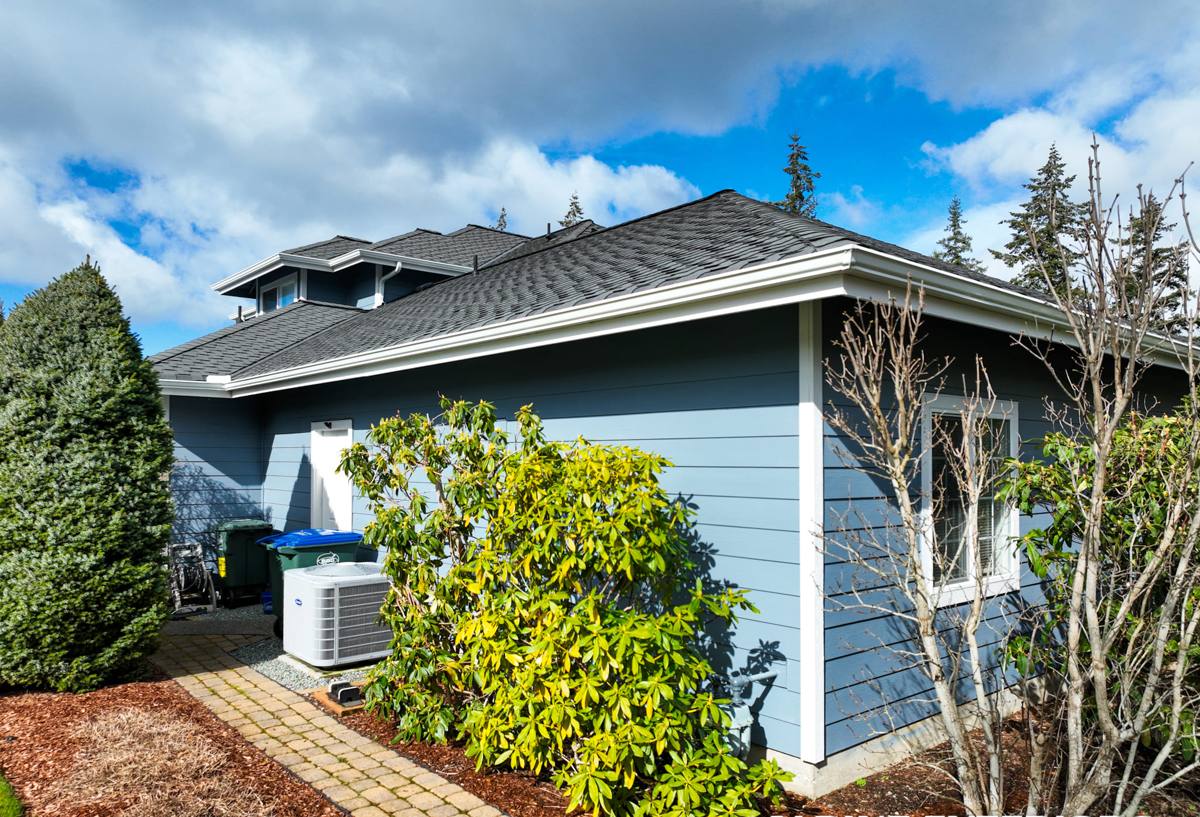
Why Local Homes Need More Than a Generic Patch
Wind Uplift at Edges and Transitions
Florida wind events don't just push down on a roof — they create uplift at eaves, ridges, rakes, and any place the roof plane changes direction. Fasteners and adhesive that were adequate when the roof was installed can loosen over years of thermal cycling and repeated wind loading. A repair that only replaces what's visibly missing, without checking the surrounding attachment, tends to fail again in the next storm.
UV Breakdown of Sealants and Underlayment
Florida sun is hard on any exposed roofing material, but it's especially hard on sealants, pipe boots, and exposed underlayment at repair areas. Sealant that looked fine when applied can crack and shrink within a couple of seasons under constant UV load, which is why we don't rely on sealant alone to solve a leak — it's a component of a repair, not the repair itself.
Wind-Driven Rain Intrusion
Ordinary rain falls straight down and sheds off a roof the way it's designed to. Wind-driven rain moves sideways and even upward under shingles, tile, and flashing edges. This is why leaks in this region often show up on an interior ceiling in a completely different location than the actual roof defect — water travels along the deck or underlayment before it finds a gap to drip through.
Salt Air and Metal Corrosion
Homes closer to the coast, and Manatee County has plenty of them, see accelerated corrosion on exposed fasteners, drip edge, and metal flashing. Corroded metal loses its ability to shed water where it matters most — at valleys, walls, and penetrations — well before the surrounding roofing material shows its age.
Signs Your Roof Needs Repair, Not Full Replacement
Most Lakewood Ranch homeowners call us because of one of a handful of clear warning signs. Catching these early is almost always cheaper than waiting.
- A ceiling stain that appears or grows after a heavy rain or wind event
- Missing, cracked, or lifted shingles or tiles after a storm
- Visible daylight or gaps around a plumbing vent, chimney, or skylight
- Granules collecting in gutters or at downspout discharge points
- Soft or spongy spots on the roof deck when walked (by a professional, not the homeowner)
- Rusted or lifted flashing at a wall-to-roof transition
- A musty smell in the attic or visible mold on attic framing
- Sagging in a specific area rather than across the whole roof plane
If a roof shows one or two of these in a localized area and the rest of the roofing system is sound, repair is usually the right call. Widespread issues across multiple roof planes, or a roof already near the end of its expected service life, is a different conversation — and we'll tell you honestly which situation you're in.
What a Correct Roof Repair Actually Involves
Finding the Real Source, Not Just the Symptom
Water can enter at one point and travel along the roof deck or underlayment before showing up somewhere else entirely. A repair that only addresses the spot where a stain appeared inside the house, without tracing the path back to the actual entry point, is a repair that will need to be redone.
Matching Existing Materials Where Possible
Whether a roof is shingle, tile, or metal, a proper repair uses materials compatible with what's already installed — matching profile, weight, and where reasonably possible, color and style. Mismatched patch materials aren't just a cosmetic issue; incompatible materials can behave differently under thermal expansion and wind load, creating a new weak point right next to the old one.
Rebuilding the Water Path, Not Just Covering It
Underlayment, flashing, and proper shingle or tile overlap all work together to move water off a roof and away from the structure. A correct repair restores that layered system in the damaged area rather than simply sealing over the top of it.
Checking Fasteners and Attachment
Given how much wind uplift matters in this region, a repair should include checking that the surrounding fasteners and attachment points are sound — not just the piece that was visibly damaged.
Our Repair Process
1. Inspection and Honest Assessment
We start by inspecting the affected area and the surrounding roof, including the attic where accessible, to trace the actual source of any leak or damage. We'll tell you plainly whether what we're looking at is a straightforward repair or something that points to a bigger underlying problem.
2. Clear, Written Scope and Estimate
Before any work starts, you'll know what we're repairing, what materials we're using, and what it will cost. No vague line items.
3. The Repair Itself
We remove and replace damaged roofing material and underlayment as needed, rebuild flashing and sealant details correctly, and confirm fastener attachment in the repaired area meets current wind resistance standards.
4. Cleanup and Final Walkthrough
We clear debris and nails from the work area and walk the repair with you (or provide photos and a summary if you're not on-site) so you know exactly what was done.
Repair vs. Replacement: How We Help You Decide
Not every roof problem calls for a full replacement, and not every repair is a good long-term investment. Here's the general framework we use when advising Lakewood Ranch homeowners:
| Factor | Leans Toward Repair | Leans Toward Replacement |
|---|---|---|
| Roof age | Well within expected service life | At or near end of expected lifespan |
| Extent of damage | Isolated to one area or feature | Spread across multiple roof planes |
| Underlayment condition | Sound outside the repair zone | Deteriorated broadly, found during inspection |
| Storm history | Single recent event, otherwise stable roof | Repeated repairs after successive storms |
| Material availability | Matching material still obtainable | Discontinued material, poor color/profile match |
When a roof is borderline, we'll walk through these factors with you directly rather than defaulting to whichever option costs more.
Material Considerations for Repairs in This Area
Asphalt Shingle Roofs
Repairing shingle roofs means matching not just color but also the shingle's wind rating and installation pattern, especially at exposed edges where uplift risk is highest.
Tile Roofs
Tile repairs require careful handling since walking a tile roof incorrectly can crack surrounding tiles that weren't originally damaged. Underlayment beneath tile is often the real point of failure even when the tile itself looks intact, since tile is a water-shedding layer over a separate waterproofing system.
Flashing and Metal Components
Given salt air exposure in Manatee County, we pay close attention to the condition of flashing metal and fasteners during any repair, and we won't reuse corroded metal just to save a step.
Why Hiring a Crew That Already Works in Lakewood Ranch Matters
Lakewood Ranch includes a mix of newer construction and established homes, many within communities that have their own architectural guidelines covering roofing appearance and material changes. A crew unfamiliar with the area can end up recommending a repair approach that technically fixes the leak but runs into an HOA approval issue afterward. We work within Manatee County permitting and code requirements as a matter of course, and we understand the practical realities of scheduling repair work around Florida's storm season, when demand for roofing work spikes and timelines matter.
Local experience also means faster, more accurate diagnosis. We've seen how homes in this area typically fail — which roof styles are prone to which issues, which details tend to be underbuilt from original construction, and where storm damage tends to concentrate. That knowledge shortens the inspection process and reduces the chance of a callback.
Maintenance Steps Between Repairs
A few habits between service calls go a long way toward extending the life of a repair and catching new problems early:
- Have the roof visually inspected after any named storm or major wind event
- Keep gutters and downspouts clear so water isn't backing up under the roof edge
- Trim back tree limbs that overhang the roof to reduce debris and abrasion
- Check the attic periodically for signs of moisture, staining, or odor
- Address small issues promptly rather than waiting for a bigger leak to force the issue
If you're seeing signs of a leak, storm damage, or you just want a second opinion on a roof's condition, we're happy to come out and take a straightforward look. There's no pressure and no obligation — just an honest assessment of what your roof needs, using the form below to get started.