 Bradenton Siding
 Windows Built for How Lakewood Ranch Actually Lives Outdoors
Lakewood Ranch homes deal with a specific combination of stresses that most window products were never designed around: long stretches of intense sun, sudden wind-driven rain, tropical storm and hurricane wind loads, and the humidity that sits over Manatee County for most of the year. Original builder-grade windows in this area are often single-pane or low-grade dual-pane units that were installed to meet a budget, not to perform for twenty years in this climate. Once seals fail or frames start to flex, you feel it directly — in higher cooling bills, in hot rooms on the west side of the house, and in condensation or fogging between the panes.
Replacing windows with genuinely energy-efficient units is one of the few home improvements that pays you back twice: lower monthly utility costs and a home that's noticeably more comfortable and quieter. Done right, it also adds a real layer of storm protection. Done wrong — wrong glass package, poor flashing, undersized fasteners — it can create leaks and pressure problems that didn't exist before. The details matter more here than in most parts of the country.
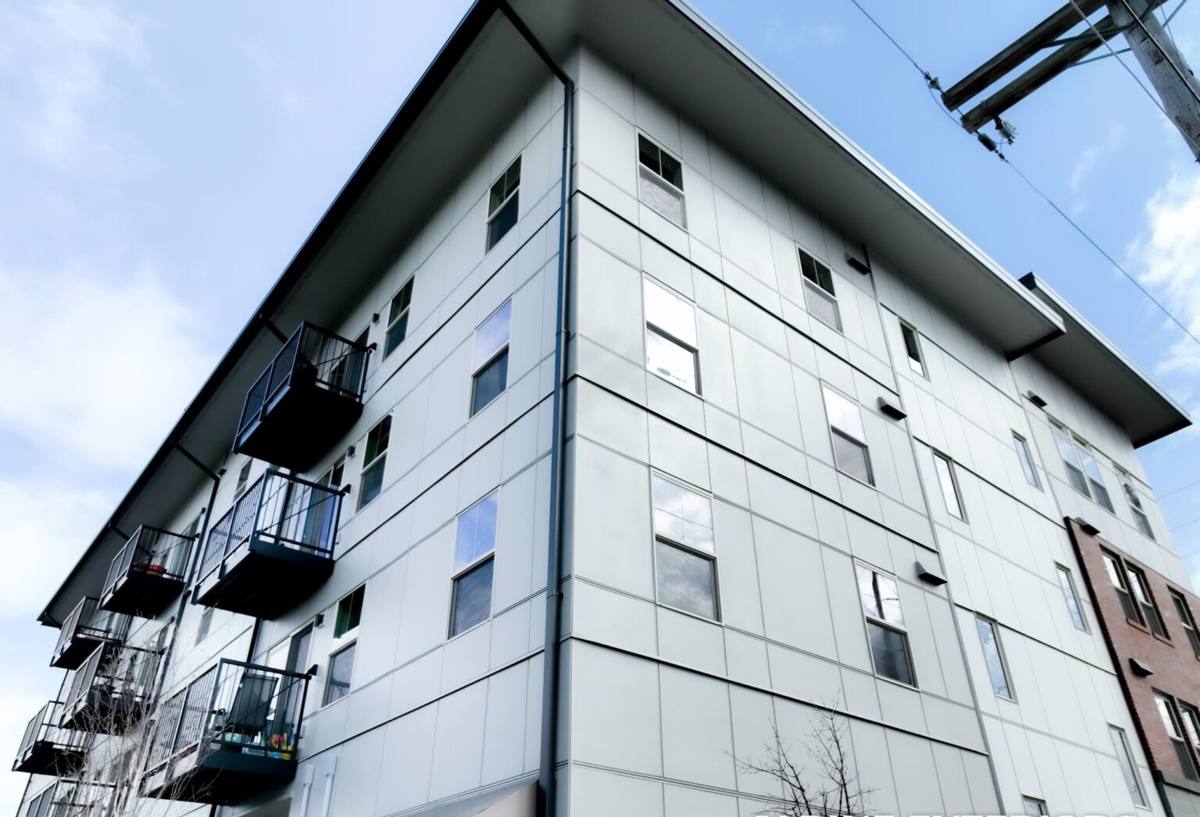
What "Energy-Efficient" Actually Means in a Florida Window
The phrase gets used loosely by a lot of sales teams. For a window to actually perform in Southwest Florida heat and humidity, three things have to work together:
Low-E Glass Coatings
Low-emissivity (Low-E) coatings are microscopically thin metallic layers applied to the glass that reflect infrared heat back outside while still letting visible light through. In a Bradenton-area home, this is the single biggest factor in keeping afternoon sun from turning a room into a greenhouse. Not all Low-E coatings are tuned the same way — some are built for cold climates and prioritize keeping heat in, which is the opposite of what you want here. For Lakewood Ranch, you want a coating tuned for solar heat rejection.
Frame Material
Vinyl and fiberglass frames handle Florida's heat-cycle and humidity better than uninsulated aluminum, which conducts heat straight through the frame and can pit or corrode faster in coastal-influenced, salt-laden air over time. Frame material also affects how well the window holds its seal under wind pressure, which ties directly into both energy performance and storm resistance.
Glass Package and Spacer System
Dual-pane (or in some cases laminated impact) glass with a quality spacer system between the panes resists the seal failure that causes that cloudy, fogged look you see in older double-pane windows. The gas fill between panes (typically argon) and the spacer material both affect long-term energy performance — cheap spacers fail years before the glass itself does.
Hurricane Winds and Wind-Driven Rain: The Non-Negotiable Part
Manatee County isn't in the state's High-Velocity Hurricane Zone (that's Miami-Dade and Broward), but every window installed here still has to meet Florida Building Code wind pressure requirements for our wind zone, and those requirements are serious. Two things determine whether a window will actually hold up in a real storm:
- Design Pressure (DP) rating — how much positive and negative wind pressure the window and its frame can withstand before failure.
- Installation quality — the correct fastener type, spacing, and anchoring into the actual wall structure (not just the trim), plus proper flashing and sealant so wind-driven rain can't force its way around the frame.
A window can carry an excellent rating on paper and still fail in the field if it's installed with the wrong fasteners or without proper flashing at the rough opening. We size and rate every window to its specific location on the house — a west-facing window on an open lot experiences different pressure than a sheltered window on a covered lanai — and we install to the fastening schedule the product and code actually require, not a shortcut version.
Impact vs. Non-Impact Glass
You don't have to choose impact-rated glass to get real energy efficiency, but it's worth understanding the trade-offs honestly:
| Factor | Standard Dual-Pane Energy-Efficient | Impact-Rated (Laminated) Windows |
|---|---|---|
| Storm protection | Requires separate shutters or panels | Built-in protection, no shutters needed |
| Upfront cost | Lower | Higher |
| Noise reduction | Good | Excellent (laminated interlayer dampens sound) |
| UV/heat performance | Depends on Low-E coating chosen | Depends on Low-E coating chosen (comparable) |
| Insurance premium impact | Minimal on its own | Can qualify for wind mitigation credits |
Plenty of Lakewood Ranch homeowners choose standard energy-efficient windows paired with existing shutters or a whole-home generator strategy, and that's a legitimate approach. Others want the impact glass so they never have to put up panels before a storm. We'll walk through the real cost and benefit of each rather than steer you toward the higher-margin option.
Where Cooling Costs Actually Come From
In a typical Manatee County home, windows are one of the largest sources of unwanted heat gain — more than most homeowners expect. Two numbers on the National Fenestration Rating Council (NFRC) label tell you almost everything you need to know before buying:
- U-Factor — measures how well the window prevents heat transfer. Lower is better. Look for something in the 0.30 or lower range for this climate.
- SHGC (Solar Heat Gain Coefficient) — measures how much solar heat passes through the glass. In our sun, lower is generally better; a good target is around 0.25 or lower on windows that get direct afternoon exposure.
Orientation matters as much as the window itself. West- and south-facing windows in Lakewood Ranch take the hardest sun in the late afternoon, and it's common for those exposures to justify a lower-SHGC glass package than windows on the shaded or north side of the same house. A blanket, one-size-fits-all glass spec across every window on the house usually isn't the most cost-effective approach.
Signs Your Current Windows Are Working Against You
- Rooms near west- or south-facing windows stay noticeably hotter than the rest of the house
- Visible fogging, haze, or moisture between the panes (seal failure)
- Frames feel warm to the touch on a sunny afternoon
- You can hear rain, wind, or traffic clearly through closed windows
- Difficulty opening, closing, or locking — frames have shifted or warped
- Soft spots, discoloration, or staining on the drywall or sill below the window
- Noticeably higher summer cooling bills compared to similar homes nearby
- Aluminum frames showing pitting, chalking, or corrosion
Any one of these is worth a look. Several together usually means the windows are past the point where caulk and weatherstripping will fix the problem.
How Our Process Works
1. On-Site Assessment
We walk the exterior and interior of the home, check existing frame condition, note sun exposure per elevation, and measure every opening individually — Florida homes settle and shift over time, and openings are rarely perfectly uniform even within the same house.
2. Product and Glass Recommendation
Based on exposure, budget, and whether storm protection is a priority, we recommend frame material and glass package per elevation, not a single spec for the whole house. We'll explain the DP rating, U-factor, and SHGC in plain terms so you know what you're buying and why.
3. Permitting
Window replacement in Manatee County requires a building permit, and if your property is in a deed-restricted community like most of Lakewood Ranch, it likely also requires HOA or architectural review approval before work begins. We handle the permit application and can provide the documentation most HOA committees ask for.
4. Removal and Installation
Old units are removed carefully to protect surrounding stucco, siding, or trim. New windows are set plumb and level, anchored per the manufacturer's and code's fastening schedule, and flashed and sealed to shed wind-driven rain — this flashing step is where a lot of leak problems on other jobs actually originate, and it's not optional on ours.
5. Final Inspection and Walkthrough
We test operation on every window, confirm locks and weatherstripping seat correctly, clean up the work area, and walk the job with you before we call it done. We also coordinate the county's final inspection so the permit closes out properly.
Why Local Lakewood Ranch Experience Matters
A crew that regularly works in this specific area already knows the practical details that save time and prevent headaches: which Lakewood Ranch communities require HOA architectural approval before a permit will even move forward, how Manatee County's inspection process typically runs, and how homes built in different phases of the development were framed and stuccoed, since construction details shifted over the years as the community grew. That local familiarity translates into fewer surprises mid-project and a smoother permitting process — problems that are easy to hit if a crew is learning the area's requirements for the first time on your job.
Caring for Energy-Efficient Windows After Installation
New windows are close to maintenance-free, but a few habits protect the investment:
- Rinse frames and tracks periodically to clear salt-laden dust and pollen buildup, especially on homes closer to the coast
- Keep weep holes (small drainage openings along the bottom of the frame) clear of debris so water can drain properly
- Inspect exterior caulk and sealant lines annually, particularly after a active hurricane season, and have any cracking addressed promptly
- Operate locks and hardware a few times a year even on windows you rarely open, to keep mechanisms from seizing
Most quality vinyl and fiberglass frames don't need painting or refinishing, which is part of why they hold up well against the maintenance demands of this climate compared to older aluminum-frame systems.
If your windows are working against you instead of for you, we're happy to take a look and give you an honest read on what's going on — no pressure, no hard sell. Use the form below to request a free estimate for your Lakewood Ranch home.