 Bradenton Siding
 Windows Built for What Parrish Weather Actually Does
Parrish sits inland from the coast, but that doesn't mean your windows get an easy life. This part of Manatee County still takes a direct hit from tropical systems moving off the Gulf, still bakes under Florida's UV load nine months of the year, and still deals with the humidity swings that punish old window frames and seals. The difference between a window that lasts fifteen years and one that lasts thirty usually comes down to two things: the product you chose and whether it was installed correctly for this climate. We handle both.
Homeowners in Parrish are also dealing with a housing stock that ranges from decades-old construction with single-pane aluminum windows to newer builds where the original windows were installed to minimum code and nothing more. Whichever situation describes your house, the goal is the same: windows that hold up to wind-driven rain, block heat gain instead of amplifying it, and don't become a maintenance headache five years in.
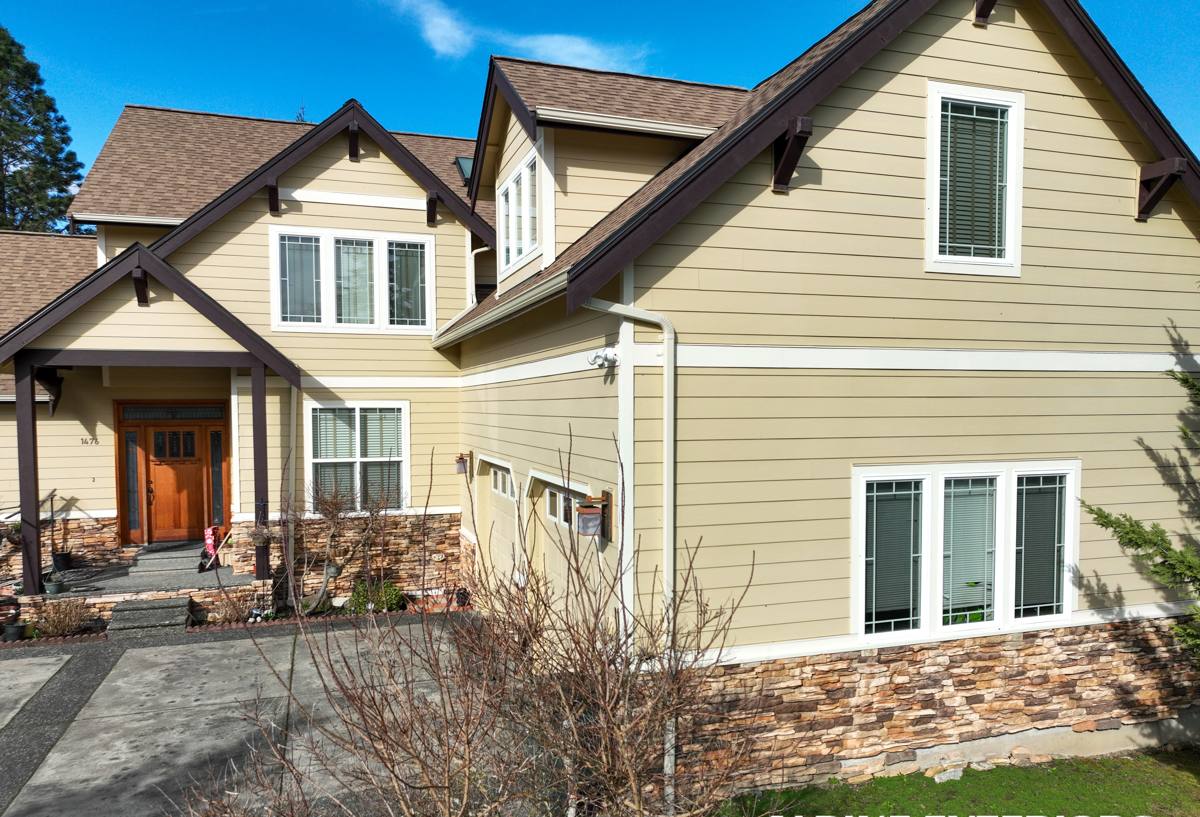
Why Window Replacement Is Different Here Than Up North
A window replacement crew that mostly works in milder climates approaches the job differently than one that works Manatee County year-round. Here's what actually matters locally:
Wind Load and Missile Impact
Manatee County follows Florida Building Code wind-borne debris requirements, which means replacement windows in this area need to meet impact and pressure standards appropriate to the zone your home sits in. This isn't optional paperwork — it's the difference between a window that stays intact during a storm and one that fails under wind pressure or flying debris, which can then pressurize the whole house and cause much worse damage to the roof and structure.
Wind-Driven Rain
Straight-down rain is rarely the problem. Rain pushed sideways by 40-60 mph gusts finds every gap in a poorly flashed or poorly caulked window and drives it straight into the wall cavity. Most of the water damage we find around older windows didn't come from a leaky window itself — it came from bad flashing or sealant that was never right in the first place.
UV and Heat
Central Florida sun is brutal on window components. UV breaks down cheap vinyl, dries out old glazing compounds, and fades interior finishes near unprotected glass. Low-E coatings and proper glass packages aren't a luxury upsell here — they're what keeps your cooling bills reasonable and keeps the window itself from degrading early.
Humidity and Condensation
Florida's humidity means any gap in a window's seal shows up fast — fogging between panes, musty smells, or soft spots in the surrounding frame. Proper installation with the right sealants and flashing tape keeps moisture where it belongs: outside.
What a Correct Window Replacement Involves
There's a lot more to this job than popping out an old window and setting a new one in the same hole. Skipping steps is exactly how homeowners end up with leaks, drafts, or a window that fails inspection or a future insurance review. Our process on a Parrish home typically looks like this:
- Assessment and measurement. We check the existing rough opening for square, level, and any rot or damage in the surrounding framing before we ever order product.
- Product selection based on wind zone. We match the window's design pressure and impact rating to your specific location and the county's code requirements — not a generic one-size-fits-all spec.
- Removal. Old windows come out carefully, and we inspect the opening for hidden water damage or framing issues that need to be addressed before the new window goes in. This step gets skipped by rushed crews and it's where most future problems start.
- Flashing and weatherproofing. Proper flashing tape and sealants go in at the sill, jambs, and head — sequenced correctly so water sheds outward, never inward.
- Setting and shimming. The window gets set plumb, level, and square, shimmed correctly, and fastened per the manufacturer's installation instructions, which is also what keeps the impact rating and warranty valid.
- Sealing and insulation. Low-expansion foam or backer rod and sealant fill the gap around the frame — enough to insulate and seal without bowing the frame out of square.
- Interior and exterior finish work. Trim, caulking, and paint touch-up so the finished opening looks clean inside and out.
- Final walkthrough. We check operation, locks, and seals with you before we consider the job done.
Choosing the Right Window for a Parrish Home
There isn't one "best" window for every house — it depends on your budget, your home's exposure, and what you're trying to fix (energy bills, storm protection, noise, appearance, or all of the above). Here's how the common options stack up for this climate:
| Window Type | Best For | Climate Trade-Offs |
|---|---|---|
| Impact-rated vinyl | Most Parrish homes seeking storm protection without a big budget jump | Good UV-stable formulations hold up well; lower-grade vinyl can degrade faster under constant sun |
| Impact-rated aluminum | Larger openings, coastal-adjacent exposure, modern aesthetics | Strong and slim-profile, but a poor thermal break can increase heat transfer if not specified correctly |
| Non-impact with shutters | Homeowners prioritizing lower upfront cost | Requires deploying shutters before every storm; doesn't address daily UV and noise the way laminated impact glass does |
| Fiberglass frame | Homeowners wanting minimal expansion/contraction and long-term stability | Higher upfront cost, but very stable in Florida's heat and humidity swings |
We'll walk through these trade-offs honestly based on your specific home and budget rather than pushing whatever has the best margin. If a lower-cost option genuinely fits your situation better, we'll say so.
Signs Your Parrish Home's Windows Need Replacing
- Windows feel warm to the touch or let in noticeable heat near the glass on sunny days
- Visible fogging or moisture between panes of double-pane glass — a sign the seal has failed
- Difficulty opening, closing, or locking, especially after humidity shifts
- Soft or discolored framing/trim around the window, which can indicate water intrusion
- Single-pane or original-to-the-house aluminum windows with no impact rating
- Noticeable draft or air movement near the frame when it's windy outside
- Rising energy bills without another clear explanation
- Visible gaps, cracked caulk, or daylight around the frame from outside
Cost Factors Homeowners Should Understand
Window replacement pricing varies a lot based on a handful of real factors, and it's worth understanding them before you compare quotes:
| Factor | Why It Affects Price |
|---|---|
| Impact rating | Impact-rated glass and frames cost more than standard glass but reduce or eliminate the need for separate storm shutters |
| Window size and quantity | Larger openings and whole-house jobs have different labor and material scaling than a single small window |
| Frame material | Vinyl, aluminum, and fiberglass carry different material costs and different longevity in this climate |
| Condition of the rough opening | Rot, out-of-square framing, or old water damage found during removal adds repair work before the new window can go in correctly |
| Glass package | Low-E coatings, laminated interlayers, and gas fills between panes affect both price and long-term performance |
| Permitting | Manatee County permitting and inspection requirements apply to most window replacement work and are part of doing the job correctly |
We give straightforward, itemized estimates so you can see exactly what you're paying for — not a vague lump sum.
Permits and Code Requirements in Manatee County
Window replacement in unincorporated Manatee County, including Parrish, typically requires a permit, and inspections confirm the installed product and installation method meet the approved product's rating for your wind zone. This matters for more than just legal compliance — a permitted, inspected installation gives you documentation that can matter when you sell the home or file an insurance claim after a storm. We handle the permitting process as part of the job so you're not left chasing paperwork.
Why a Crew That Already Works Parrish Matters
Window replacement looks straightforward from the outside, but the details that keep a window performing for decades — correct flashing sequence, matching the product spec to the actual wind zone, catching hidden framing damage before it's covered up — are exactly the details that get missed by crews unfamiliar with this area's code requirements and climate demands. A crew that regularly works in Bradenton and the surrounding Manatee County communities already knows:
- What wind zone and design pressure requirements apply to homes in this part of the county
- How local permitting and inspection processes work, so the job doesn't stall waiting on paperwork
- Which installation details matter most for wind-driven rain and long-term UV exposure
- How to spot early-stage water damage around older window openings before it becomes a bigger repair
That local familiarity translates directly into fewer surprises, fewer callbacks, and a window system that's actually built for the conditions it has to survive.
What to Expect Working With Us
We keep the process straightforward: an honest on-site assessment, a clear written estimate that spells out product and labor, a defined timeline, and a cleanup standard that leaves your property the way we found it. We're not going to oversell you on features you don't need, and we're not going to cut corners on the flashing and sealing details that determine whether the job holds up. If a full-house window replacement isn't the right move yet and a more targeted repair or partial replacement makes more sense, we'll tell you that too.
If your Parrish home's windows are original, showing wear, or you're just ready to stop worrying about the next storm, we're happy to take a look and give you a straightforward, no-pressure estimate. Use the form below to get started.