 Bradenton Siding
 Storm Damage Roof Repair for Cortez Homes
Cortez sits right on the water in Manatee County, and that location cuts both ways. It's a big part of what makes the area special, and it's also why roofs here take a harder beating than roofs a few miles inland. Between tropical systems, seasonal thunderstorms, and the day-to-day grind of sun and salt, a Cortez roof is doing more work than the shingles or panels on a typical suburban home. When a storm damages that roof, the repair needs to account for all of that — not just patch the visible hole and move on.
This page covers what storm damage roof repair actually involves for a Cortez property: what the local climate does to roofing materials over time, what a thorough repair looks like versus a quick patch, and why it matters to work with a crew that's already familiar with this stretch of the coast.
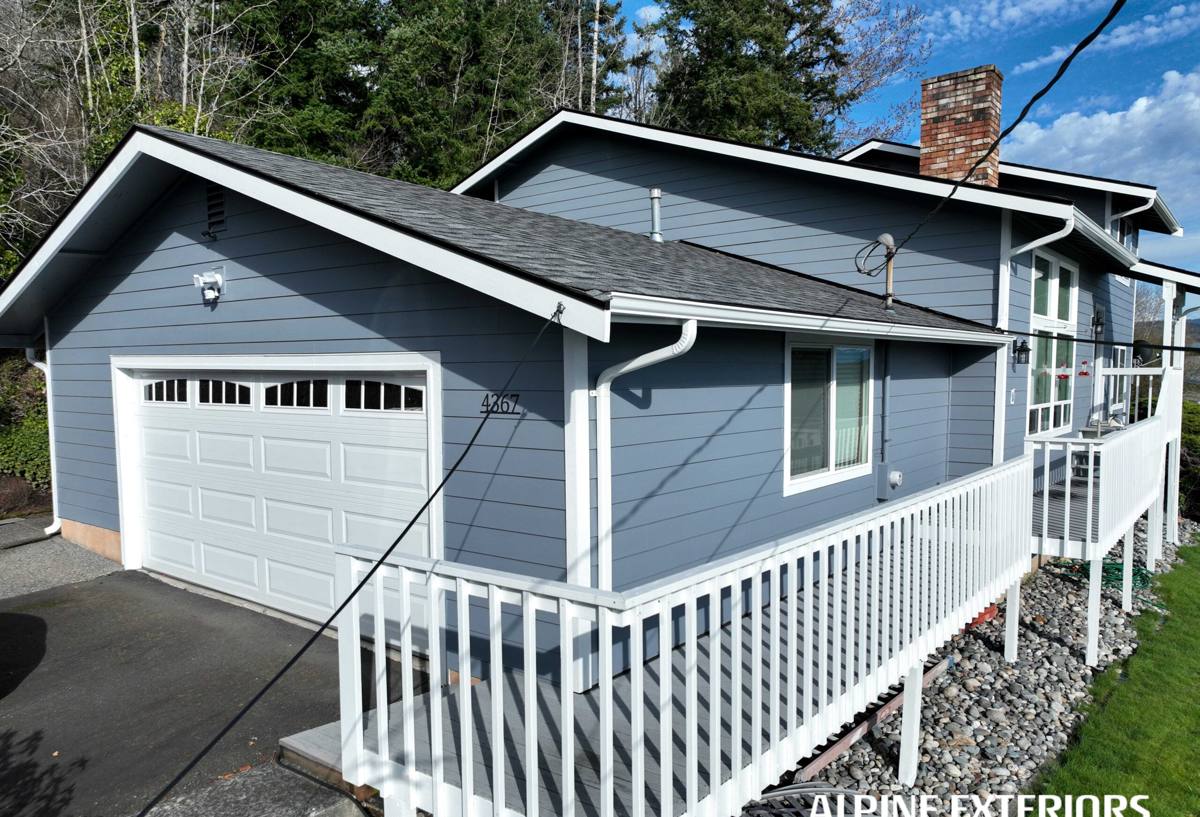
What Cortez's Coastal Climate Does to a Roof
Every roofing material sold in Florida is rated to handle heat, rain, and wind. What wears a roof down faster near the water is the combination of all of it, happening at once, year after year.
Wind and Uplift
Cortez's exposure to open water means wind loads during tropical storms and hurricanes arrive with less to slow them down first. Shingles, ridge caps, and flashing take direct pressure from gusts, and once wind gets under even one lifted tab or a loose piece of flashing, it can peel back a much larger section of roof in seconds. Repeated wind events, even ones that don't make headlines, gradually loosen fasteners and seals that looked fine after the first storm.
Salt Air and Corrosion
Airborne salt from the Gulf settles on everything, including roofing metal. Nail heads, flashing, drip edge, and any exposed fasteners are more prone to corrosion here than they would be inland. Corroded metal loses holding strength well before it looks obviously rusted, which is part of why storm damage on a coastal roof is sometimes worse than it appears from the ground.
UV and Heat
Florida sun is intense nearly year-round, and it breaks down the asphalt oils in shingles and the sealants around flashing and penetrations over time. A roof that's already UV-brittle has less flexibility to absorb wind and impact stress, so storm damage tends to be more extensive on an older, sun-worn roof than on a newer one hit by the same storm.
Wind-Driven Rain
Straight-down rain and sideways, wind-driven rain behave very differently on a roof. Wind-driven rain can be pushed up under shingle tabs, through small gaps in flashing, and into vent penetrations that would never leak in a normal rainstorm. This is one of the most common ways Cortez homes end up with interior water damage even when the roof surface looks mostly intact after a storm.
Common Storm Damage We Find on Cortez Roofs
Not all storm damage is a hole in the roof. Some of the most costly problems are the ones that aren't obvious from the driveway.
- Lifted or missing shingles — often concentrated on the roof edges, ridges, and corners where wind pressure is highest
- Compromised flashing — around chimneys, skylights, and roof-to-wall transitions, where a small gap lets water in
- Soffit and fascia damage — wind can pull these loose, which then opens a path for water and pests into the attic space
- Bruised or cracked shingles — from wind-blown debris, which may not leak immediately but shortens the roof's remaining life
- Underlayment exposure — once shingles are gone in a spot, the underlayment beneath is the only thing standing between the storm and your attic, and it's not built to last long on its own
- Gutter and drip edge separation — which redirects water in ways that can damage fascia, siding, or the foundation over time
Repair vs. Replacement: How We Decide
Not every storm-damaged roof needs to come off. But not every roof should be patched, either. The right call depends on a few honest factors.
| Factor | Favors Repair | Favors Replacement |
|---|---|---|
| Extent of damage | Isolated to one section or slope | Spread across multiple slopes or the whole roof |
| Roof age | Roof is under roughly 10-12 years old | Roof is near or past its expected service life |
| Underlying condition | Deck and underlayment are sound where inspected | Deck shows rot, or underlayment is brittle throughout |
| Shingle match availability | Matching shingles are available | Discontinued shingle line, visible mismatch is unavoidable |
| Storm history | First significant damage event | Repeated storm damage over recent years |
We'll walk you through where your roof falls on that table before we recommend anything, and we'll explain the reasoning in plain terms — not just hand you a number.
What a Correct Storm Damage Repair Involves
Full Inspection, Not Just the Obvious Spot
A storm-damaged roof almost always has more going on than the one leak that prompted the call. We check the whole roof surface, the flashing details, the soffit and fascia, and — where accessible — the attic side, because water stains inside often tell a different story than the roof looks from the ground.
Emergency Tarping When Needed
If there's active exposure, getting the roof dried in and protected comes first. A properly secured tarp buys time to plan the actual repair correctly instead of rushing it.
Matching Materials and Fastening Standards
Repairs need to tie into the existing roof correctly — same or compatible shingle profile, proper nailing pattern, and flashing that's actually sealed and lapped correctly, not just caulked over. A repair that doesn't match the surrounding roof's installation standard is often the next leak waiting to happen.
Code-Compliant Work
Roofing repairs in Manatee County are done to Florida Building Code requirements, which account for the wind exposure our area sees. That means using fasteners, underlayment, and flashing methods that meet current standards, not just replicating whatever was there before if it wasn't done correctly the first time.
Our Process
- Free on-site inspection and honest assessment of what's actually damaged
- Photo documentation of storm damage, useful if you're filing an insurance claim
- Clear explanation of repair vs. replacement, with our reasoning
- Written estimate before any work begins — no surprise charges
- Emergency tarping if the roof is actively exposed
- Repair work using matched materials and code-compliant methods
- Final walkthrough so you can see the completed work before we consider the job done
Working With Insurance on Storm Damage Claims
Many Cortez homeowners are filing an insurance claim when they call us. We're not a public adjuster and we won't promise what your carrier will or won't cover, but we do provide clear photo documentation and a straightforward written scope of the damage and the repair, which is what most adjusters need to evaluate a claim fairly. If you're unsure whether damage is significant enough to file, an inspection first — before you call your carrier — gives you a clearer picture of what you're dealing with.
Why a Local Cortez Crew Matters
After a storm moves through, response time matters. A roofing company working out of the Bradenton area can get to a Cortez property faster than an out-of-town crew that showed up chasing storm work, and faster response generally means less secondary water damage.
There's also a practical familiarity factor. A crew that regularly works the Bradenton and Manatee County coastline already understands how salt air affects fastener choice, how local wind exposure tends to concentrate damage on certain roof sections, and what Manatee County's permitting and inspection process looks like for repair work. That's knowledge you don't have to pay to have re-learned on your roof.
It also matters after the storm crews from other states have packed up and left town, which happens every hurricane season. A local, honest company is still here — and still reachable — for warranty follow-up or a callback if anything needs attention down the road.
Protecting the Repair Going Forward
A good storm repair should reduce your risk in the next event, not just fix what already happened. A few things help extend the life of a repaired roof in a coastal environment like Cortez:
- Have the roof inspected after any major storm, even if you don't see obvious damage from the ground
- Keep gutters and downspouts clear so wind-driven rain has somewhere to go
- Trim back tree limbs that could become wind-blown debris in the next storm
- Address small issues — a lifted shingle tab, a soft spot in fascia — before they become bigger repairs
- Keep a record of past repairs and inspections, which helps with future insurance claims and resale
If a recent storm left damage on your Cortez roof, or you just want a professional set of eyes on it before the next one comes through, we're happy to take a look. Fill out the form below for a free, no-pressure estimate — we'll give you a straight answer about what your roof needs and what it doesn't.