 Bradenton Siding
 Roofing a Barrier Island Home Is a Different Job
Longboat Key sits out on the Gulf, exposed on both sides to open water. A shingle roof here takes a beating that an inland Manatee County roof never sees: sustained salt-laden wind, tropical storm and hurricane gusts, wind-driven rain that gets pushed sideways under loose flashing, and year-round UV that's more intense than almost anywhere else in the continental U.S. None of that means asphalt shingles are the wrong choice for the island. It means the installation has to be done correctly, with the right materials and the right attention to detail, because a roof that would be "good enough" a few miles inland can fail early out here.
We work on Longboat Key regularly, alongside jobs throughout Bradenton and the rest of Manatee County, so this page focuses on what actually matters for a shingle roof on this stretch of coastline — not generic roofing advice.
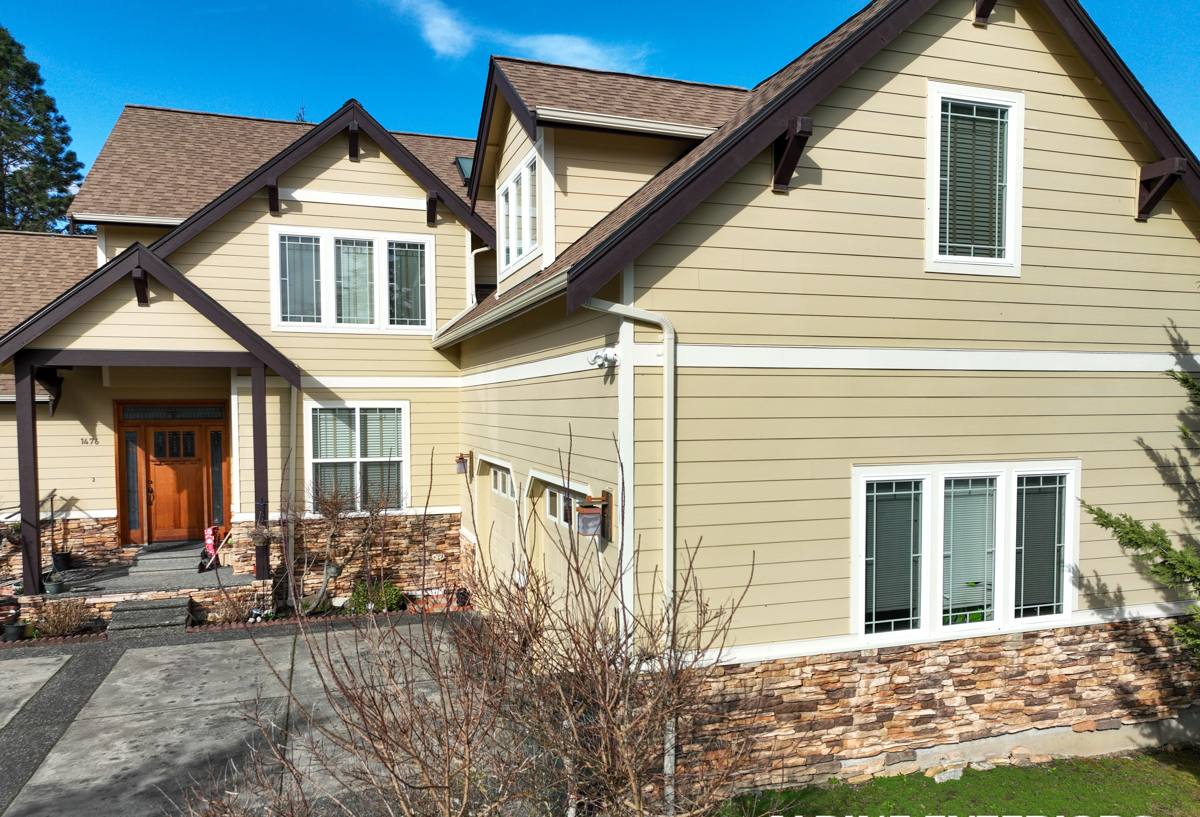
What Longboat Key's Climate Does to a Shingle Roof
Wind
Even outside of a named storm, Longboat Key sees stronger sustained coastal winds than inland neighborhoods. Every gust works at the shingle's edge, the sealant strip, and every fastener. Over time, wind is what separates a roof that was installed correctly from one that wasn't — the failures show up first at ridges, rakes, and eaves.
Salt Air
Airborne salt corrodes exposed metal faster near the water. Flashing, drip edge, fasteners, and any exposed roof hardware all need to be rated for a marine environment, not just "outdoor use." This is one of the most common shortcuts we see on older island roofs — standard fasteners or flashing that were fine for a few years and then started rusting and staining.
UV and Heat
Constant, intense sun bakes the asphalt in shingles, drying out the oils that keep them flexible over time. That process happens everywhere in Florida, but the reflected glare off the Gulf and the lack of tree canopy on much of the island add to the heat load a roof deals with.
Wind-Driven Rain
Rain that comes in nearly sideways during a storm doesn't behave like rain falling straight down. It works its way under shingle tabs, around vents, and into any flashing detail that isn't sealed and lapped correctly. This is why the underlayment and flashing work matters as much as the shingles themselves.
What a Correctly Installed Roof Looks Like Here
An asphalt shingle roof built for Longboat Key isn't a different product line — it's the right components, installed to a higher standard than a builder-grade job inland might use.
Shingle Selection
We favor architectural (laminated) shingles over basic three-tab in coastal applications. They carry higher wind-resistance ratings, sit flatter and more securely, and generally hold up better to the wind loads this area sees. Algae-resistant (AR) shingles are also worth the small cost difference on the island — Florida's humidity promotes the dark streaking that shows up on roofs without that protection, and it's harder to keep ahead of that near the water.
Underlayment and Secondary Water Barrier
A synthetic underlayment, installed with proper overlaps, is the baseline. On coastal and storm-exposed roofs we also pay close attention to sealing the deck at seams and penetrations, so that if wind-driven rain ever gets past the shingles, it doesn't get past the underlayment too.
Fastening
Nailing pattern and nail placement is where a lot of shingle failures start. High-wind installations call for six nails per shingle rather than four, placed in the manufacturer's specified nailing zone — not just wherever's convenient. We also use corrosion-resistant fasteners throughout, given the salt exposure.
Edges, Valleys, and Penetrations
Drip edge at the eaves and rakes, properly lapped step flashing at walls and chimneys, and correctly sealed pipe boots and vent flashing are what keep water out at the details — which is where the overwhelming majority of leaks actually start, not in the open field of the roof.
Ventilation
Balanced intake and exhaust ventilation keeps the attic from overheating and trapping moisture, which extends the life of both the shingles and the roof deck underneath them.
Wind Ratings and Building Code
Manatee County enforces the Florida Building Code, and coastal properties like those on Longboat Key typically fall within the state's wind-borne debris region, which affects material and installation requirements. In practice, that means the shingle system — shingle, underlayment, and fastening pattern together — needs to carry a wind rating appropriate for the site, and the work needs to pass permit inspection, not just look finished from the ground.
We pull permits and build to code on every roofing job, and we handle the inspection process as part of the work rather than treating it as an afterthought.
A Note on HOAs and Condo Associations
A lot of Longboat Key properties fall under an HOA or condo association with its own architectural review process — color approval, material specifications, sometimes a required manufacturer or product line. We factor that into scheduling from the start rather than discovering it mid-project, and we're glad to work directly with a property manager or board when that's how a community handles approvals.
Our Process for a Longboat Key Roof Replacement
- Inspection and assessment. We check the deck, existing flashing, ventilation, and any signs of past leaks before quoting anything — not just the shingles from the ground.
- Written estimate. Clear scope, materials, and pricing, including any deck repair that turns up during tear-off.
- Permitting. We handle the Manatee County permit and any HOA or association paperwork the property requires.
- Tear-off and deck inspection. Old roofing comes off down to the deck so we can actually see what we're building on, and replace any damaged sheathing before it's covered up again.
- Underlayment, flashing, and shingle installation. Installed to the wind-rated specification for the site, not a generic pattern.
- Cleanup and final inspection. Site cleared of debris and nails, and the work passes the required inspection before we call it done.
Signs Your Longboat Key Roof Needs Attention
- Shingles that are curling, cupping, or lifting at the edges
- Granules collecting in gutters or at downspouts
- Dark streaking or algae growth across the roof surface
- Visible rust staining around flashing, vents, or fasteners
- Soft spots or sagging when viewed from the ground
- Water stains on ceilings or in the attic after heavy rain
- Missing or damaged shingles after a windstorm, even a minor one
- A roof approaching or past the manufacturer's expected service life
Catching these early is almost always cheaper than waiting for a leak to show up inside the house.
What Affects the Cost of a Shingle Roof on the Island
| Factor | Why It Matters |
|---|---|
| Roof size and pitch | More area and steeper slopes mean more material and labor time |
| Shingle tier | Basic three-tab, architectural, and higher wind-rated lines carry different material costs |
| Deck condition | Rotted or damaged sheathing found during tear-off adds material and labor |
| Flashing and penetrations | Chimneys, skylights, multiple vents, and complex rooflines add detail work |
| Access and staging | Barrier island logistics — parking, staging area, and site access — can affect scheduling and setup |
| HOA/association requirements | Specified colors or product lines can narrow material choices |
| Permitting | County permit fees and inspection scheduling are part of every legitimate roofing job |
We don't quote off square footage alone — the estimate reflects what we actually find on the roof and the deck underneath it.
Why Local Experience on Longboat Key Matters
A crew that only occasionally works this stretch of coastline doesn't always know the details that make a difference here — which fastener and flashing specs actually hold up to salt exposure over years, how the county's wind-borne debris requirements apply to a given roof, or how to work around an island HOA's approval timeline without stalling the whole job. We work in Bradenton and the surrounding Manatee County communities regularly, including Longboat Key, so those aren't new problems to solve on your project — they're already part of how we plan and build.
Barrier island access also matters logistically. Bridge traffic, limited staging space on some properties, and seasonal congestion all affect how a roofing job needs to be scheduled and run. Planning for that up front keeps the project on track instead of running into surprises halfway through.
Get a Straightforward Estimate
If your Longboat Key home needs a new roof, a repair, or you just want an honest read on the shingles you have now, we're happy to take a look. The estimate is free, there's no pressure attached to it, and you'll get a clear explanation of what we find and what it would take to fix it. Fill out the form below to get started.