 Bradenton Siding
 Why Window Installation on Longboat Key Isn't a Standard Job
Longboat Key sits out on the Gulf, which means every window on the island is doing more work than the same window would do a few miles inland. Salt-laden air corrodes hardware and finishes faster than almost anywhere else in the Bradenton area. Wind-driven rain gets pushed sideways into wall assemblies during storms, testing every seal and flashing detail. And the sun is relentless, breaking down seals, weatherstripping, and low-quality vinyl year-round, not just in summer. A window that would perform fine in a subdivision ten miles inland can fail early out here if it wasn't chosen and installed with the barrier-island environment in mind.
That's the lens we bring to every Longboat Key project: this isn't a generic "swap old windows for new ones" job. It's an installation that has to survive salt, sun, and wind pressure that most window products and most installers never have to account for.
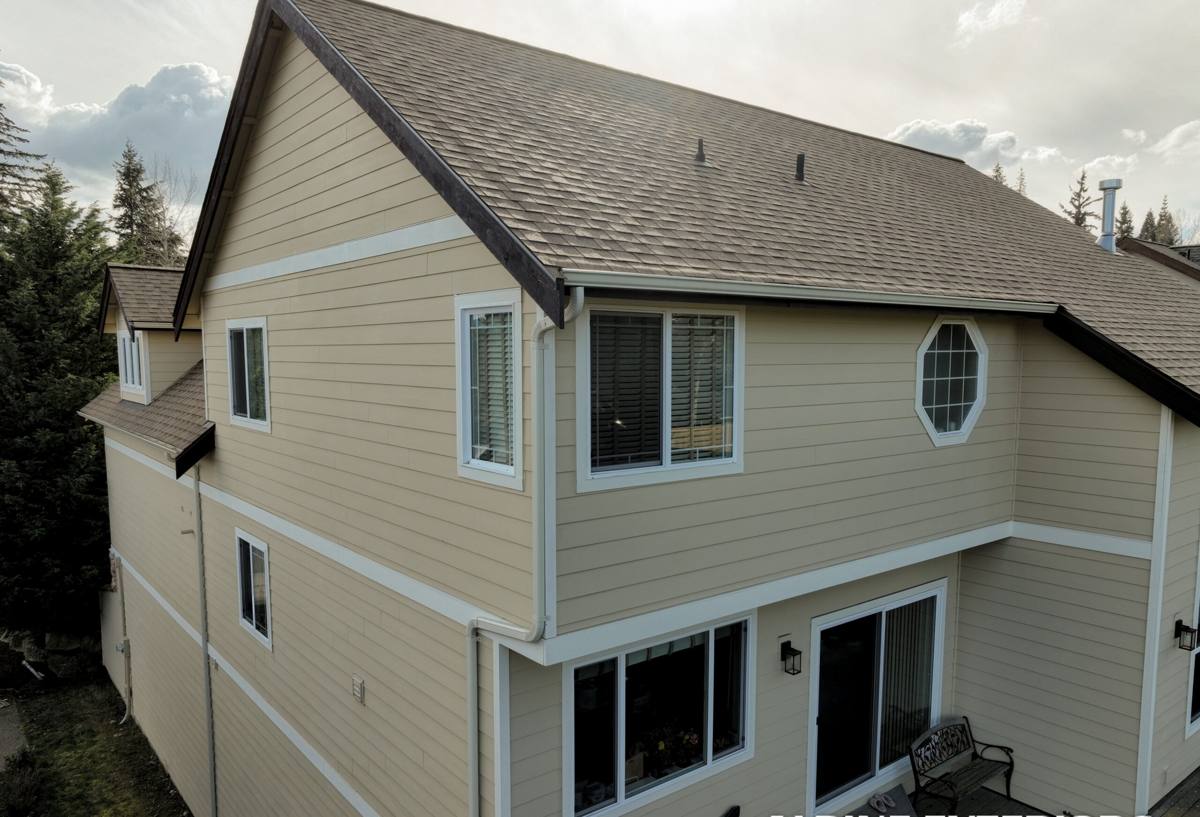
What the Coastal Environment Actually Does to Windows
Salt Air and Corrosion
Airborne salt settles on and around window components constantly on Longboat Key. Left unaddressed, it corrodes screws, hinges, balance systems, and cheaper aluminum cladding. This is why hardware grade and frame material matter more here than in most of Manatee County — a window that's "fine" in a catalog spec sheet may not hold up long-term a few blocks from the Gulf.
Wind-Driven Rain
During tropical storms and the seasonal squalls that roll through, rain doesn't just fall — it's driven horizontally into the building envelope. A window can be structurally sound and still leak if the flashing, sill pan, and sealant details around it weren't done correctly. Most water intrusion problems we see aren't a bad window; they're a poorly integrated installation.
UV Exposure
Year-round Florida sun breaks down vinyl, weatherstripping, and low-grade sealants over time, leading to warping, discoloration, and seals that lose their grip well before a window's expected lifespan is up. Frame material and glass package both play into how well a window resists this.
What a Correct Installation Involves
Code-Compliant Products
Manatee County coastal properties, including Longboat Key, fall under wind-borne debris and design-pressure requirements set by the Florida Building Code. That means the windows themselves need documented wind-load and impact ratings appropriate to the site, not just "hurricane-rated" as a marketing phrase. We confirm the correct rating for the specific home before ordering anything.
Flashing and Moisture Management
Around each opening, we integrate flashing, sill pans, and sealants so water is directed back out of the wall assembly rather than trapped behind the window. This step is invisible once the job is finished, but it's the difference between a window that stays dry for decades and one that causes hidden rot in a few years.
Fastening Into the Actual Substrate
Coastal homes on Longboat Key are built from a mix of materials — block, wood frame, and various stucco systems. Anchoring has to be matched to what's actually behind the opening, with fastener spacing and embedment that meets the window's tested installation instructions, not a generic pattern.
Impact-Rated Glass vs. Non-Impact With Shutters
Longboat Key homeowners generally choose between two paths for storm protection: impact-rated windows, or standard windows paired with a separate shutter or panel system. Both are legitimate approaches under Florida code when installed correctly — the right one depends on budget, how the home is used, and how much manual storm prep you want to deal with each season.
| Factor | Impact-Rated Windows | Standard Windows + Shutters |
|---|---|---|
| Storm prep effort | None — protection is built in | Shutters/panels must be installed before each storm |
| Upfront cost | Higher per window | Lower window cost, added shutter cost |
| Daily UV and noise protection | Better year-round (laminated glass) | No added benefit unless shutters are deployed |
| Appearance | No visible hardware between storms | Shutter tracks/hardware visible year-round |
| Insurance considerations | Often favorable, varies by carrier | Varies by carrier and shutter type |
| Maintenance | Glass and frame only | Two systems to maintain (window + shutters) |
We'll walk through both honestly for your specific home rather than pushing whichever is more expensive. For homes that are unoccupied part of the year — common on Longboat Key — impact glass tends to make more sense simply because there's no one on-site to deploy shutters before a storm.
Frame and Glass Choices That Hold Up to Salt Air
Frame material affects how well a window resists corrosion and UV breakdown over time:
- Vinyl: Common and cost-effective; quality varies significantly, and lower-grade vinyl can warp or discolor faster under constant coastal sun.
- Aluminum: Strong and slim-profile, but needs a coastal-grade finish to resist salt corrosion — standard mill finish aluminum will pit and corrode faster this close to the Gulf.
- Fiberglass: Generally the most stable dimensionally and resistant to both UV and salt exposure, at a higher price point.
On the glass side, laminated impact glass (two panes bonded with an interlayer) is the standard for storm protection and also cuts down on UV transmission and outside noise — a meaningful upgrade on an island where Gulf-facing rooms take the brunt of both sun and wind.
Signs Your Current Windows Are Losing the Fight
If you're not sure whether it's time to replace, these are the warning signs we see most often on Longboat Key homes:
- Hardware (locks, hinges, cranks) that's stiff, corroded, or won't fully engage
- Visible fogging or moisture between panes on double-pane units — a sign the seal has failed
- Frames that feel soft, discolored, or chalky from UV exposure
- Drafts or a whistling sound during windy conditions
- Difficulty opening/closing, or the window not sitting flush in the frame anymore
- Visible gaps around the frame, or water staining on interior walls near a window after storms
Any one of these on its own isn't necessarily an emergency, but a home with several of these signs is usually past the point where caulk and adjustments will solve the problem.
Our Installation Process
- On-site assessment: We look at each opening, the substrate behind it, current condition, and how the home is oriented to wind and sun.
- Product recommendation: Based on that assessment and your budget, we recommend frame material, glass package, and impact rating — with the trade-offs explained plainly.
- Permitting: We handle the permit process required for window work in Manatee County, including the documentation tied to wind-load and impact ratings.
- Removal and prep: Old windows come out, and we inspect the opening for hidden moisture damage before anything new goes in — this is where problems get caught early instead of sealed behind a new window.
- Installation: Windows are set, flashed, sealed, and fastened per manufacturer specifications and code.
- Final inspection and walkthrough: We confirm proper operation, sealing, and finish before considering the job done.
Permitting on Longboat Key and in Manatee County
Window replacement on Longboat Key requires a permit, and inspections typically confirm that the products installed match the wind-load and impact documentation submitted. This isn't paperwork for its own sake — it's what confirms the windows in your home will actually perform the way they're rated to during a real storm. We manage this process as part of the job rather than leaving it for the homeowner to sort out.
Why Local Experience on Longboat Key Matters
A crew that mostly works inland jobs may not think twice about frame finish, fastener grade, or flashing details that matter specifically on a barrier island. Working Longboat Key regularly means we already know what the salt air, wind exposure, and building types out here typically require — so the product and installation choices aren't guesswork. It also means we understand the county's permitting expectations for coastal wind zones, which keeps the job moving instead of getting held up on paperwork.
What Reasonable Costs Depend On
Costs for window installation on Longboat Key vary based on a few honest factors, rather than a flat per-window price:
| Cost Factor | Why It Matters |
|---|---|
| Impact rating vs. standard glass | Impact-rated units cost more upfront but remove the need for separate storm protection |
| Frame material | Fiberglass and coastal-grade aluminum typically cost more than standard vinyl |
| Opening condition | Hidden moisture or substrate damage found during removal can add scope |
| Window size and configuration | Larger openings, sliders, and custom shapes cost more than standard double-hungs |
| Number of windows | Whole-house replacement typically brings a better per-unit price than one-off replacements |
We won't quote a number without seeing the home — anyone who does is guessing. What we can promise is a clear, itemized estimate that explains what you're paying for and why.
After Installation: Keeping Windows Performing in a Coastal Climate
New windows still need basic upkeep out here. Rinsing frames and tracks periodically helps clear salt buildup before it starts corroding hardware. Keeping weep holes clear lets water drain properly instead of pooling. And an annual look at seals and caulking catches small issues before UV exposure turns them into leaks. None of this is heavy maintenance, but skipping it shortens the life of even a well-installed, well-chosen window on Longboat Key.
If your windows are showing their age, or you're planning ahead for the next storm season, we're happy to take a look and walk you through your options honestly. Fill out the form below for a free, no-pressure estimate.