 Bradenton Siding
 Roof Repair Built for a Barrier Island, Not a Subdivision
Longboat Key sits out on the Gulf, exposed on both sides to salt spray, open water, and whatever weather rolls in off the coast. A roof out here works harder than the same roof would ten miles inland. Fasteners corrode faster. Sealants dry out and crack sooner. Wind loads at the roofline are higher because there's nothing between the house and the open water to slow the wind down. If you own a home or condo on Longboat Key, your roof isn't dealing with "normal" Florida weather — it's dealing with the harshest version of it.
That's the lens we use for every roof repair call out here. A patch that would hold up fine in a landlocked neighborhood can fail in a season on the Key if it's not detailed for salt exposure and wind-driven rain. This page covers what actually goes wrong with Longboat Key roofs, what a repair needs to include to actually last, and how we handle the job from first call to final walk-through.
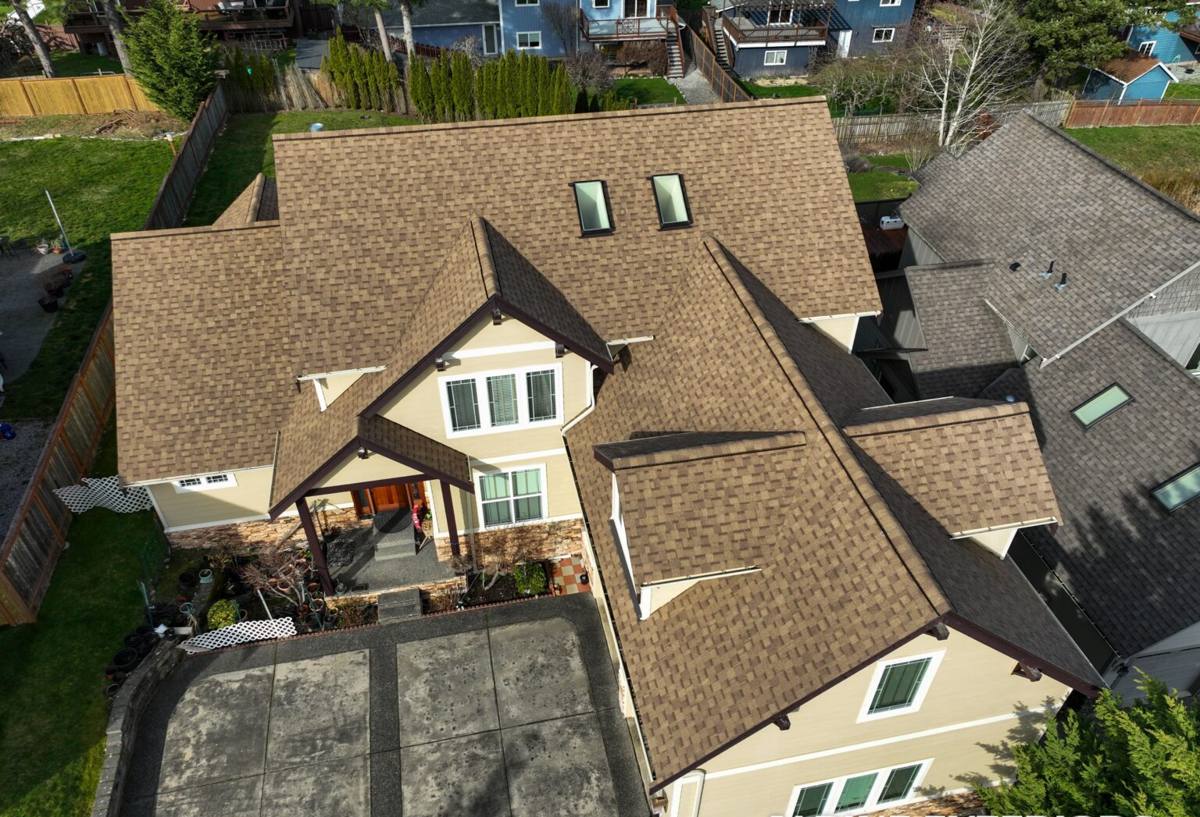
What the Climate Does to a Longboat Key Roof
Salt Air and Corrosion
Airborne salt doesn't just sit on the surface — it works into every metal component on the roof: nails, screws, flashing, vent stacks, and drip edge. Once corrosion starts at a fastener, it loosens its grip on the roof deck, and a loose fastener is exactly where water finds its way in. On a barrier island, corrosion-resistant fastener and flashing choices aren't an upgrade — they're the baseline for a repair that's supposed to hold.
UV Exposure
Florida gets strong, direct sun nearly all year, and a roof facing open water gets it with no tree canopy to soften it. UV breaks down sealants, dries out underlayment, and can make shingles brittle and tile coatings chalky over time. A repair that only addresses the visible crack or missing tile without accounting for UV-aged material around it tends to fail again quickly.
Wind-Driven Rain
Most Longboat Key roof leaks aren't from rain falling straight down — they're from rain being driven sideways and upward under tile edges, ridge caps, and flashing during storms. That means a leak can show up nowhere near where the water actually got in. Chasing wind-driven rain intrusion is one of the more specialized parts of roof repair on the coast, and it's the part most easily done wrong.
Hurricane-Force Wind Loads
Even a roof that never takes a direct hurricane hit sees repeated high-wind events over its life. Wind works fasteners loose, lifts shingle tabs and tile edges, and stresses flashing joints. Damage often accumulates gradually — a little more give at the ridge each season — until a strong storm finally exposes it.
Common Roof Repair Issues We See on Longboat Key
- Cracked, slipped, or missing tiles, often from foot traffic, wind lift, or age-related brittleness
- Corroded or lifted flashing around chimneys, skylights, roof-to-wall transitions, and plumbing vents
- Dried-out or failed sealant at penetrations — the single most common source of small, persistent leaks
- Soffit and fascia rot where water has been overflowing gutters or wicking behind trim for a while
- Torn or lifted shingles at ridges, hips, and eaves after wind events
- Ponding or membrane wear on low-slope sections of condo and multi-family roofs
- Interior staining that shows up far from the actual point of water entry
What a Correct Roof Repair Actually Involves
A roof repair that holds up on Longboat Key involves more than swapping a broken tile or squeezing in a bead of sealant. The steps that separate a durable repair from a temporary one:
Finding the Real Source, Not Just the Symptom
Because wind-driven rain travels under roofing materials before it shows up as a stain, the visible damage and the actual entry point are often in different spots. We trace the path — checking flashing, underlayment condition, and adjacent roofing — before cutting into anything.
Matching Materials, Not Just Color
Tile profile, shingle style, and metal panel spacing all vary by manufacturer and even by production run. A repair that doesn't match the surrounding material properly can create a new weak point at the seam, even if the color looks close.
Rebuilding the Flashing Detail, Not Just the Surface
Most roof leaks trace back to flashing, not the field material itself. A repair that replaces a tile or shingle but leaves compromised flashing underneath is a repair that will leak again — usually in the next season of heavy rain.
Using Fasteners and Sealants Rated for Coastal Exposure
Given how fast standard fasteners corrode this close to the water, we use corrosion-resistant fasteners and sealants suited for coastal, high-UV conditions rather than whatever happens to be the cheapest option on the shelf.
Our Roof Repair Process
- Inspection and diagnosis — We get on or over the roof, trace the leak path, and check the condition of surrounding material, not just the obvious damage.
- Honest scope and estimate — We tell you what's actually needed: a straightforward repair, a more involved section replacement, or, if the roof is past the point where repair makes sense, we'll say so plainly.
- Documentation — We photograph the damage before and after, which is useful if you're filing an insurance claim or need records for an HOA or condo association.
- The repair — Matched materials, corrosion-resistant fasteners, and flashing details rebuilt correctly, not just resealed.
- Cleanup and walk-through — Debris and old material hauled off, and we walk you through exactly what was done.
Repair or Replace? How We Help You Decide
Not every roof problem on Longboat Key needs a full replacement, and not every roof is a good candidate for another round of patching. Here's how we weigh it:
| Factor | Leans Toward Repair | Leans Toward Replacement |
|---|---|---|
| Roof age | Well within expected service life | At or near the end of its expected life for the material |
| Extent of damage | Isolated to one section or a few components | Spread across multiple areas or recurring in the same spots |
| Underlayment condition | Still intact and flexible where exposed | Brittle, torn, or failing in multiple places |
| History of leaks | First occurrence or clearly isolated cause | Repeated leaks in different locations over time |
| Storm damage pattern | Limited to a few tiles, shingles, or flashing points | Widespread lifting, cracking, or fastener failure |
| Typical cost range | Generally a few hundred to a few thousand dollars depending on scope | A larger investment, but resets the clock on the whole roof |
We'll never push a full replacement when a solid repair will genuinely do the job — but we'll also tell you honestly when repeated repairs are just delaying an inevitable, and usually more expensive, replacement.
Roofing Materials on Longboat Key and How Repairs Differ
Tile Roofs
Tile is common on the Key, and it holds up well against UV and salt when it's intact. Repairs usually center on cracked or slipped tiles, worn underlayment beneath the tile field, and flashing at ridges, valleys, and wall transitions. Matching tile profile and color is important — mismatched replacement tiles stand out and can create water-shedding issues at the seams.
Metal Roofs
Metal handles wind well when properly fastened, but coastal salt air accelerates corrosion at fastener heads, panel seams, and cut edges if the wrong hardware was used originally. Repairs often involve replacing corroded fasteners with coastal-rated hardware and resealing seams that have opened up over time.
Asphalt Shingle Roofs
Shingles are more exposed to UV and wind lift than tile, and salt air can shorten their expected service life compared to the same product installed further inland. Repairs typically address wind-lifted tabs, exposed nail heads, and sealant strip failure at edges and ridges.
Permits, HOAs, and Insurance on the Key
Longboat Key has a mix of single-family homes, gated communities, and condo associations, and many of those associations have their own architectural or exterior-work approval process on top of standard building permits. We factor that into scheduling from the start rather than treating it as an afterthought. If your property carries wind mitigation credits or windstorm coverage tied to roof condition, we also make sure our documentation supports whatever your insurer or association needs to see.
Signs Your Longboat Key Roof Needs Repair Now
- Interior ceiling stains, especially ones that appear or grow after a windy rainstorm
- Visibly cracked, slipped, or missing tiles or shingles
- Rust streaks below metal flashing, vents, or fastener heads
- Sealant that's cracked, shrunk, or pulled away from penetrations
- Soft or discolored soffit and fascia boards
- A musty smell in the attic or top-floor closets after rain
- Granule buildup in gutters from aging asphalt shingles
Why It Matters That We Already Work Longboat Key
Working on a barrier island isn't the same as working in a mainland Bradenton or Manatee County neighborhood. Bridge and causeway access affects scheduling and material delivery. Many properties are gated or managed by an association with its own contractor requirements and approval timelines. And a crew that's used to inland conditions can genuinely underestimate how fast salt air and coastal wind exposure age a roof repair that wasn't detailed for it.
We already navigate all of that here — access logistics, association coordination, and repair details built for what the Gulf actually does to a roof, not just what a roof in a typical neighborhood needs. That familiarity is what keeps a repair from becoming a callback six months later.
If you've got a leak, storm damage, or a roof that's just showing its age out here on Longboat Key, we're happy to take a look and give you a straight answer. Fill out the form below for a free, no-pressure estimate — no pushy sales pitch, just an honest read on what your roof actually needs.