 Bradenton Siding
 Windows Built for What Mill Creek Actually Deals With
Mill Creek is an established residential pocket of Bradenton, and like most neighborhoods in Manatee County, it sits squarely in the path of everything Gulf Coast weather can throw at a house. Hurricane-force wind events, months of intense UV exposure, wind-driven rain that finds every gap in a building envelope, and a steady dose of salt air all work on a window year-round, not just during storm season. A window installed correctly for a home in, say, the Midwest will not necessarily hold up here — and a window installed poorly won't hold up here at all, no matter how good the glass is.
This page is about one job, done right, in one area: replacing or installing windows on homes in and around Mill Creek. Not a general overview of window types nationwide — what actually matters for homes dealing with Bradenton's climate, what a correct installation looks like, and what to expect when you hire a crew for it.
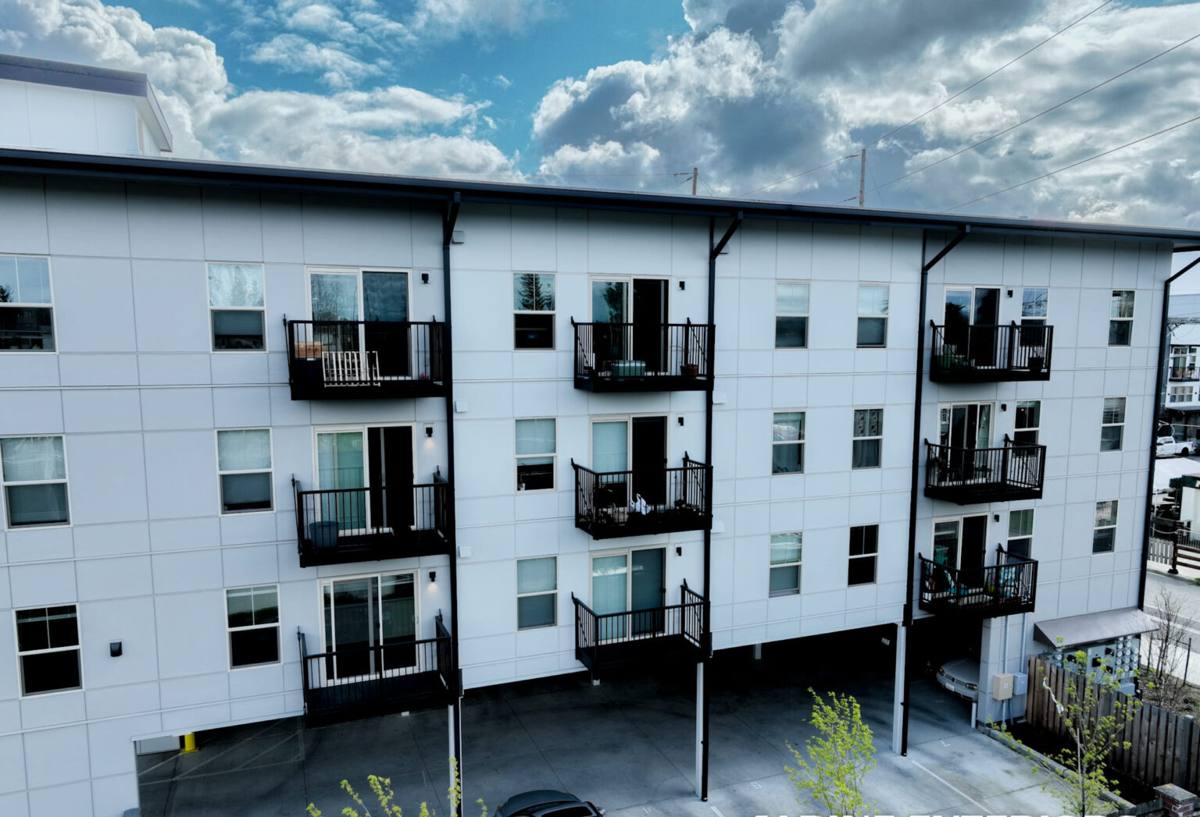
What Bradenton's Climate Does to a Window Over Time
Windows fail for predictable reasons in this part of Florida, and most of them are climate-driven rather than simple age.
UV Breakdown
Florida gets more direct sun exposure across more months than almost anywhere else in the country. UV radiation degrades vinyl frames, dries out and cracks sealants, and can yellow or warp lower-quality materials faster than manufacturers' published lifespans would suggest. Cheaper vinyl and older sealant compounds show this first — chalking, brittleness, and hairline cracking around the frame.
Wind-Driven Rain
Rain in Bradenton rarely falls straight down during a real storm. Wind pushes it sideways and up under trim, and if the flashing and sealant weren't installed correctly the first time, water finds its way behind the frame and into the wall cavity — often long before anyone sees a stain on the drywall. By the time you notice a problem, the damage is usually already inside the wall.
Salt Air Corrosion
Being close enough to the coast for salt air to matter, Mill Creek homes see faster corrosion of window hardware — hinges, locks, cranks, and screws — than homes further inland. Lower-grade fasteners and hardware corrode and seize up years before the glass or frame would otherwise need replacing.
Wind Pressure Cycling
Even without a direct hurricane hit, Manatee County gets repeated tropical storm and high-wind events every season. Each one flexes a window in its opening. Over years, that repeated pressure cycling is what separates a properly fastened, properly flashed window from one that starts leaking, rattling, or failing at the frame.
What a Correct Window Installation Actually Involves
A window installation is judged almost entirely on what you can't see once it's done. The glass and frame matter, but the installation determines whether the window performs for fifteen years or starts causing problems in three.
Flashing and Water Management
Before a window ever goes into the opening, the rough opening needs to be properly prepped and flashed so that any water that gets past the frame or sealant has a way to drain back out rather than pooling against the sheathing. This is the single most common shortcut taken on rushed installs, and it's also the one that causes the most expensive damage later — because the failure happens inside the wall, out of sight.
Fastening and Structural Attachment
In a hurricane-exposed area, how a window is fastened to the structure is not optional detail — it's what determines whether the window stays in the opening during a high-wind event. Fastener type, spacing, and embedment into structural framing (not just trim or stucco) all need to match the window's tested and labeled installation instructions and current Florida Building Code requirements for the wind zone.
Shimming and Squaring
A window that isn't shimmed level, plumb, and square will bind, won't seal evenly, and will put uneven stress on the frame every time it's opened, closed, or flexed by wind. This is a slow, deliberate part of the job — not something that should be rushed to move to the next window.
Sealant — Backup, Not the Primary Defense
Sealant is the last line of defense against water intrusion, not the first. A window that relies on a bead of caulk to do the job flashing should have done will eventually leak, usually after the sealant ages and cracks under UV exposure. Correct installation treats sealant as a supplement to proper flashing and weep-path design, not a substitute for it.
Choosing the Right Windows for a Mill Creek Home
There's no single "best" window — the right choice depends on the home's age, exposure, budget, and how the current windows are performing. Here's a general comparison of the main paths homeowners in this area weigh:
| Option | Wind/Impact Performance | Maintenance | Typical Fit |
|---|---|---|---|
| Impact-rated windows (laminated glass) | Built and tested to resist wind-borne debris; no shutters needed | Low — no separate storm prep required | Homes wanting permanent protection without storm-day setup |
| Non-impact windows + separate storm shutters/panels | Protection only when shutters are deployed | Higher — requires storage, installation each storm | Budget-conscious homeowners willing to manage shutters |
| Standard vinyl replacement (non-impact, no shutters) | Meets basic code for non-wind-borne-debris zones only, if applicable | Moderate | Interior or non-exposed openings where code allows |
| Aluminum-frame impact windows | High strength-to-frame-size ratio, holds larger spans well | Low, but frame can conduct more heat than vinyl | Larger openings, pool enclosures, or where slimmer sightlines matter |
Every window installed in a wind-borne debris zone needs a Design Pressure (DP) rating and, where applicable, impact rating appropriate to its wall location and height on the structure — this isn't a marketing spec, it's tied directly to Florida Building Code and to what your permit will require. We size and specify windows to the opening and the code requirement, not just to what looks good in a showroom.
Our Window Installation Process
- On-site inspection and measurement. We check the existing openings, look for rot, moisture damage, or structural issues that need to be addressed before new windows go in, and take precise measurements — no standard sizing assumptions.
- Product selection and permitting. We help you choose windows that meet the DP and impact requirements for your specific home and pull the required Manatee County/City of Bradenton permit before work starts.
- Careful removal of existing windows. Old frames come out without unnecessary damage to surrounding stucco, siding, or interior trim.
- Opening prep and flashing. Any damaged sheathing or framing is repaired, and the opening is flashed correctly for drainage before the new window ever goes in.
- Setting, shimming, and squaring. Each window is leveled, plumbed, and squared before it's fastened — not just tilted into place and screwed down.
- Fastening to code. Fasteners, spacing, and embedment follow the manufacturer's tested installation instructions and current wind-zone code requirements.
- Sealing and weatherproofing. Sealant is applied as the final, backup layer of water management — not the only one.
- Interior and exterior trim-out. Trim, casing, and finish work are completed to match the home.
- Final walkthrough and inspection sign-off. We walk the job with you and make sure it passes the required inspection before we consider it done.
What Affects the Cost of Window Installation
Every home and every job is different, but these are the main variables that move the price up or down:
| Factor | Why It Matters |
|---|---|
| Impact vs. non-impact glass | Impact-rated laminated glass costs more per window but removes the need for shutters or panels |
| Number of windows | Whole-home replacements typically bring a better per-window cost than one-off replacements |
| Window size and style | Large openings, sliders, and custom shapes cost more than standard single/double-hung sizes |
| Frame material | Vinyl, aluminum, and composite frames carry different material and labor costs |
| Structural or water damage found during removal | Rotted sheathing or framing behind old windows has to be repaired before new ones go in |
| Permitting and engineering | Larger openings or structural changes may require engineering review, which adds to permit cost |
We give straightforward, itemized estimates so you know exactly what's driving the number — no vague lump sums.
Signs Your Windows Need Attention
- Fogging or moisture trapped between panes of double-pane glass
- Windows that stick, won't stay open, or are hard to lock
- Noticeable drafts or temperature difference near the window
- Soft, discolored, or bubbling frame material, especially at the bottom corners
- Visible corrosion on hardware, hinges, or cranks
- Rising cooling bills without a clear other cause
- Condensation or staining on interior trim or drywall near the window after rain
- Windows original to a home built before current impact-glass code requirements took effect
Why It Matters to Hire a Crew That Already Works in Mill Creek
Window installation isn't a one-size-fits-all job, and a crew that regularly works in this part of Bradenton already understands the practical realities of the area — the mix of home ages and construction types common to established Manatee County neighborhoods, what the local permitting and inspection process actually requires, and how to sequence work around Florida's storm season so a home isn't left with open, unprotected wall cavities during an active weather window. That familiarity shows up in fewer surprises, faster permit turnaround, and an installation that's built for what this specific coastal climate does to a house — not a generic installation done the same way it would be in a dry, inland climate.
If you're weighing whether it's time to replace aging windows, dealing with a leak you can't source, or just want a straight answer on what a correct installation should cost for your Mill Creek home, we're happy to take a look. Reach out for a free, no-pressure estimate using the form below.