 Bradenton Siding
 Siding That Has to Work as Hard as Mill Creek's Weather Does
Mill Creek sits inland from the immediate coastline, but that doesn't spare it from what Manatee County's climate does to an exterior wall year after year. Hurricane-force wind events, sun that stays intense for most of the calendar, rain that gets driven sideways into siding joints instead of falling straight down, and salt-laden air drifting in from the Gulf all add up to more stress on a home's exterior than the same siding product would face across most of the country. A siding job installed to a generic, one-size-fits-all standard doesn't hold up the same way here as one that's actually built around what this specific area puts a house through.
This page is about siding installation for Mill Creek homes specifically — what the local climate demands, what a correctly installed job actually involves, and why it matters to hire a crew that already understands the conditions on this side of Bradenton rather than one learning them on your house.
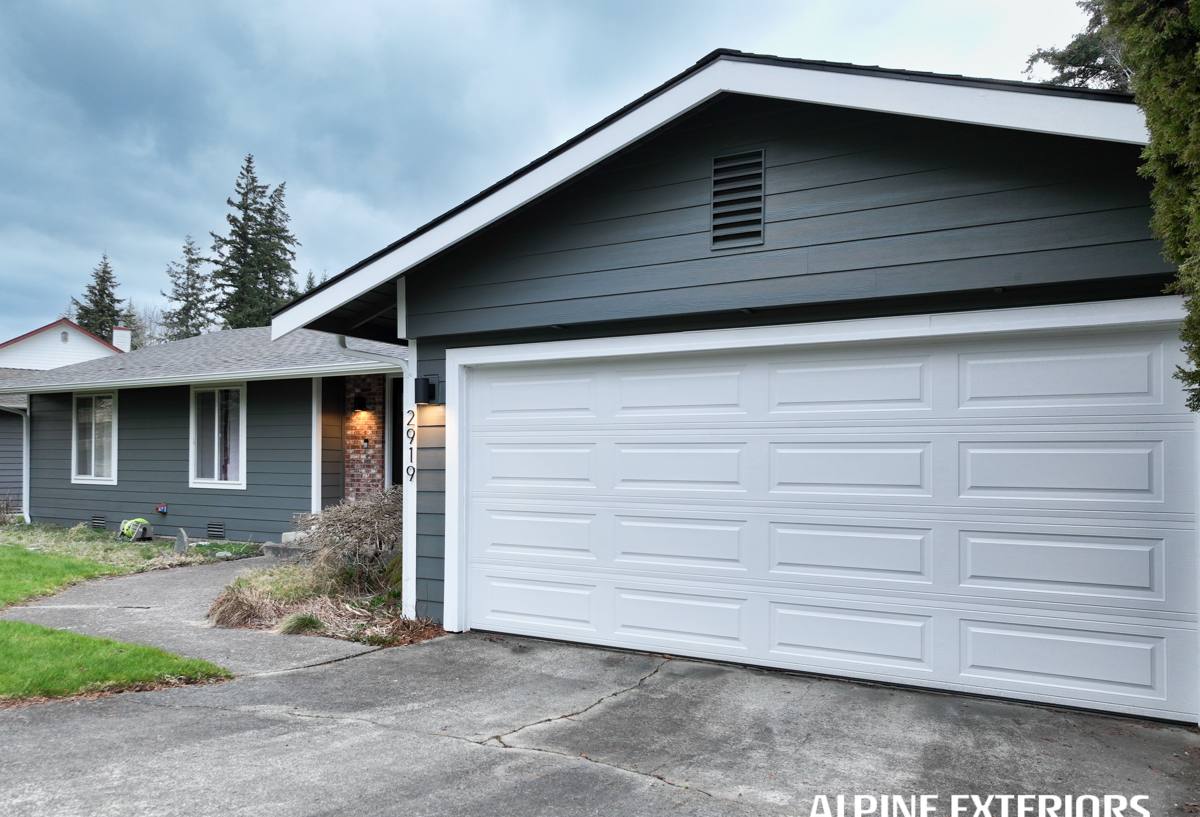
What Bradenton's Climate Actually Does to Siding
None of the four conditions below is unusual on its own. What makes Manatee County demanding on an exterior wall is that a home here deals with all four, most years, for the life of the siding.
Hurricane-Force Wind
Wind load is a real design condition in this part of Florida, not a rare event to plan around loosely. Siding that isn't fastened, lapped, and clearanced correctly can lift, crack, or pull loose under sustained wind pressure, and a single compromised section during a storm often becomes the point where water gets behind the wall assembly. Wind resistance on a siding job comes down to fastening pattern and installation discipline as much as it does to the product itself.
Wind-Driven Rain
Storms here rarely deliver rain straight down. Wind pushes it sideways and upward into laps, trim joints, and penetrations around windows and doors — spots that a calmer climate's installation guidance doesn't test nearly as hard. A siding system depends on correct lap sequencing, flashing, and a functioning drainage plane behind the surface to keep that water moving out instead of settling into the wall.
Intense, Year-Round UV
Florida's sun load is among the highest in the country, and it doesn't really let up by season the way it does farther north. UV breaks down unprotected finishes, fades color, and stresses caulked joints and sealants faster here than in a milder climate. A factory-applied finish holds up to that exposure very differently than a field-applied paint job does.
Salt Air
Bradenton's proximity to the Gulf and Tampa Bay means salt-laden air reaches well past the immediate waterfront, including inland communities like Mill Creek. Salt accelerates corrosion in fasteners, trim hardware, and any exposed metal, and it settles onto surfaces continuously rather than only during storms. Fastener grade and finish quality matter more here than they would in a drier, inland market.
What a Correct Siding Installation Involves in This Climate
The siding material gets most of the attention in a sales conversation, but the installation details are what actually decide whether a job holds up through Bradenton's storm seasons or starts showing problems within a few years. A correct install for this area includes:
- A water-resistive barrier installed and lapped correctly behind the siding, giving any moisture that gets past the surface somewhere to drain instead of sitting against the sheathing
- Manufacturer-specified clearances from grade, roofline, and any deck or patio surface, keeping splash-back and standing moisture away from board edges
- Correct fastener type, spacing, and depth for the specific product and this wind zone — under-fastening and over-driving are both common shortcuts that cause problems later
- Proper flashing at every window, door, and penetration, sequenced so wind-driven rain is directed away from seams rather than trapped behind them
- Factory-finished edges used wherever possible, with any field cuts sealed to the manufacturer's spec so raw, unprotected material isn't left exposed
- Lap and joint sequencing that accounts for wind uplift, not just gravity drainage
- A final inspection that checks fastening, flashing, and joint sealing before the job is called complete, not just how the finished wall looks from the street
Skipping any one of these rarely causes a visible problem on day one. It shows up a few storm seasons later, as a lifted panel, a stained wall where water has been tracking behind a joint, or trim that's started to separate.
Why James Hardie Fiber Cement Is the Only Product We Install
We install James Hardie fiber cement siding and nothing else — not vinyl, not LP SmartSide or other engineered wood products, not primed spruce or cedar. That's a deliberate standard, not a limited product line we're stuck with. Vinyl softens and can distort under sustained heat exposure and depends on lapped joints that aren't built to shed wind-driven rain the way this area regularly delivers it. Engineered wood siding performs fine as long as its factory coating and every field-cut edge stay fully sealed indefinitely, which is a lot of ongoing maintenance to depend on in a climate this wet and sunny. Cedar and primed spruce are genuine, attractive materials, but they're organic and combustible, and they need a consistent paint or stain schedule to hold up against Florida's UV and humidity.
Fiber cement is inorganic — a cured blend of Portland cement, sand, and cellulose fiber — so it doesn't have a wood-based core that absorbs water, swells, or feeds insects, and it's non-combustible. James Hardie also engineers its siding by climate zone. The HZ10 product line is built specifically for hot, humid, high-UV regions like the Gulf Coast, which fits Bradenton's conditions far better than a product engineered primarily for a cold or dry climate. On top of that, Hardie's ColorPlus finish is baked on in multiple coats at the factory rather than applied on site, and it's backed by its own finish warranty on top of the substrate warranty — both transferable if you sell the home before the coverage period ends.
Our Installation Process, Start to Finish
- On-site assessment — we look at the existing wall assembly, note any moisture or sheathing damage, and measure the home for material takeoff
- Honest product and color walkthrough — we talk through Hardie's HZ10 lines and ColorPlus finish options against your home's exposure and your budget
- Tear-off and substrate check — old siding comes off, and any rotted sheathing or framing found underneath gets addressed before new material goes up, not covered over
- Water-resistive barrier installation — a correctly lapped drainage plane goes on before a single piece of siding does
- Flashing at every opening — windows, doors, and penetrations get flashed to direct wind-driven rain away from the wall assembly
- Siding installation — boards or panels are hung, fastened, and lapped to manufacturer spec and this wind zone's requirements
- Trim, caulking, and finish detail — edges are sealed, trim is integrated cleanly, and the job gets a final walkthrough before we call it done
Siding Installation Cost Factors
| Factor | How It Affects the Job |
|---|---|
| Home size and wall complexity | More square footage and more corners, gables, or dormers mean more material and labor |
| Condition of existing sheathing | Rotted or water-damaged sheathing found during tear-off has to be repaired before new siding goes on |
| Siding profile and texture | Lap, shingle, and board-and-batten profiles differ in material cost and installation time |
| Trim and detail work | Window and door trim, corner boards, and fascia detailing add labor beyond the flat wall area |
| Access and site conditions | Two-story walls, tight lot lines, or landscaping close to the house can slow installation |
| Color and finish selection | Custom ColorPlus tones and specialty textures can carry different pricing than standard stock colors |
We won't quote a number without seeing the house in person, since sheathing condition alone can shift a job significantly once tear-off starts. What we will do is walk through which of these factors actually apply to your home before you commit to anything.
Signs a Mill Creek Home May Need New Siding
- Visible cracking, buckling, or panels that have started to pull away from the wall
- Soft spots or give when you press on the siding, which can point to moisture damage underneath
- Persistent staining or streaking that doesn't clean off, especially near seams or trim
- Paint or finish that's chalking, peeling, or fading unevenly across the wall
- Rising energy bills that can't be explained by anything else, sometimes tied to a compromised exterior wall
- Visible gaps at trim, corners, or window and door surrounds
Why a Crew That Already Works Mill Creek Matters
Manufacturer installation guidance is written for average conditions, and Bradenton's combination of hurricane wind exposure, near-constant UV, wind-driven rain, and salt air doesn't fit that average. A crew that installs siding across Manatee County regularly knows which parts of the manufacturer spec aren't optional here — fastening pattern for this wind zone, flashing sequence for storms that push rain sideways instead of straight down, clearance details that keep boards from sitting in standing moisture after a heavy rain event.
That familiarity also shows up in the parts of the job that don't come up in a sales pitch: how a wall assembly should be built out on an older Mill Creek home versus a newer one, which trim and joint details actually hold up to Gulf Coast sun over years rather than months, and being straightforward with you about what your home's exterior actually needs instead of what's easiest to sell. Those are the decisions that determine whether a siding job is still performing cleanly a decade or two from now, or showing problems within the first few storm seasons.
If you're weighing a siding replacement for a Mill Creek home, or just want a straight read on the condition of what's on your walls now, we're glad to take a look. We offer free, no-pressure estimates for siding installation in Mill Creek and the surrounding Bradenton area — use the form below to get a time on the schedule.