 Bradenton Siding
 Asphalt Shingle Roofing for Mill Creek Homes
Mill Creek sits inland from Bradenton's coastline, but that doesn't mean the roof over your head gets an easier ride than homes closer to the water. Manatee County as a whole sits in a hurricane corridor, and every roof in the area — Mill Creek included — has to stand up to tropical-storm-force wind gusts, months of intense subtropical sun, and heavy, wind-driven rain that finds any weak seam in a roofing system. Asphalt shingles remain one of the most practical roofing choices for this climate when they're specified and installed correctly, but "correctly" is doing a lot of work in that sentence. A shingle roof that was installed for a mild climate, or installed in a hurry, tends to show its age fast here.
This page covers what asphalt shingle roofing actually needs to hold up in Mill Creek, what a proper installation involves, and how our process works when we replace or repair a shingle roof in this neighborhood.
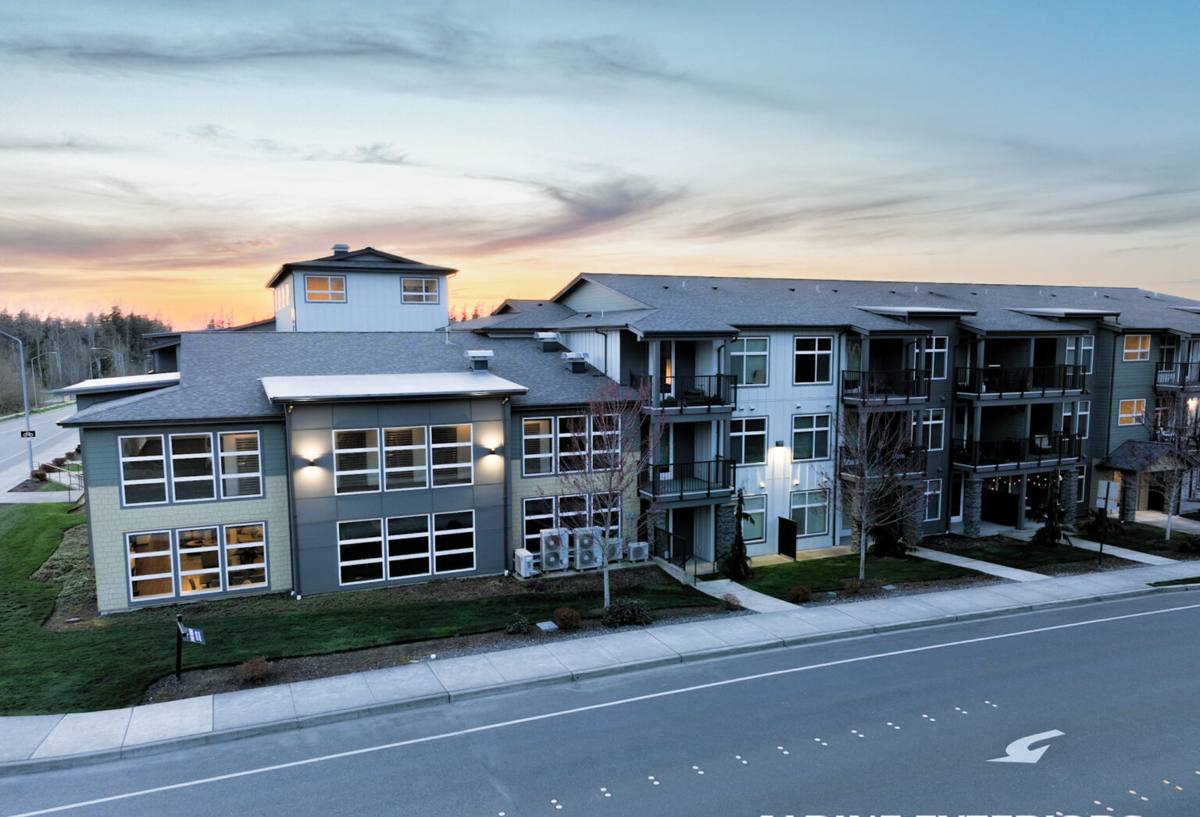
What Bradenton's Climate Actually Does to a Shingle Roof
Wind
Every few years, Manatee County sees tropical storm or hurricane conditions, and even routine summer storms can produce gusts strong enough to lift poorly fastened shingles. Wind doesn't just attack the field of the roof — it concentrates at ridges, hips, rakes, and eaves, which is exactly where cut corners on nailing and flashing show up first.
UV exposure
Florida sun is intense and nearly year-round. UV breaks down the asphalt in shingles over time, drying out the mat and causing granule loss. A shingle rated for a northern climate's average sun exposure will age faster here than the manufacturer's published lifespan suggests, which is why product selection matters as much as installation quality.
Wind-driven rain
Straight-down rain is rarely the problem. Rain that's being pushed sideways by wind finds its way under shingle tabs, around vents, and into any flashing detail that wasn't sealed with that scenario in mind. Underlayment and flashing choices matter more here than in drier, calmer climates.
Humidity and salt-influenced air
Even set back from the coast, Manatee County's air carries more moisture and salt content than inland regions of the country. That accelerates corrosion on exposed fasteners, vents, and flashing metal, and it keeps roof decking and underlayment under more sustained moisture pressure than a dry-climate roof ever experiences.
What a Correct Asphalt Shingle Installation Requires Here
A shingle roof is a system, not just a layer of shingles nailed to plywood. In a wind- and rain-exposed area like Mill Creek, every layer of that system needs to be right.
- Sound decking: Soft, delaminated, or water-damaged plywood or OSB has to be replaced before anything goes over it — shingles can't compensate for a weak deck.
- Wind-rated underlayment: A synthetic or self-adhering underlayment provides the roof's real waterproofing layer and its secondary line of defense if wind ever lifts shingles.
- Sealed valleys and flashing: Valleys, wall step flashing, pipe boots, and skylight curbs are the most common leak points on any shingle roof, and they need to be detailed for wind-driven rain, not just gravity drainage.
- Proper nailing pattern: Florida Building Code specifies fastener count and placement for a reason — under-nailing is one of the most common causes of wind-related shingle loss, and it's invisible until the wind actually tests it.
- Starter strip at eaves and rakes: This detail resists wind uplift at the roof's most vulnerable edges and is frequently skipped or done poorly on rushed jobs.
- Balanced attic ventilation: Intake and exhaust ventilation keep attic temperatures and moisture in check, which protects both the shingles from underneath and the decking from trapped humidity.
Choosing the Right Shingle for a Mill Creek Roof
Not every asphalt shingle product is a good fit for this climate. We steer homeowners toward shingles with a high wind rating and, where it fits the budget, a Class 3 or Class 4 impact rating, because both directly address the two things that damage roofs here most: wind uplift and wind-blown debris impact during storms. We also weigh color and granule quality, since lighter, reflective granules reduce heat absorption and slow down UV-driven aging — a real consideration under Florida sun, not just a cosmetic one.
We're candid with homeowners about trade-offs. Lower-tier shingles cost less up front but carry lighter wind ratings and shorter realistic service life in this climate; premium architectural shingles cost more but hold up better and typically carry stronger manufacturer wind warranties. There's no universally "right" answer — it depends on how long you plan to be in the home and what your budget supports — but we'll walk you through it honestly rather than upselling for its own sake.
Our Process for a Mill Creek Roof
- On-site inspection: We assess the current roof's condition, decking, ventilation, and flashing details, and identify anything hidden (soft decking, prior repair shortcuts) before quoting.
- Full tear-off when warranted: Recovering over old shingles can hide deck problems and often isn't the right long-term move for a wind-exposed home. We'll tell you plainly if a tear-off is the right call rather than the cheaper one.
- Deck repair: Any damaged sheathing gets replaced before underlayment goes down — this step gets skipped on rushed jobs, and it's the single biggest determinant of how the roof performs in a storm.
- Underlayment and flashing: Installed to current code standards, with extra attention to valleys, penetrations, and wall transitions.
- Shingle installation: Following manufacturer specs and Florida Building Code nailing requirements, with starter strip and ridge detailing done properly, not shortcut.
- Ventilation check: We confirm intake and exhaust venting are balanced for the attic space, adding or correcting vents where needed.
- Final walk-through and cleanup: Magnetic sweep for debris, gutter check, and a walk-through so you understand exactly what was done and what to expect from the roof going forward.
Cost Factors for Shingle Roofing in Mill Creek
Every roof is different, so we don't quote sight-unseen — but these are the factors that most often move the price up or down on a shingle roofing project in this area:
| Factor | Why It Matters |
|---|---|
| Roof size and pitch | More square footage and steeper pitches mean more material and labor time |
| Number of existing layers | Tearing off multiple old layers costs more than a single-layer tear-off |
| Decking condition | Rotted or water-damaged sheathing requires replacement before shingles go on |
| Shingle tier | Standard 3-tab vs. architectural vs. impact-rated products carry different material costs |
| Roof complexity | Valleys, dormers, skylights, and multiple planes add labor and flashing detail |
| Ventilation upgrades | Adding or correcting ridge/soffit venting is sometimes needed to meet code or protect the deck |
| Permitting | Manatee County permit and inspection requirements are part of any legitimate reroof |
Why the Local Crew Matters
A roofing crew that regularly works in Mill Creek and the surrounding Bradenton area knows the county's permitting and inspection process, knows how local wind and rain patterns actually behave, and isn't guessing at what "wind-rated" needs to mean in practice. That familiarity translates into fewer surprises during the permit process, fewer callbacks for missed details, and a roof that's built for the storms this area actually sees rather than a generic national average. It also means a faster response if a storm does cause damage and you need someone who already knows your roof and your neighborhood, not a crew that has to start from zero.
What to Expect From a Well-Installed Shingle Roof Here
With the right product and correct installation, an asphalt shingle roof in this climate can reasonably be expected to perform well for a couple of decades, though UV exposure and storm activity mean the upper end of manufacturer lifespan estimates is less realistic here than in milder climates. Regular attic ventilation checks, prompt attention to any granule loss or lifted shingles after a storm, and keeping valleys and flashing clear of debris all extend that lifespan. We're happy to do periodic post-storm inspections for homeowners who want that peace of mind rather than waiting for a leak to show up inside the house.
Checklist: What a Legitimate Shingle Roofing Job Should Include
- Full written inspection findings, including deck condition, before any tear-off begins
- Manatee County permit pulled and inspections scheduled — not skipped
- Underlayment and flashing spec'd for wind-driven rain, not just standard coverage
- Nailing pattern that meets Florida Building Code wind requirements for your area
- Balanced attic ventilation confirmed or corrected
- Manufacturer warranty registration completed on your behalf
- Written scope of work and materials list before any deposit changes hands
If your Mill Creek roof is due for a replacement or you're not sure whether a repair will actually hold through the next storm season, we're glad to take a look. The estimate is free, there's no pressure, and you'll get a straight answer about what your roof actually needs — use the form below to get started.