 Bradenton Siding
 Board & Batten Siding in Mill Creek: What Local Homes Actually Need
Board and batten has become one of the most requested siding styles for homes in and around Mill Creek — the vertical panel-and-strip look reads clean and modern on newer construction, and it also works well as an accent on gables, porches, and additions for older homes that want a refresh without a full exterior overhaul. But the look is only half the story. In Manatee County, siding doesn't just have to look good — it has to survive a coastal climate that is genuinely hard on exterior building materials. This page covers what board and batten siding needs to hold up in Mill Creek specifically, what a correctly installed system looks like, and why we install it in exactly one material: James Hardie fiber cement.
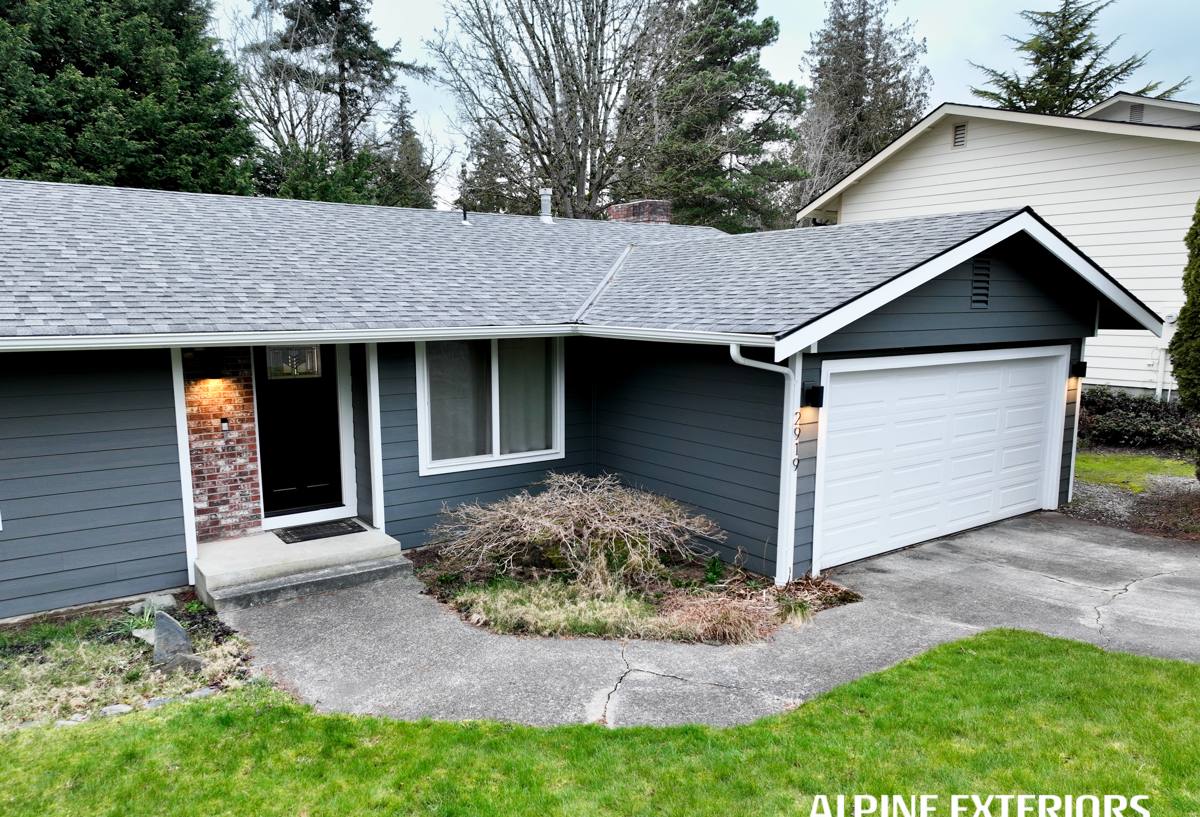
What Bradenton's Climate Does to Board & Batten Siding
Vertical siding styles like board and batten have more seams and more exposed fastener lines than horizontal lap siding, which means the material and the installation both have to work harder in this climate. Four factors matter most for Mill Creek homes:
Hurricane-Force Wind Loads
Manatee County sits in a wind zone where siding has to resist sustained high winds and storm gusts, not just steady breezes. Board and batten's vertical battens create more edges that wind can catch under if the fastening pattern is wrong or if panels aren't nailed to manufacturer spec. A siding system rated and installed for these wind loads is not optional here — it's the baseline.
Intense, Year-Round UV
Florida sun doesn't take a season off. UV exposure breaks down pigments and surface coatings over years of daily exposure, which is why so many painted or stained board and batten installs in this area start chalking, fading, or showing uneven color within a handful of years — long before the underlying board has actually failed.
Wind-Driven Rain
Storms here rarely fall straight down. Wind-driven rain gets pushed sideways and upward into seams, laps, and butt joints — exactly the kind of joints board and batten has more of than lap siding. Every seam, corner, and penetration on a board and batten wall has to be flashed and sealed correctly, or water finds its way behind the cladding.
Salt Air
Mill Creek's proximity to the Bradenton area's waterways and the Gulf means airborne salt is a constant, low-level presence, even well inland from the beach. Salt accelerates corrosion in fasteners and metal flashing and speeds up the breakdown of materials not engineered to resist it. Over time, this is one of the biggest differentiators between siding that lasts and siding that doesn't in this region.
What a Correct Board & Batten Installation Actually Involves
Board and batten looks simple — vertical panels with strips covering the seams — but the details underneath determine whether it lasts fifteen years or fifty. A correct install includes:
- A properly detailed water-resistive barrier (house wrap) behind the panels, lapped and taped at every seam
- Correct fastener type, spacing, and penetration depth per the manufacturer's published installation instructions — not "close enough"
- Flashing at every horizontal joint, window and door head, and roof-to-wall transition
- Proper clearance between the bottom of the siding and grade, decks, and roof lines to keep splashback and standing water away from the panel edge
- Batten strips fastened independently of the underlying panel field, per spec, so the assembly can handle thermal movement without splitting caulk lines
- Sealed, caulked joints at panel butts and around every penetration — not left exposed to wind-driven rain
Skipping any one of these doesn't usually cause a visible problem on day one. It shows up two, five, or ten years later as a soft spot behind a batten, a stained seam, or a section that has to be torn off and redone — the kind of failure that costs far more to fix than it would have cost to do correctly the first time.
Why We Only Install James Hardie for Board & Batten
We install James Hardie fiber cement exclusively, and board and batten is one of the clearest cases for why. Hardie's vertical siding system — HardiePanel used with batten strips, or Artisan and Board & Batten product lines depending on the look — is engineered specifically for this application, not adapted from a horizontal product.
A few reasons this matters in Mill Creek:
- Non-combustible material. Fiber cement doesn't burn, warp, or feed a fire the way wood-based products can.
- Moisture-resistant by composition. Fiber cement doesn't absorb and swell the way engineered wood products can when a seal fails, which matters given how many seams board and batten has.
- Climate-engineered product lines. Hardie's HZ10 formulation is built for exactly the hot, humid, storm-exposed climate Bradenton sits in, addressing moisture and UV behavior specific to this region rather than a one-size-fits-all national spec.
- ColorPlus factory finish. A baked-on, UV-cured finish holds color far better under constant Florida sun than field-applied paint, and it comes backed by its own finish warranty separate from the substrate warranty.
- A real, transferable warranty on both the panel and the factory finish — backed by installation to Hardie's published specifications, which is exactly the install standard described above.
We don't install LP SmartSide, vinyl board and batten, Cemplank, Allura, or unfinished cedar or spruce board and batten. Each of those has situations where it can make sense for somebody, somewhere — but for the wind, UV, rain, and salt exposure Mill Creek homes deal with year-round, we've standardized on the one material system that consistently holds up without asking homeowners to gamble on maintenance and moisture behavior down the road.
Board & Batten Material Comparison for This Climate
| Material | UV / Fade Resistance | Moisture Behavior | Wind Rating Track Record | Typical Maintenance |
|---|---|---|---|---|
| James Hardie fiber cement (ColorPlus) | Strong — factory-cured finish | Resists swelling; engineered for humid climates | Engineered and tested for high-wind installation | Occasional wash; no repainting for finish life |
| Vinyl board and batten | Fades and can become brittle under long-term UV | Doesn't absorb water, but can warp/buckle in heat | Lower impact resistance; can crack in storms | Low, but replacement of damaged sections is common |
| Engineered wood (LP-type) | Moderate — coating dependent | Vulnerable to swelling if seals fail | Adequate when installed to spec | Repainting/recaulking on a maintenance schedule |
| Unfinished cedar / spruce | Weathers and grays without regular refinishing | Prone to moisture absorption, rot, insect issues | Variable; installation-dependent | Frequent staining/sealing required |
Our Process for Mill Creek Board & Batten Projects
Every job starts the same way, regardless of how straightforward it looks:
1. On-Site Assessment
We look at the existing wall assembly, current siding condition, any moisture damage already present, and the specific exposures your home faces — sun orientation, wind exposure, proximity to water or heavy landscaping that holds humidity against the wall.
2. Product & Layout Plan
We spec the correct Hardie board and batten product and reveal/spacing pattern for the look you want, and plan flashing details around every window, door, and roofline transition before a single panel goes up.
3. Prep and Weather Barrier
Old siding comes off, the substrate gets inspected and repaired if needed, and a new water-resistive barrier goes on with every seam properly lapped and taped — this layer does as much long-term work as the visible siding does.
4. Installation to Manufacturer Spec
Panels and battens go up with correct fastener spacing, penetration, and clearances, following James Hardie's published instructions — the same standard that keeps your product warranty valid.
5. Final Detail and Walkthrough
Caulking, touch-up, and a walkthrough so you know exactly what was done and what to expect from the finish going forward.
What to Check When Hiring a Board & Batten Contractor in Mill Creek
- Do they install to James Hardie's actual published specifications, not a generalized approach?
- Do they carry proper licensing and insurance for exterior work in Manatee County?
- Will they explain their flashing and weather barrier plan before starting, not just the visible finish?
- Do they understand local wind zone requirements and build to them, not just to code minimums elsewhere?
- Do they offer a warranty that's actually backed by correct installation, in writing?
- Have they worked in this specific area and dealt with the salt air, humidity, and storm exposure Mill Creek homes face?
What to Expect After Installation
Correctly installed Hardie board and batten is low-maintenance, not no-maintenance. Plan on an occasional rinse to keep salt residue and pollen from building up on the surface, a visual check after major storms for any impact damage or lifted caulking, and keeping gutters and downspouts clear so water isn't running down the wall face unnecessarily. Because the ColorPlus finish is factory-applied and warrantied, you're not on a repainting schedule the way you would be with field-finished materials — that's one of the practical, ongoing advantages of the system over the life of the siding.
Why Local Experience Matters
A crew that already understands Mill Creek's specific mix of coastal humidity, sun exposure, and storm risk builds differently than a crew working from a generic checklist. That local knowledge shows up in small decisions — flashing details around a shaded north wall versus a sun-baked west wall, fastener choices that account for salt air, sequencing that respects Florida's rainy season — and those small decisions are exactly what separates board and batten siding that looks right for a season from siding that holds up for decades.
If you're considering board and batten siding for a home in Mill Creek, we're happy to walk the property, talk through what your home's specific exposure calls for, and give you a straightforward, no-pressure estimate using the form below.