 Bradenton Siding
 Why Mill Creek Homes Feel Bradenton's Climate at the Windows First
Mill Creek sits inland enough to avoid direct beachfront exposure, but it still gets the full package of what Manatee County weather throws at a house every year: long stretches of intense UV, wind-driven rain that finds every gap in an old frame, and salt-laden air that drifts in off the Gulf and works on metal and hardware over time. Add in the real chance of hurricane-force wind gusts during storm season, and windows here are doing a job that windows in most other parts of the country never have to do.
Older single-pane or early dual-pane windows in this neighborhood weren't built for that combination. They were built for a milder climate assumption, and it shows up as high summer cooling bills, fading floors and furniture, foggy glass, and frames that stick, rattle, or let in water during a hard rain. Energy-efficient windows done right address all of that at once — they're not just about the electric bill, they're about the window surviving Bradenton's weather without becoming a maintenance headache.
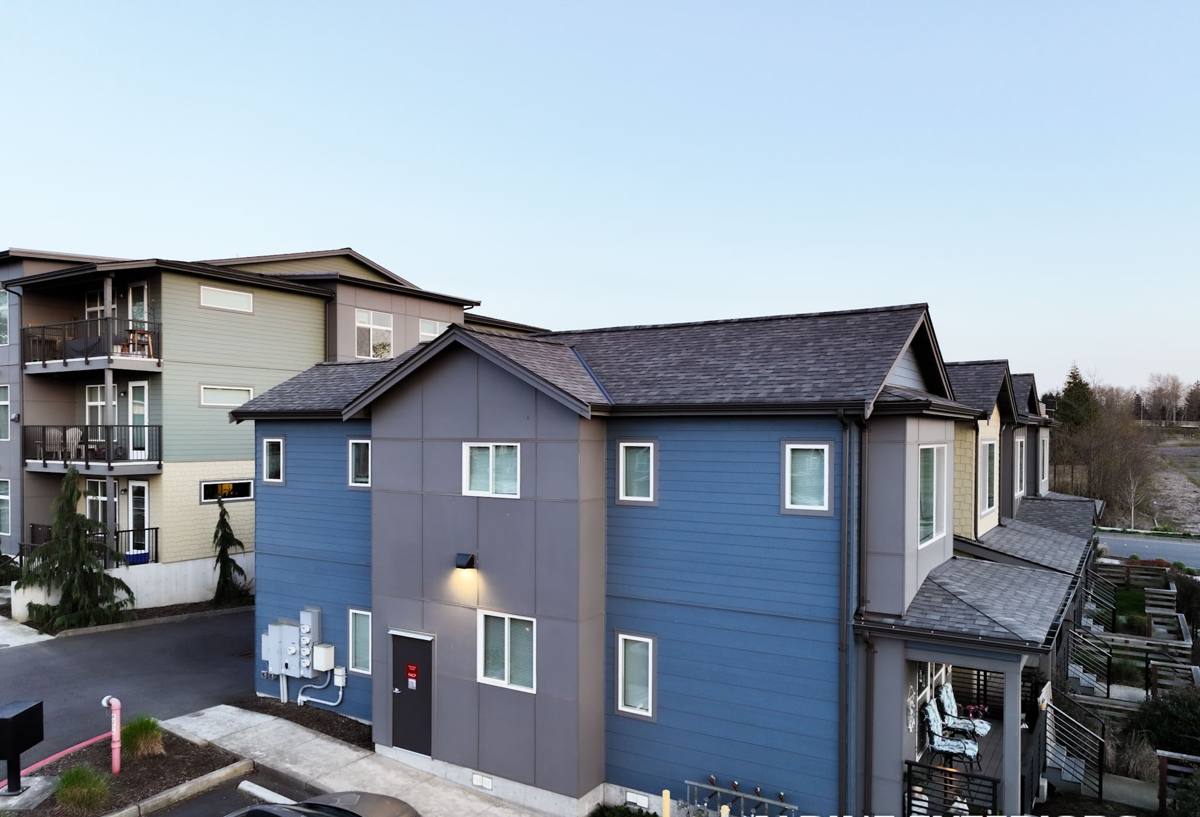
What "Energy-Efficient" Actually Means for a Manatee County Home
The term gets used loosely in this industry, so it's worth being specific about what actually matters for a home in this part of Florida.
Impact-Rated Glass Isn't Optional Near the Gulf
Manatee County falls within Florida's Wind-Borne Debris Region under the Florida Building Code, which means new and replacement windows generally need to either meet impact-resistance standards or be paired with approved storm protection. Impact-rated glass — typically a laminated layer bonded between two panes — does double duty: it resists wind-driven debris in a storm, and that same laminated construction cuts down noise and blocks a meaningful amount of UV transmission the rest of the year. For most Mill Creek homeowners, impact-rated glass is the more practical long-term choice over separate shutters, since it's protecting the house every single day, not just during a named storm.
Low-E Coatings and Gas Fills
Low-emissivity (Low-E) coatings are a microscopically thin layer on the glass that reflects infrared heat while still letting visible light through. In a climate where the sun is intense nearly year-round, that coating is doing real work — it's the difference between a west-facing room that's uncomfortable by 3pm and one that stays livable. Dual-pane units with an inert gas fill (usually argon) between the panes add another layer of insulation, which matters both for keeping cooled air in during summer and for the occasional cold snap in winter.
Reading the Label: U-Factor and SHGC
Every legitimate window comes with an NFRC (National Fenestration Rating Council) label listing a U-factor and a Solar Heat Gain Coefficient (SHGC). U-factor measures how well the window resists heat transfer — lower is better. SHGC measures how much solar heat passes through the glass, and in a hot, sun-heavy climate like Bradenton's, you generally want that number low, since the goal is blocking heat gain, not capturing it the way a colder-climate home would. Don't take a salesperson's word for these numbers; ask to see the actual label and compare it against what's being quoted.
Frame Material Matters as Much as the Glass
Salt air is hard on hardware and finishes. Aluminum frames are common in this region because they hold up structurally, but the finish and hardware quality vary a lot between products. Vinyl frames resist corrosion entirely but need to be a formulation rated for high UV exposure, or they can become brittle and discolor faster than they should. We talk through frame material honestly with every Mill Creek homeowner — there isn't one "best" answer, there's a best answer for your specific exposure, budget, and how the house is oriented to the sun and prevailing wind.
Signs Your Mill Creek Windows Are Working Against You
Most homeowners don't think about their windows until something forces the issue. These are the practical signs worth acting on before they get worse:
- Condensation or fogging between the panes — the seal has failed and the insulating gas is gone
- Frames that feel warm to the touch on a hot afternoon, or cold in winter, near the edges
- Visible fading on flooring, furniture, or artwork near south- or west-facing windows
- Windows that are difficult to open, close, or lock — often a sign of frame warping or corroded hardware
- Whistling or rattling during windy conditions
- Water intrusion or staining below a window frame after heavy rain
- A noticeable jump in cooling costs compared to similarly sized homes nearby
- Chalky, pitted, or discolored aluminum frames from years of salt air exposure
What a Correct Installation Involves (Not Just the Window Itself)
The window unit itself is only part of the job. In this climate, how it's installed determines whether it actually performs the way it's rated to.
Old Frame Removal and Rough Opening Prep
We remove the old window down to the rough opening and check the framing underneath for water damage or rot before anything new goes in — a common issue with older Florida homes where a failed seal has let moisture sit unnoticed for years. Installing a new window over a compromised opening just hides the problem instead of fixing it.
Flashing and Sealing for Wind-Driven Rain
Bradenton's rain rarely falls straight down — storms here typically come with wind, which pushes water sideways into any gap that isn't properly flashed and sealed. Correct flashing integration with the home's existing weather barrier, along with the right sealant applied in the right sequence, is what actually keeps water out during a real storm rather than just a garden hose test.
Permits and Inspection
Impact-rated window replacements in Manatee County typically require a permit and inspection, since they're tied to the wind-load and impact requirements in the Florida Building Code. We handle that process as part of the job rather than leaving it to the homeowner, and we don't consider a job finished until it passes.
Comparing Your Options
There's no single right window for every home. What drives the decision is usually a mix of your budget, how exposed each side of the house is to sun and wind, and how long you plan to stay in the home. The table below lays out the honest trade-offs between the main paths Mill Creek homeowners weigh.
| Option | Best For | Trade-Offs |
|---|---|---|
| Impact-rated vinyl | Homeowners prioritizing corrosion resistance and lower long-term maintenance | Frame must be a UV-stable formulation; fewer color options than aluminum |
| Impact-rated aluminum | Homes wanting a slimmer sightline or matching existing aluminum-frame construction | More sensitive to salt air over time without a quality finish; can conduct more heat than vinyl |
| Standard dual-pane + separate storm protection | Budget-conscious projects on homes not directly storm-exposed | Requires deploying shutters or panels before every storm; no daily UV/noise benefit from lamination |
| Single-pane replacement (like-for-like) | Rarely recommended | Misses out on nearly all energy and storm-resistance gains for a similar labor cost |
How Our Process Works, Start to Finish
Homeowners in Mill Creek tend to want a straightforward answer to "what actually happens," so here's the process without the sales language:
- On-site assessment — we look at your current windows, note frame condition, sun exposure, and any water intrusion history around each opening.
- Honest recommendation — we walk through which glass and frame combination fits your budget and exposure, and explain why, not just what's most expensive.
- Written estimate — clear pricing, no vague allowances buried in fine print.
- Permit handling — we pull what's required through Manatee County and schedule inspection.
- Installation — old frame removal, opening inspection and repair if needed, correct flashing and sealing, then the new unit set and finished.
- Final walkthrough — we test every operable window with you before we consider the job done, and confirm inspection sign-off.
Why a Crew That Already Works Mill Creek Matters
There's a real difference between a crew that installs windows in a dozen different counties with different code requirements and a crew that works this area regularly. We know what Manatee County's permitting office expects, we know the common construction quirks in homes built in different eras around Bradenton, and we've seen firsthand how different frame and glass combinations hold up locally after a few storm seasons rather than just on a spec sheet. That local pattern recognition is what keeps a job from turning into a change order mid-installation because of something that could've been flagged during the assessment.
It also matters for accountability. A local crew is answering the phone next year if a seal needs a look or a lock mechanism needs adjustment — not a name that only shows up for the sale. And it matters for scheduling: a crew that already knows the neighborhood can usually give you a more realistic timeline instead of a generic estimate that doesn't account for local permitting turnaround.
Keeping New Windows Performing in Salt Air
Energy-efficient windows are a bigger investment than most home upgrades, and a little upkeep goes a long way toward protecting it in this climate:
- Rinse frames and hardware periodically to clear salt residue, especially after windy weather off the Gulf
- Keep weep holes clear of debris so water drains properly instead of pooling in the track
- Check and lightly lubricate locks and hinges once or twice a year
- Inspect exterior caulking annually and have gaps resealed before they let water behind the frame
- Avoid pressure-washing directly at seals and weatherstripping
- Wipe down tracks after storms so grit and salt don't grind into the rollers over time
None of this is complicated, but skipping it is how a good installation slowly loses performance over a decade instead of holding up the way it should.
If your Mill Creek home's windows are due for a look — whether that's one problem window or a full replacement — we're happy to come out, assess what you actually have, and give you a straight answer. Use the form below to request a free, no-pressure estimate.