 Bradenton Siding
 Deck Repair Built for Mill Creek's Climate, Not Just Any Deck
A deck in Mill Creek doesn't age the way a deck in a drier, cooler climate does. Between the intense Florida sun beating down on exposed boards nearly every day of the year, the salt-laden air that drifts inland off the Gulf, wind-driven rain that gets pushed sideways under railings and against ledger boards, and the occasional hurricane-force wind event, a deck here is under constant, low-grade attack. Add in Bradenton's humidity, which keeps wood damp long after a storm passes, and you have a structure that needs more than a coat of stain every few years to stay safe and good-looking.
We repair decks throughout Manatee County, and Mill Creek homes tend to show a fairly consistent pattern of wear tied directly to this climate: sun-cupped and split boards on the south and west-facing sections, soft or spongy spots near ledger boards and post bases where moisture collects, corroded fasteners that have started to bleed rust streaks into the decking, and railings that have loosened as wood shrinks and swells through repeated wet-dry cycles. None of that is a reflection of poor original construction — it's just what Florida does to an outdoor structure over time. The question is whether the damage is cosmetic, structural, or somewhere in between, and that's where an honest, experienced eye matters.
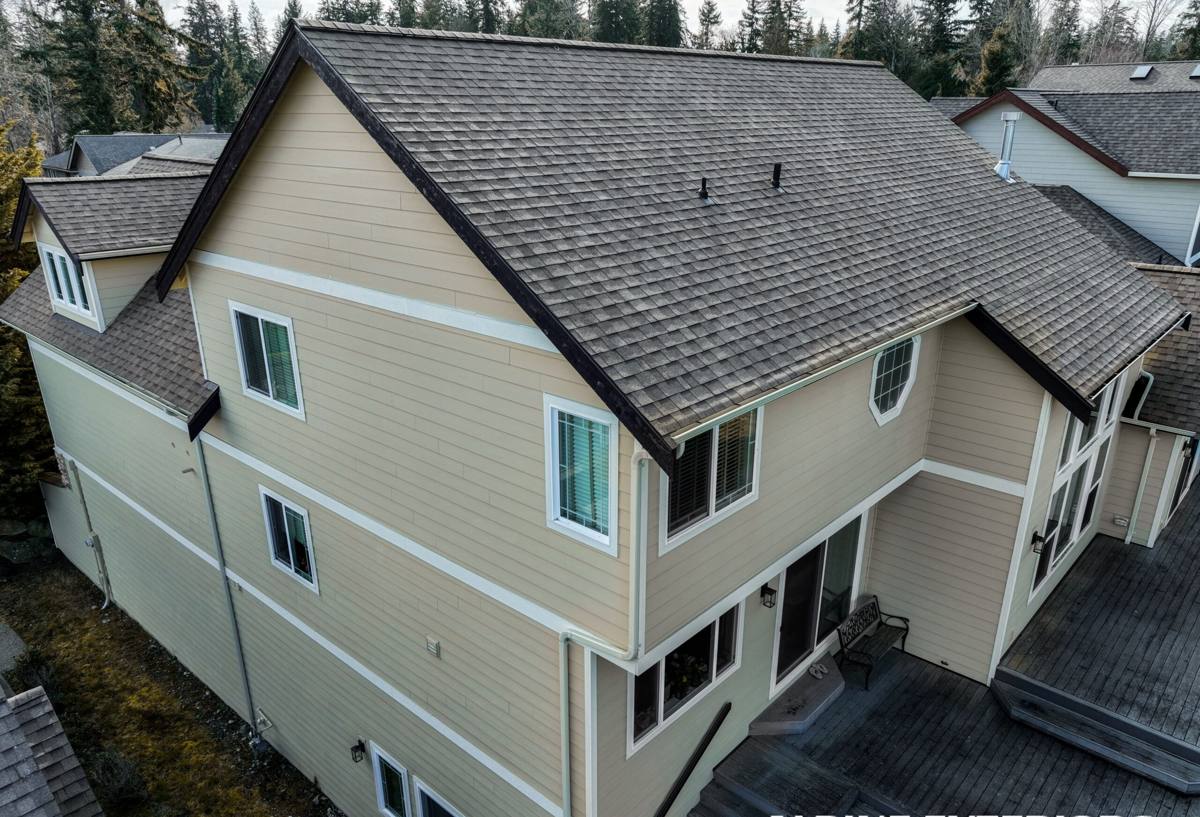
Common Signs Your Deck Needs Repair, Not Just a Refinish
Homeowners often assume a tired-looking deck just needs to be cleaned and restained. Sometimes that's true. Other times, the surface problems are hiding something more serious underneath. Here's what we look for during an inspection:
- Boards that feel spongy, bounce, or flex noticeably when walked on
- Visible splitting, cupping, or checking (long surface cracks) in the decking boards
- Rust staining around screw or nail heads, or fasteners that have backed out
- Soft, discolored, or crumbling wood at the ledger board where the deck attaches to the house
- Loose, wobbly, or leaning railings and posts
- Gaps or separation where stair stringers meet the deck frame
- Green or black staining (algae or mildew) that keeps returning shortly after cleaning
- Standing water or slow drainage after rain instead of water shedding off quickly
Any one of these can be a simple, contained repair. Several at once, especially involving the ledger board or main support posts, usually means the underlying frame needs attention before the deck is safe to keep using at full capacity.
Cosmetic Wear vs. Structural Damage
It's worth being clear about the difference, because it changes both the scope and the cost of the work. Cosmetic wear is surface-level: graying, minor cupping, small cracks, and coating failure that affect appearance but not the deck's ability to carry weight safely. Structural damage affects framing, connections, or load-bearing members — joists, beams, posts, footings, and the ledger board connection to the house. We treat these differently in every estimate, and we'll tell you plainly which category your deck falls into rather than upselling a full rebuild when a targeted repair will do the job.
What a Correct Deck Repair Actually Involves
A repair that only replaces what's visibly damaged on the surface often misses the cause. Salt air and moisture work on connections and framing before they show up in the decking boards themselves. A repair done right in this climate typically includes:
Frame and Structural Inspection
Before replacing a single board, we check the joists, beams, posts, and footings underneath. This is where most of the moisture damage actually lives, since water tends to collect and linger in the framing longer than it sits on the exposed decking surface above.
Ledger Board and Flashing
The ledger board — where the deck bolts into the house — is the single most common failure point on Florida decks, because it's a horizontal wood member sitting against the house wall where water naturally wants to collect. Proper flashing to divert water away from this connection is non-negotiable in our repairs, even if the original build skipped it.
Fasteners and Hardware
Standard galvanized fasteners corrode faster in salt-influenced air than they do further inland. We use coated or stainless-steel fasteners and hardware rated for coastal exposure, along with corrosion-resistant joist hangers and post connectors, so the repair doesn't just fail again in a couple of years.
Decking Boards and Railings
Damaged boards get replaced individually where possible, matched as closely as we can to the surrounding material, rather than defaulting to a full deck surface tear-off when it isn't needed. Railings and balusters are checked for proper spacing and secure attachment, since loosened railings are both a safety issue and one of the first things people notice.
Sealing and Protection
Once repairs are complete, exposed wood gets appropriately sealed or coated to slow down the next round of sun and moisture damage. This step gets skipped more often than it should, and it's a major reason similar repairs have to be redone within a year or two.
Common Mill Creek Deck Problems We See
| Problem | Likely Cause in This Climate | Typical Repair Approach |
|---|---|---|
| Cupped, split, or gray boards | Sustained UV exposure and repeated wet-dry cycling | Selective board replacement, sanding where feasible, refinishing |
| Soft or spongy decking near the house | Poor or missing ledger board flashing trapping moisture | Ledger repair or replacement with proper flashing detail |
| Rust-streaked fasteners, popped screws | Standard hardware corroding in salt-influenced air | Replace with coated or stainless coastal-rated fasteners |
| Loose or wobbly railings | Wood shrink/swell cycles loosening post connections | Re-secure or replace posts and connection hardware |
| Recurring algae or mildew staining | High humidity and shaded, slow-drying areas | Clean, improve drainage/airflow where possible, reseal |
| Frame flex or bounce underfoot | Weakened joists or beams from long-term moisture exposure | Sister or replace affected framing members |
Wood vs. Composite: Repair Considerations
Many Mill Creek decks are pressure-treated wood, though we also repair composite and PVC decking. The right repair approach differs depending on material, and it affects both what we recommend and how long the repair should last.
| Factor | Pressure-Treated Wood | Composite / PVC Decking |
|---|---|---|
| Typical repair cost | Generally lower per board | Often higher; boards can be pricier and less commonly stocked in exact matches |
| Sun and heat behavior | Can cup, gray, and split with UV exposure | Resists cupping and splitting; some products can fade or heat up more underfoot |
| Moisture response | Absorbs and releases moisture; needs sealing to slow decay | Doesn't absorb water the same way, but core framing beneath it still can |
| Maintenance going forward | Periodic cleaning, sealing, and inspection | Lower surface maintenance; framing below still needs the same inspection |
| Matching existing material | Usually straightforward with standard lumber | Depends on whether the original board line and color are still available |
One point that applies regardless of decking material: composite and PVC boards sit on the same wood framing underneath in the vast majority of homes. A composite deck with a perfectly good surface can still have a rotting joist or a failing ledger board hidden below it, which is why we inspect the frame on every repair job regardless of what the surface is made of.
Our Deck Repair Process
- On-site inspection. We walk the deck with you, check the surface, framing, ledger connection, and hardware, and point out exactly what we find — good and bad.
- Written estimate. You get a clear scope of work and price before anything is scheduled, with cosmetic and structural items separated so you understand what you're paying for.
- Repair work. We replace or sister damaged framing, correct flashing issues, swap in corrosion-resistant hardware, and replace decking boards or railings as needed.
- Sealing and finishing. Exposed or newly installed wood is sealed or coated appropriately so the repair holds up rather than starting to fail again right away.
- Final walkthrough. We check the work with you, confirm the deck is solid and safe, and answer any questions about care going forward.
Repair vs. Replace: How We Help You Decide
Not every deck problem calls for a full replacement, and we're not going to tell you it does just because a rebuild is more profitable. As a general rule, if the framing, posts, and footings are sound and the damage is limited to decking boards, railings, or isolated soft spots, repair is usually the right call and the more cost-effective one. If the ledger board, multiple joists, or the support posts are compromised, or if the deck is old enough that repair after repair is becoming the pattern, a full or partial rebuild often makes more financial sense over the next decade than continuing to patch a failing frame. We'll walk you through which situation you're in and why, in plain terms, before you commit to either path.
Permits and Codes for Deck Work in Manatee County
Deck repairs that involve structural elements — framing, footings, railings, or anything affecting the deck's load-bearing capacity — typically fall under local building code and permitting requirements, as they do throughout Manatee County. Purely cosmetic work, like refinishing or swapping a handful of surface boards without touching the structure, generally does not. Requirements can vary depending on the scope and age of the existing structure, so we handle the determination and any necessary permitting as part of the job rather than leaving you to figure it out. Working with a crew that pulls permits when required also protects you if you ever sell the home, since undocumented structural work can complicate a real estate transaction later.
Why Hire a Crew That Already Works in Mill Creek
Deck repair in a coastal Florida climate is a different trade than deck repair somewhere with four mild seasons. A contractor who works Mill Creek and the surrounding Bradenton area regularly already knows which hardware holds up to salt air, which framing details tend to fail first in local conditions, and roughly how a given deck's age and construction style is likely to have weathered. That local pattern recognition shortens the inspection, sharpens the estimate, and reduces the chance of a repair that looks right on day one but fails again within a season or two. It also means a shorter drive for us, which matters when a deck problem is a safety concern and you don't want to wait weeks for someone to show up.
Keeping Your Deck in Good Shape After the Repair
A repaired deck still needs some basic seasonal attention to get its full lifespan out of it in this climate. A little consistency goes a long way:
- Rinse off pollen, salt film, and debris every few weeks, more often near the coast
- Keep an eye on fastener heads and railings for early signs of loosening or corrosion
- Reapply sealant or finish on wood decking on the schedule recommended for your specific product
- Trim back vegetation that keeps sections of the deck shaded and slow to dry
- Check under the deck after major storms for standing water or debris buildup against framing
- Address small issues — a loose board, a rust spot on a fastener — before they spread
If you're noticing any of the warning signs above, or it's simply been a while since your deck had a proper structural look-over, we're happy to come take a look. The estimate is free, there's no pressure to move forward, and you'll walk away knowing exactly what condition your deck is really in.