 Bradenton Siding
 Roof Repair for Cortez, a Waterfront Community With Its Own Set of Problems
Cortez sits close to the water on Sarasota Bay, and that location shapes what a roof needs here more than almost anywhere else in Manatee County. Homes just a few blocks inland from the bay deal with a different aging pattern than homes ten miles east — the salt air moves through metal fasteners, flashing, and vents faster, humidity sits heavier against the underlayment, and the wind coming off open water hits roof edges and ridges harder during storms. A roof repair in Cortez isn't just a smaller version of a roof repair anywhere else in Bradenton. It has to account for corrosion, moisture, and wind exposure working together instead of one at a time.
This page covers roof repair specifically for Cortez homes — what tends to fail here, what a correct repair actually involves, and how our process works when we come out to look at your roof.
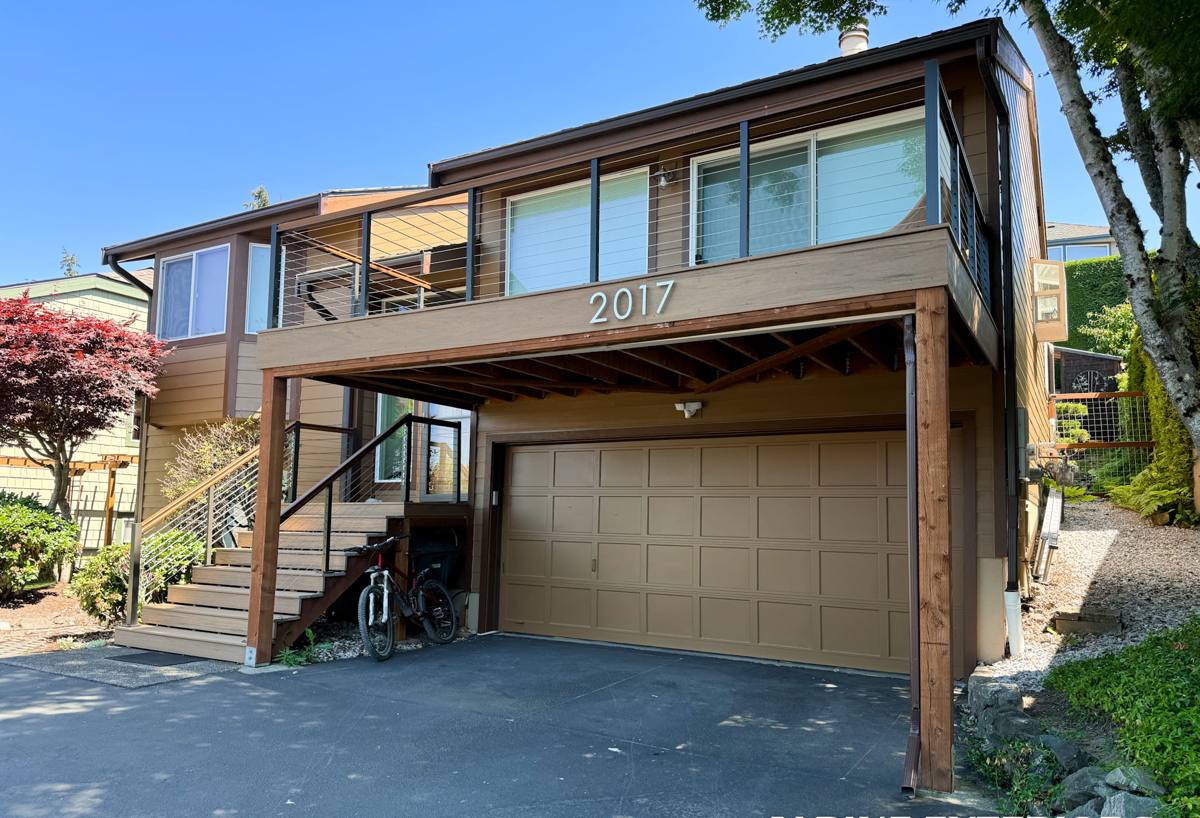
What Bradenton's Climate Does to a Cortez Roof
Every roof in Manatee County deals with heat, sun, and rain. Cortez roofs deal with all of that plus salt-laden air off the bay, which speeds up corrosion on anything metal — nails, flashing, drip edge, vent boots with metal collars. A few specific factors matter most for repair work in this area:
- Hurricane-force wind exposure: Cortez's proximity to open water means roofs here can see stronger sustained wind and gusts during tropical systems than homes further inland, which stresses ridge caps, hip lines, and shingle edges first.
- Year-round UV load: Florida sun breaks down asphalt shingle granules and dries out sealant strips over time, regardless of storms — this is a slow, constant wear factor, not a one-time event.
- Wind-driven rain: Rain that comes in sideways during storms gets pushed up under shingle tabs and around flashing in ways straight-down rain never would, which is why flashing and underlayment condition matter as much as the shingles themselves.
- Salt air corrosion: Metal components near the coast corrode faster than the same materials would inland — this affects fasteners, flashing, and any exposed metal roofing edges.
None of these factors act alone. A roof with wind-loosened shingles and salt-corroded fasteners fails faster in the next storm than a roof with just one of those problems.
Why "It's Just a Small Leak" Rarely Stays Small
A small roof leak in Cortez's humid, coastal climate doesn't sit still while you decide whether to deal with it. Moisture that gets under a shingle or through a cracked flashing seam spreads along the underlayment and decking, often showing up as a stain well away from the actual entry point. The longer that moisture sits, the more it affects the wood decking underneath — and decking repair costs more than shingle or flashing repair every time.
Common Roof Problems We Find on Cortez Homes
Every roof is different, but certain issues show up consistently on homes in this part of Bradenton:
- Lifted or missing shingles along ridges and roof edges, where wind uplift hits hardest
- Cracked or deteriorated pipe boot flashing, especially rubber gaskets that dry out under constant UV exposure
- Corroded or loosened metal flashing around chimneys, walls, and roof-to-wall transitions
- Granule loss on aging asphalt shingles, which leaves the shingle underneath exposed to UV and moisture
- Nail pops and loosened fasteners, sometimes from age and sometimes from corrosion weakening the fastener itself
- Soft or discolored decking visible from the attic, indicating a slow leak that's been running longer than the homeowner realized
What a Correct Roof Repair Actually Involves
A roof repair done right isn't just patching the spot where water is showing up inside the house. It starts with figuring out where the water is actually getting in, which is often several feet away from the visible stain, and then addressing that entry point along with anything nearby that's likely to fail next.
Diagnosis Before Repair
Water travels along the roof deck and rafters before it drips down into a room, so tracing a leak means checking the attic (if accessible), the roof surface, and the flashing points uphill from where the stain shows up — not just patching the ceiling location. This step gets skipped by contractors trying to move fast, and it's the single biggest reason repairs fail to hold.
Matching Materials, Not Just Covering the Spot
Shingles fade and wear unevenly over time, so a patch using mismatched shingles or the wrong flashing metal can look wrong and, more importantly, can behave differently than the surrounding roof under wind and rain. A proper repair uses compatible materials and ties new work into the existing roof system correctly — shingle courses woven in rather than just overlaid, flashing properly lapped rather than caulked over gaps.
Sealing, Not Just Covering
Caulk and roofing cement have their place, but they're not a substitute for proper flashing and shingle installation. A repair that relies mainly on sealant to keep water out is a repair that will need to be redone within a year or two, especially with the UV exposure this area gets.
Our Roof Repair Process
- Inspection: We look at the roof surface, flashing points, and — where accessible — the attic or decking from below to find the actual source of any leak or damage, not just the symptom.
- Written scope and honest recommendation: We tell you what we found, what needs repair versus what's just cosmetic, and give you a clear scope before any work starts. If a full replacement makes more sense than continued repairs, we'll say so.
- Repair: We replace damaged shingles, flashing, or decking as needed, matching materials to the existing roof system and following manufacturer installation specs, not shortcuts.
- Cleanup and check: We clear debris, check gutters near the repair area, and confirm the fix holds before we consider the job done.
Repair vs. Replacement: How We Help You Decide
Not every roof problem in Cortez needs a full replacement, and not every leak can be permanently solved with a patch. The table below outlines the general factors that tip the decision one way or the other — every roof is different, so this is a starting point for the conversation, not a diagnosis.
| Factor | Leans Toward Repair | Leans Toward Replacement |
|---|---|---|
| Roof age | Roof is well within its expected service life | Roof is near or past the manufacturer's expected lifespan |
| Damage extent | Isolated area — one section, one flashing point | Widespread granule loss, multiple failed areas, or repeated leaks in different spots |
| Decking condition | Decking is sound under the damaged area | Decking is soft, delaminated, or shows rot in multiple spots |
| Storm history | Recent isolated wind or debris damage | Cumulative wear from multiple storm seasons with no updates |
| Insurance situation | Damage doesn't meet claim thresholds | Storm damage supports a claim that covers most of a replacement |
Materials That Hold Up Near the Water
We don't push one roofing product as universally "best" — the right choice depends on your home, your budget, and how much maintenance you want to take on. What we do is tell you honestly how different options behave in a salt-air, high-wind environment like Cortez:
| Material | How It Performs in Cortez's Climate |
|---|---|
| Architectural asphalt shingles | Good wind resistance when properly rated and installed with the correct nailing pattern; UV and granule wear is the main long-term factor to watch |
| Metal roofing / flashing | Strong wind performance, but fasteners and cut edges need corrosion-resistant coatings and careful detailing near the coast to avoid premature rust |
| Tile roofing | Durable against UV and wind uplift when the underlayment and fasteners are in good condition; underlayment failure is usually the real issue, not the tile itself |
For repairs specifically, we match whatever your roof already has rather than mixing systems, since combining materials at a repair point often creates new points of failure.
Why a Crew That Already Works Cortez Matters
Roof repair in a waterfront neighborhood like Cortez benefits from knowing what's specific to this stretch of Bradenton — how far salt air travels inland from the bay, which flashing details tend to fail first on homes this close to open water, and what Manatee County's permitting and inspection process looks like for roof work. A crew that's worked other roofs in this area isn't guessing at what's causing a leak; they've usually seen the same failure pattern on a nearby home already.
Local familiarity also matters for materials and code compliance. Manatee County, like the rest of coastal Florida, has wind-resistance and installation standards tied to the state building code, and using the correct fastening pattern and materials isn't optional — it's what keeps a roof performing the way it's supposed to in the next storm.
Signs You Need a Roof Repair Now, Not Later
A lot of roof damage in Bradenton's climate doesn't announce itself with an obvious leak right away. Watch for these signs:
- Granules collecting in gutters or at the base of downspouts
- Visible curling, cracking, or lifted edges on shingles
- Dark streaks or stains on interior ceilings, especially near exterior walls or chimneys
- Rusted or visibly corroded flashing, vent boots, or exposed fasteners
- Daylight visible through the roof deck from inside the attic
- A musty smell in the attic or upper floors, which often points to trapped moisture
- Missing shingles or exposed underlayment after a storm, even a minor one
Any one of these on its own is worth a look. Several at once usually means the roof has been dealing with an issue for a while.
What to Expect From an Estimate
When we come out to look at a roof repair in Cortez, we walk the roof (weather and safety permitting), check flashing points and problem areas from the ground or ladder, and look at the attic if it's accessible. You'll get a straightforward explanation of what we found and what it will take to fix it — no pressure to sign anything on the spot, and no inflated scope to pad the job.
If you're dealing with a leak, storm damage, or just want a roof near the water checked out before the next season, we're happy to come take a look. The estimate is free, and there's no obligation — fill out the form below and we'll get in touch to schedule a time.