 Bradenton Siding
 Asphalt Shingle Roofing Built for Cortez's Coastal Conditions
Cortez sits about as close to the Gulf as a Manatee County neighborhood can get, and that proximity shapes everything about how a roof ages here. Homes in this historic fishing village take on a combination most inland Bradenton properties don't see in the same intensity: near-constant salt-laden air, wind-driven rain off the water, and direct, unfiltered sun for most of the year. Add Florida's hurricane season into that mix, and an asphalt shingle roof in Cortez is working harder than the same roof would be twenty minutes inland.
That doesn't mean asphalt shingles are the wrong choice for a home this close to the water. It means the installation has to account for the environment from the first nail to the last. A shingle roof done right for Cortez looks similar to one installed anywhere else in Bradenton, but the materials, fastening pattern, and detailing underneath are not the same job at all.
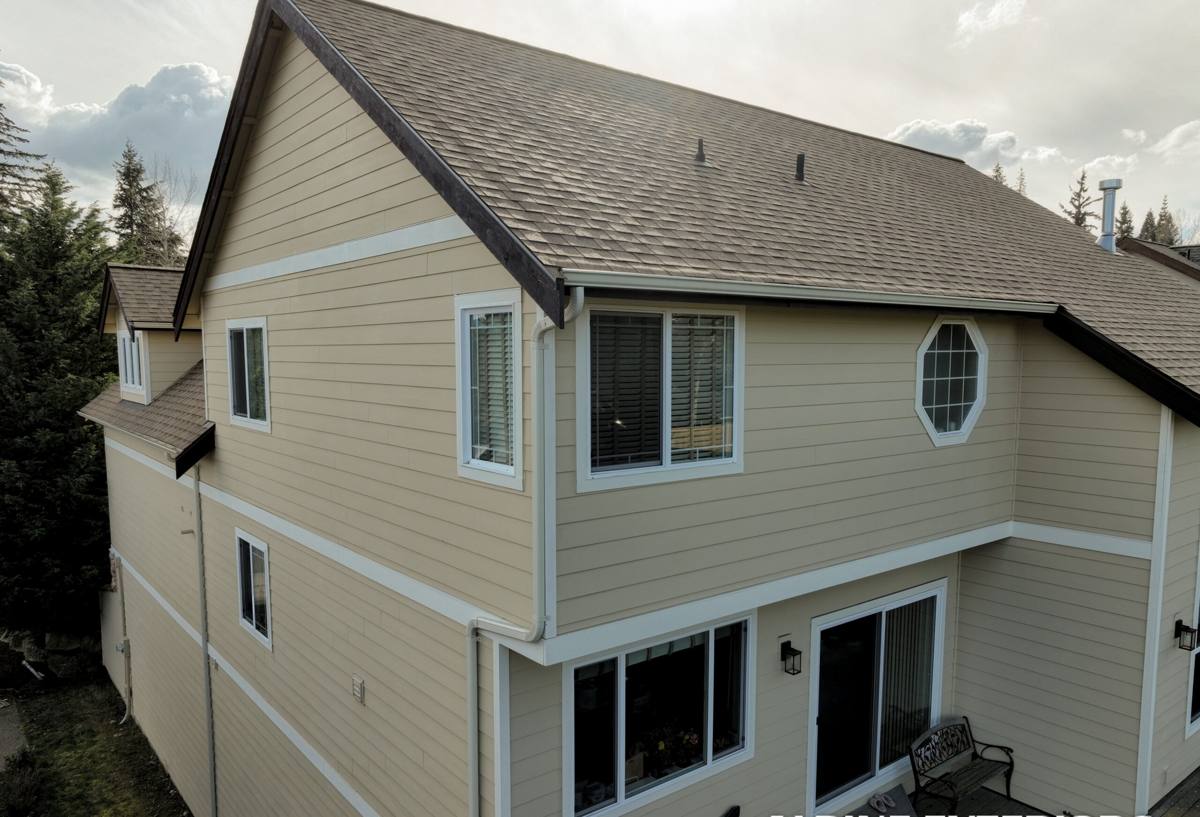
What the Local Climate Actually Does to a Shingle Roof
Wind and Wind-Driven Rain
Cortez's open exposure toward the Gulf means wind gusts arrive with less obstruction than they would further inland. During tropical systems, wind doesn't just pull at shingles from above — it drives rain sideways and up underneath tab edges and around flashing. A roof that isn't sealed and fastened correctly won't necessarily fail all at once; it often starts with a handful of lifted tabs or a leak at a penetration, and gets worse with each subsequent storm.
UV Exposure
Florida sun breaks down the asphalt and oils in a shingle over time, which is why granule loss and brittleness show up faster here than in cooler, less sunny climates. Shingles with a ceramic-coated granule layer resist this degradation better than economy-grade products.
Salt Air and Corrosion
This is the piece that's easy to overlook and the one that causes the most avoidable callbacks. Salt air corrodes standard fasteners, drip edge, and flashing faster than it would a few miles inland. Nails, flashing metal, and vent components all need to be rated for a coastal environment, not just whatever is standard stock for a typical inland reroof.
Humidity and Algae
Consistent moisture and warmth encourage algae growth on north-facing and shaded slopes. Algae-resistant shingles (built with copper-infused granules) hold their appearance longer in this kind of environment than standard shingles do.
What a Correct Installation Actually Involves
A shingle roof is only as good as what's underneath it and how it's attached. For a home in Cortez, we treat the following as standard, not upgrades:
- Wind-rated shingle products matched to the exposure of the specific roof, not just whatever is cheapest per square
- A full nailing pattern per manufacturer specification — typically six nails per shingle in higher-wind installations, placed in the manufacturer's nailing zone, not just "close enough"
- Self-adhering (peel-and-stick) underlayment at eaves, valleys, and penetrations as a secondary water barrier, so wind-driven rain that gets past the shingle layer still hits a sealed surface underneath
- Corrosion-resistant drip edge and flashing suited to salt air exposure, not standard galvanized stock that will show rust within a few years this close to the water
- Proper deck inspection and repair before anything goes back down — older Cortez homes in particular may have plank decking rather than plywood, which changes how fasteners hold
- Balanced attic ventilation (intake at the eaves, exhaust at the ridge) so heat and moisture don't shorten the shingle's life from underneath
- Sealed starter strip at eaves and rakes, which is one of the most common places we find shortcuts on older installations
None of this is exotic. It's the difference between a roof installed to code minimums and one installed to actually perform in this specific environment for its full expected service life.
Our Process, Start to Finish
- On-site inspection and honest assessment. We look at the existing roof, deck condition, ventilation, and flashing details before quoting anything, and we'll tell you plainly if repair is a reasonable option versus full replacement.
- Written estimate with real specifics. Shingle product, underlayment type, fastening pattern, and flashing plan — not just a single lump-sum number with no detail behind it.
- Tear-off and deck inspection. Old material comes off down to the deck so we can check for soft spots, rot, or damage that needs repair before new roofing goes down. Skipping this step is how leaks reappear a year or two later.
- Underlayment and flashing installation. Secondary water barrier at vulnerable areas, corrosion-resistant metal throughout.
- Shingle installation to manufacturer and code specification. Correct nail count, placement, and starter courses — the details that actually determine whether the roof holds up in wind.
- Final walkthrough and cleanup. Including a magnetic sweep for stray fasteners and a review of the workmanship warranty and manufacturer warranty paperwork.
Comparing Shingle Options for a Coastal Manatee County Home
| Shingle Type | Typical Wind Rating | Best Fit | Trade-Offs |
|---|---|---|---|
| 3-Tab (economy) | Lower end of rated range | Budget-driven projects, secondary structures | Shorter service life in high-UV, high-wind coastal exposure; less granule protection |
| Architectural / Laminate | Mid-to-high, varies by product | Most Cortez homes | Heavier, better wind performance, longer warranty, higher upfront cost than 3-tab |
| Impact-Rated Architectural | High, plus impact resistance rating | Homes prioritizing storm resilience and possible insurance credits | Highest material cost; check with your insurer on actual premium impact before assuming savings |
We don't push the most expensive option on every job — the right choice depends on the roof's exposure, your budget, and how long you plan to stay in the home. What we won't do is install a shingle system without the wind rating and fastening pattern to match Cortez's actual exposure, regardless of which product tier you choose.
Cost Factors Worth Understanding Before You Get Quotes
Every quote should account for the same handful of variables. Understanding them helps you compare estimates that otherwise look wildly different:
| Factor | Why It Matters |
|---|---|
| Roof pitch and complexity | Steeper roofs and more valleys/hips take longer and require more flashing detail |
| Number of existing layers | Tear-off of multiple layers costs more in labor and disposal than a single-layer removal |
| Deck condition | Rotted or damaged decking found during tear-off adds material and labor not visible in a surface estimate |
| Underlayment upgrade | Full peel-and-stick secondary water barrier costs more than standard synthetic underlayment but performs significantly better in wind-driven rain |
| Ventilation changes | Adding or correcting ridge/soffit ventilation is easiest to do during a full reroof |
| Access and site conditions | Landscaping, pool cages, and tight lot lines common in Cortez can affect staging and disposal logistics |
Why Hiring a Crew That Already Works in Cortez Matters
Roofing crews that primarily work inland don't always default to coastal-grade fasteners, upgraded underlayment, or the flashing details this environment calls for — not because the work is beyond them, but because it's not their daily habit. A crew that regularly works Cortez and the surrounding Bradenton waterfront knows to spec corrosion-resistant materials and a full wind-rated fastening pattern as the standard, not an upsell.
There's also the practical side: knowing how Manatee County and City of Bradenton permitting and inspection processes work for reroofs, and understanding the wind mitigation inspection form that can affect your homeowners insurance premium. A contractor unfamiliar with that paperwork can cost you a discount you're otherwise entitled to.
Questions to Ask Before You Hire
- Is the shingle product's wind rating actually adequate for this property's exposure?
- What nailing pattern will be used, and does it match the manufacturer's specification for wind warranty coverage?
- Will a secondary water barrier be installed at eaves, valleys, and penetrations?
- What flashing and fastener materials are being used, and are they rated for salt air exposure?
- Is the estimate itemized, or is it a single number with no material or labor breakdown?
- Will you complete the wind mitigation inspection form for my insurance carrier?
- What does the workmanship warranty cover, separate from the manufacturer's shingle warranty?
Signs a Cortez Roof Needs Attention Now
A few warning signs are worth acting on before they become an interior leak:
- Granules collecting in gutters or at downspout outlets
- Curling, cupping, or lifted shingle edges, especially after a windstorm
- Visible rust streaking on flashing or exposed fasteners
- Dark streaking or algae growth on shaded or north-facing slopes
- Soft spots noticeable when walking the attic, or daylight visible through the roof deck
- A roof that's approaching or past 15–20 years old and hasn't been reinspected recently
If you're weighing repair versus replacement, or just want a straight answer on where your current roof stands, we're glad to take a look. Fill out the form below for a free, no-pressure estimate — we'll walk the roof, tell you what we actually see, and give you options that fit your home and your budget.