 Bradenton Siding
 Siding Built for a Working Waterfront Village
Cortez sits right on the water in Manatee County, and that location is exactly why siding choice matters more here than almost anywhere else in the Bradenton area. Homes in this fishing village face salt-laden air blowing straight off Sarasota Bay and the Gulf, near-constant humidity, and the full force of tropical storms and hurricanes when they come through. A siding product that performs fine three miles inland can fail years early on a Cortez home. That's the reason we install James Hardie fiber cement siding exclusively, and it's the reason getting the installation details right matters just as much as the product itself.
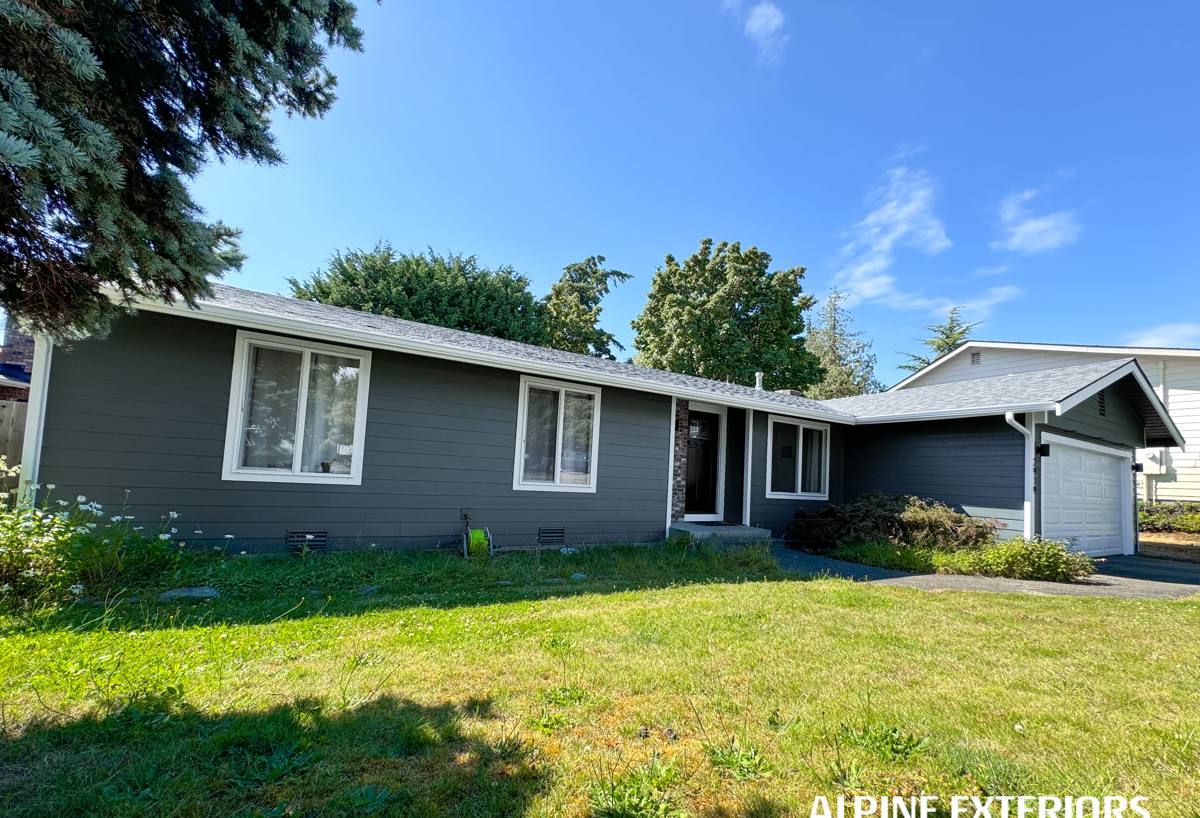
What Cortez's Climate Actually Does to Exterior Walls
Salt Air and Corrosion
Cortez's waterfront position means airborne salt is a daily fact of life, not an occasional storm event. Salt is hygroscopic — it pulls moisture out of the air and holds it against whatever surface it lands on. Over time that accelerates corrosion of fasteners and trim, breaks down cheap coatings, and keeps painted or coated surfaces damp longer than they'd stay in a drier inland neighborhood. Siding that isn't engineered for this kind of exposure tends to show fading, chalking, and edge deterioration well ahead of schedule.
UV Load
Florida sun is intense year-round, and a waterfront property like Cortez gets extra reflected UV off open water in addition to direct sun. Pigments and coatings that aren't formulated for this kind of exposure fade unevenly, and some siding materials (vinyl in particular) can soften, warp, or become brittle under sustained heat and UV.
Wind-Driven Rain and Storm Exposure
Cortez is exposed to wind-driven rain during summer storms and, when a hurricane tracks through the region, to sustained hurricane-force wind and rain pushed nearly horizontal. Water doesn't just fall on siding here — it gets forced sideways and upward into laps, seams, and fastener penetrations. Any weakness in flashing, caulking, or panel overlap becomes a moisture intrusion point during exactly the kind of event that does the most damage.
Humidity and Wood-Frame Homes
Cortez includes a mix of older cottage-style homes and newer construction, many built close to grade and near the water table. Constant humidity means anything behind the siding — sheathing, framing, house wrap — needs to stay dry and be able to release moisture that does get in. Siding that traps water against the wall assembly, rather than shedding it and allowing it to dry, causes rot problems that often aren't visible until they're serious.
Why We Install Only James Hardie Fiber Cement
James Hardie fiber cement is manufactured from cement, sand, and cellulose fibers — a composition that doesn't rot, doesn't support combustion, and isn't affected by insects. It doesn't warp or soften in heat the way vinyl can, and it holds paint and factory-applied finish far longer than wood-based products because the substrate itself is dimensionally stable. For a coastal, storm-exposed community like Cortez, that stability is the whole point: siding here needs to survive salt exposure, UV, humidity, and wind events for decades, not just look good for the first few years.
ColorPlus Technology
Hardie's ColorPlus factory finish is baked on under controlled conditions, which gives it better UV and fade resistance than field-applied paint, along with a warranty specifically covering the finish. That matters directly in Cortez, where reflected sun off the water adds to an already intense UV load.
Climate-Engineered Product Lines
James Hardie makes region-specific formulations (their HZ product lines) engineered for different climate zones. Homes in Manatee County's humid, coastal conditions call for the formulation built to handle moisture and humidity exposure, rather than a version engineered for a dry climate. Installing the correct HZ line for this region isn't a minor detail — it's part of what makes the product perform the way it's rated to.
What a Correct Installation Involves
Fiber cement siding is only as good as the installation behind it. Most of the siding failures we see on inspection weren't caused by the material — they were caused by shortcuts during installation that only show up years later, usually right around the next big storm.
- Proper clearance between siding and grade, decks, and roof lines so water can't wick up into the bottom edge
- Correct fastener type, spacing, and penetration depth — under- or over-driven fasteners are a leading cause of cracking and water entry
- Flashing installed at every window, door, and penetration, integrated with house wrap so water is directed out and down, not behind the siding
- Panel and lap gaps sized to Hardie's specification, with the right sealant at joints — not caulked shut in ways that trap moisture
- Field-cut edges primed or sealed per Hardie's install instructions, since a raw cut edge is a weak point for water absorption
- Corner and trim details built to shed water rather than collect it at inside corners
Every one of those steps is spelled out in James Hardie's installation manual, and cutting any of them shortens the life of the siding regardless of how good the product itself is.
Our Process for a Cortez Home
1. On-Site Assessment
We start by walking the exterior and checking for existing moisture damage, soft sheathing, and problem areas around windows, roof lines, and grade — all more common on waterfront lots where humidity and past storm exposure have had time to work on the structure.
2. Tear-Off and Substrate Check
Old siding comes off and we inspect what's underneath. Any compromised sheathing or framing gets addressed before new siding goes on — covering up a wet wall assembly with new siding just hides the problem.
3. House Wrap and Flashing
We install or verify a continuous weather-resistive barrier and flash every penetration before a single piece of Hardie siding goes up. This step is what actually keeps wind-driven rain out of the wall, not the siding surface itself.
4. Installation to Manufacturer Spec
Panels or planks go up using the correct fastener schedule, gaps, and clearances for our region's HZ product line, with attention to the corner and trim details that tend to fail first in coastal exposure.
5. Finish and Walkthrough
We check caulking, trim, and paint lines, then walk the property with the homeowner so they know what they're looking at and what (if anything) needs periodic attention.
Comparing Siding Options for a Coastal Manatee County Property
| Factor | James Hardie Fiber Cement | Vinyl | Wood / LP-Type Products |
|---|---|---|---|
| Salt air resistance | Engineered for it; factory finish holds up | Can become brittle over time in coastal heat/UV | Prone to moisture absorption at edges and seams |
| Wind rating | Rated for high-wind installation when installed to spec | Lower impact resistance; can crack or blow off in storms | Varies; moisture-weakened panels lose structural integrity |
| Fire performance | Non-combustible | Combustible | Combustible |
| Moisture/rot risk | Does not rot; won't absorb water into the substrate | Doesn't rot itself but traps moisture behind panels | Vulnerable to rot, especially at cut edges and joints |
| Finish longevity | Factory ColorPlus finish, long fade warranty | Color molded in but fades and chalks with UV/salt exposure | Field-applied paint needs more frequent recoating |
Signs Your Current Siding Is Failing in This Climate
- Soft or spongy spots when you press on the siding, especially near the bottom edge or window trim
- Visible warping, buckling, or panels pulling away from the wall
- Chalky residue or dramatic fading compared to when it was installed
- Peeling or bubbling paint, particularly on sun- and salt-exposed elevations facing the water
- Cracking at corners, seams, or around fasteners
- Musty smell or visible staining on interior walls near exterior siding
Why Local Experience in Cortez Matters
A crew that already works waterfront properties in this part of Manatee County knows what to check before starting — how close the home sits to grade, what past storm exposure typically does to sheathing in this area, and where flashing tends to get skipped on older installs. That local pattern recognition is what separates a siding job that lasts through the next decade of Gulf humidity and storm seasons from one that needs rework in five years. It also means we're familiar with the local permitting and inspection process for exterior work in this part of the county, so there are no surprises mid-project.
Get a Straight Answer for Your Home
If your Cortez home's siding is showing its age, or you're planning ahead of the next storm season, we're happy to take a look and give you a straightforward assessment — no pressure, no upsell to a product we don't stand behind. Fill out the form below for a free estimate on James Hardie siding built for the way this waterfront community actually lives with the weather.